Start with warp, weft and interlacing
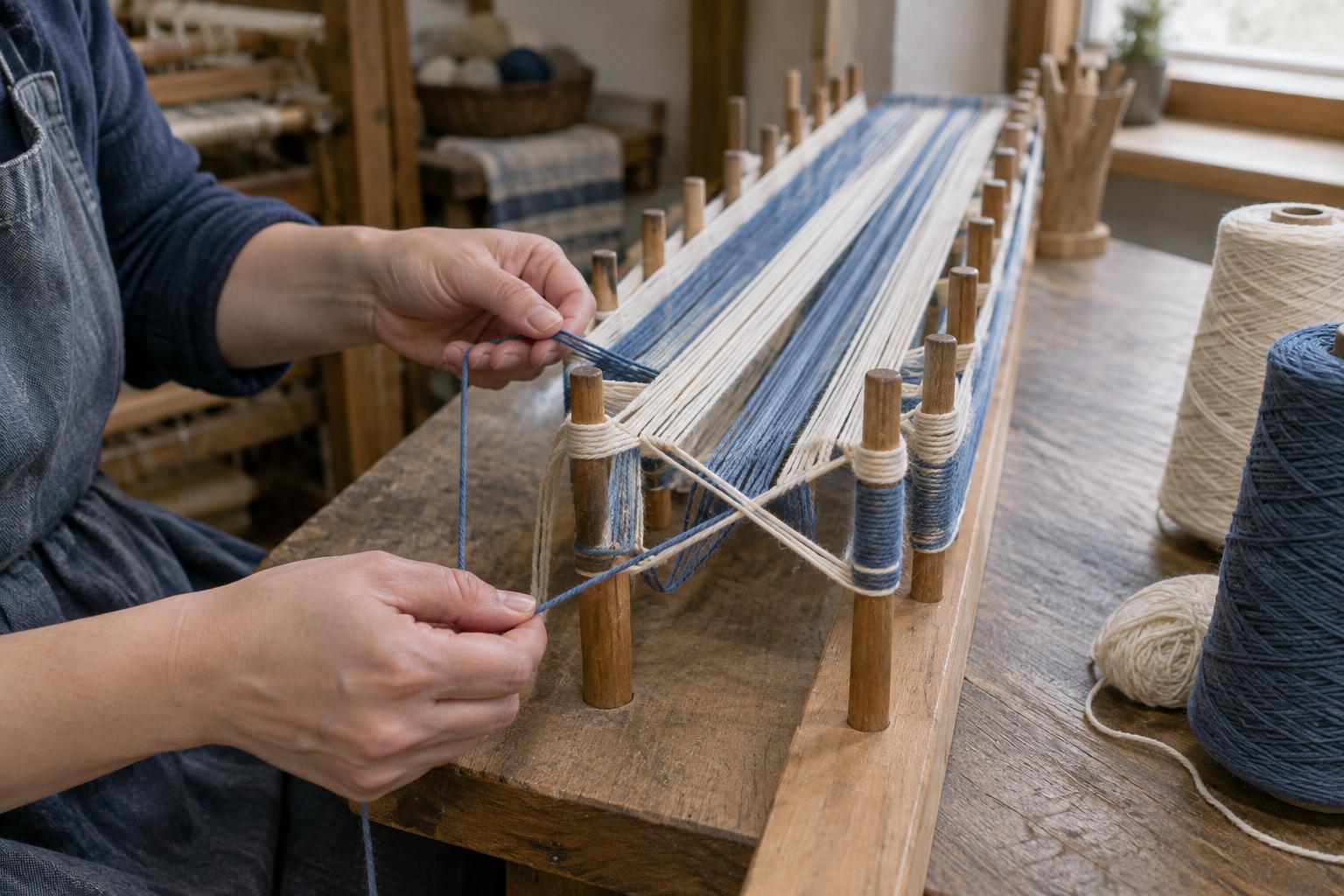
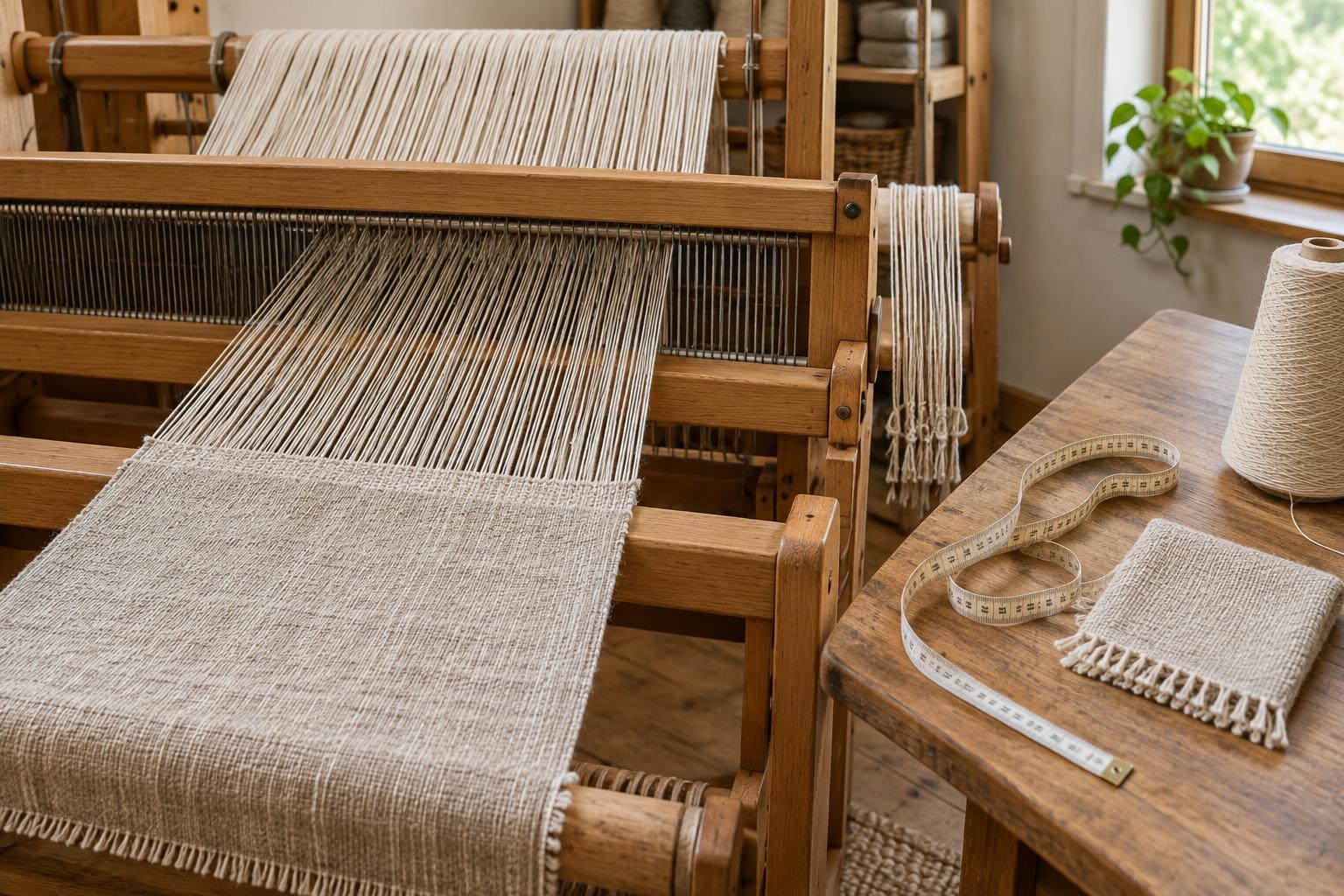
A woven fabric is built from two sets of threads. Warp threads run lengthwise on the loom, while weft threads pass across them. A weave describes the order in which those threads go over and under one another. Plain, twill and satin are three fundamental ways of arranging those crossings. They can be made with different fibres, thread sizes and densities, so a weave name alone cannot tell you exactly how a cloth will feel.
One useful term is float: a stretch where a thread passes over two or more threads in the other direction before going under one. The length and placement of floats help distinguish the three weaves. As you examine a fabric, look for the repeating pattern of crossings rather than relying only on its weight, shine or name on a label.
Plain weave: frequent, even crossings
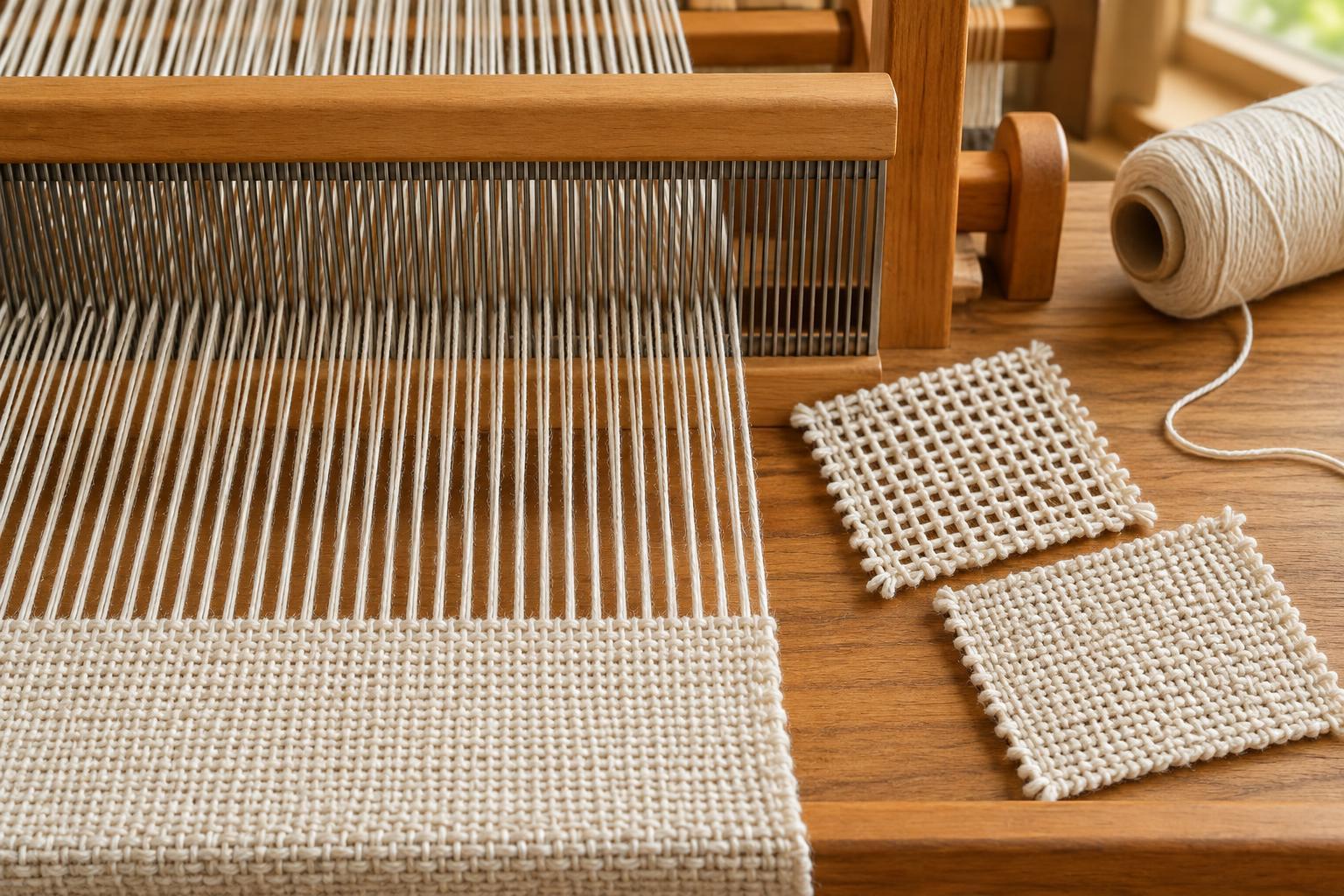
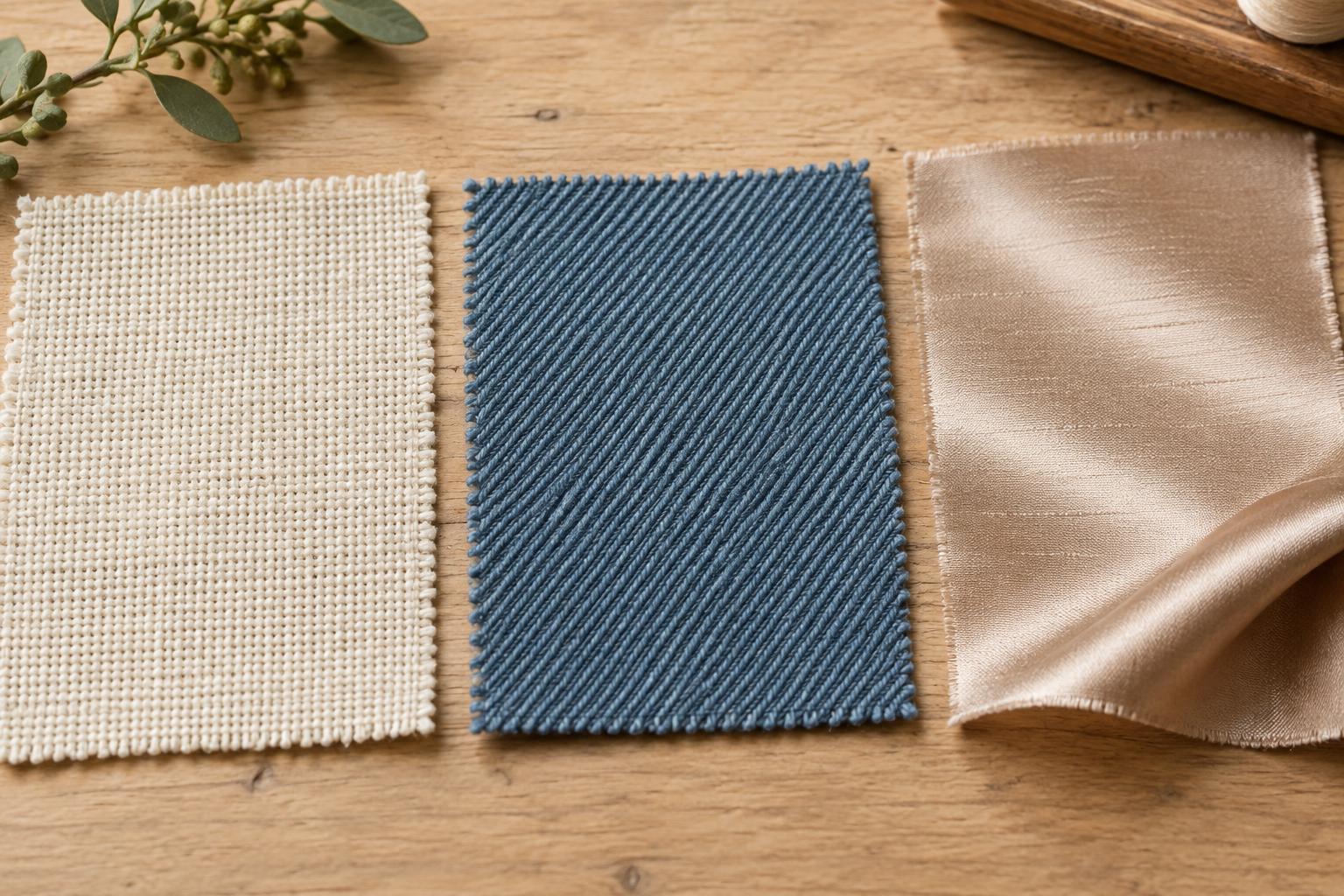
In a basic plain weave, each weft thread goes over one warp thread, then under the next. On the following row, that order reverses. The result is a regular, balanced-looking grid with many interlacings and no long floats. If the threads are spaced clearly enough to see, the tiny over-under pattern may be visible with the naked eye; a magnifier can help with finer cloth.
Frequent crossings help hold the threads in place, but they do not guarantee a stiff or durable fabric. A loosely woven plain-weave cloth may be light and airy, while one made with closely packed, substantial threads may feel firm. Differences in yarn, spacing and finishing can also make the surface smooth, crisp, soft or textured. Plain weave describes the structure, not a single finished appearance.
Twill weave: crossings that form diagonal lines
Twill repeats its crossings in a shifted sequence. For example, a weft thread might pass over two warp threads and under one, with the next row shifting that pattern by one thread. As the shifts repeat, they form diagonal ribs, often called wales. The diagonal is the quickest visual clue, though it can be subtle in fine cloth or beneath a pronounced surface finish.
Because twill usually has fewer crossings than plain weave, its threads have room to form short floats. That structure can give a fabric a more pliable hand, but the result depends on the threads and how densely they are woven. The direction and prominence of the diagonal can also vary. Rather than treating every diagonal-marked fabric as identical, trace a few rows to see whether the line comes from the repeating weave or from a patterned yarn or finish.
Satin weave: spaced crossings and longer floats
In a satin weave, the crossings are arranged so they are less conspicuous and do not line up into the obvious diagonals of a twill. Threads travel over several threads before interlacing, creating relatively long floats on the surface. When smooth threads are used, those floats can reflect light evenly and produce a lustrous face. Satin can be made from different fibres; the word names a weave structure rather than a fibre.
The reverse may look duller or show more of the other thread set. Long surface floats can also catch on rough edges, so a satin-weave cloth may need more care around jewellery, fasteners or abrasive surfaces. That is a structural tendency, not a rule for every satin: thread strength, float length and finishing all affect how a particular fabric wears.
How to compare a fabric in your hands
Begin in good light and look at a small, unprinted area. A plain weave shows an alternating grid; a twill shows crossings stepping into diagonal lines; a satin weave tends to show a smoother face with fewer obvious crossings. If the threads are too fine to distinguish, use a magnifier rather than guessing from sheen alone. Compare both faces, since the difference between them may offer another clue.
Then consider the fabric as a whole. Gently bend it to notice how it drapes, and check whether its surface floats seem likely to snag in the way you plan to use it. These observations can guide a choice, but they do not replace information about fibre, construction density and care. Learning the interlacing pattern gives you one reliable piece of a larger picture: how an object was made and how to handle it thoughtfully.