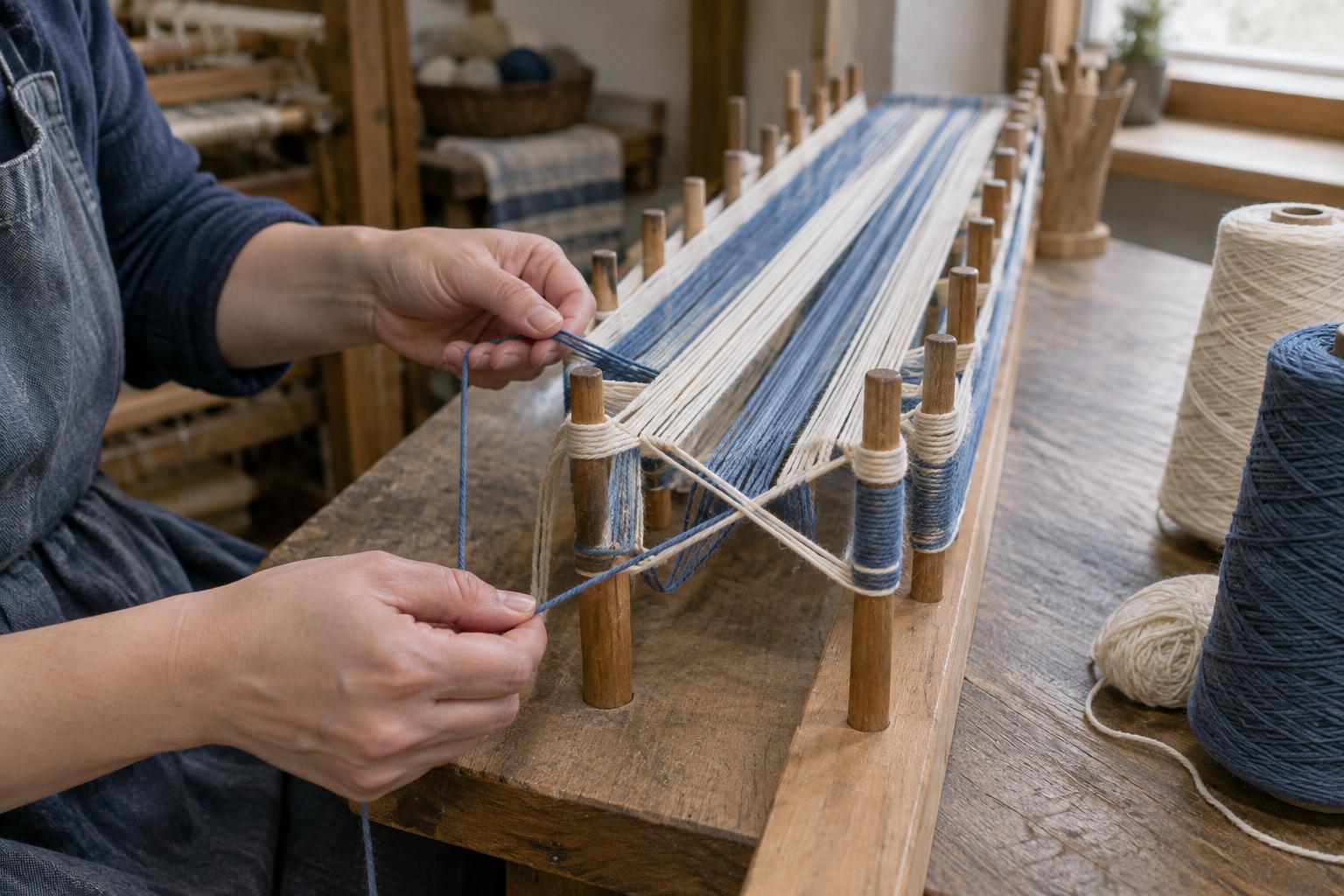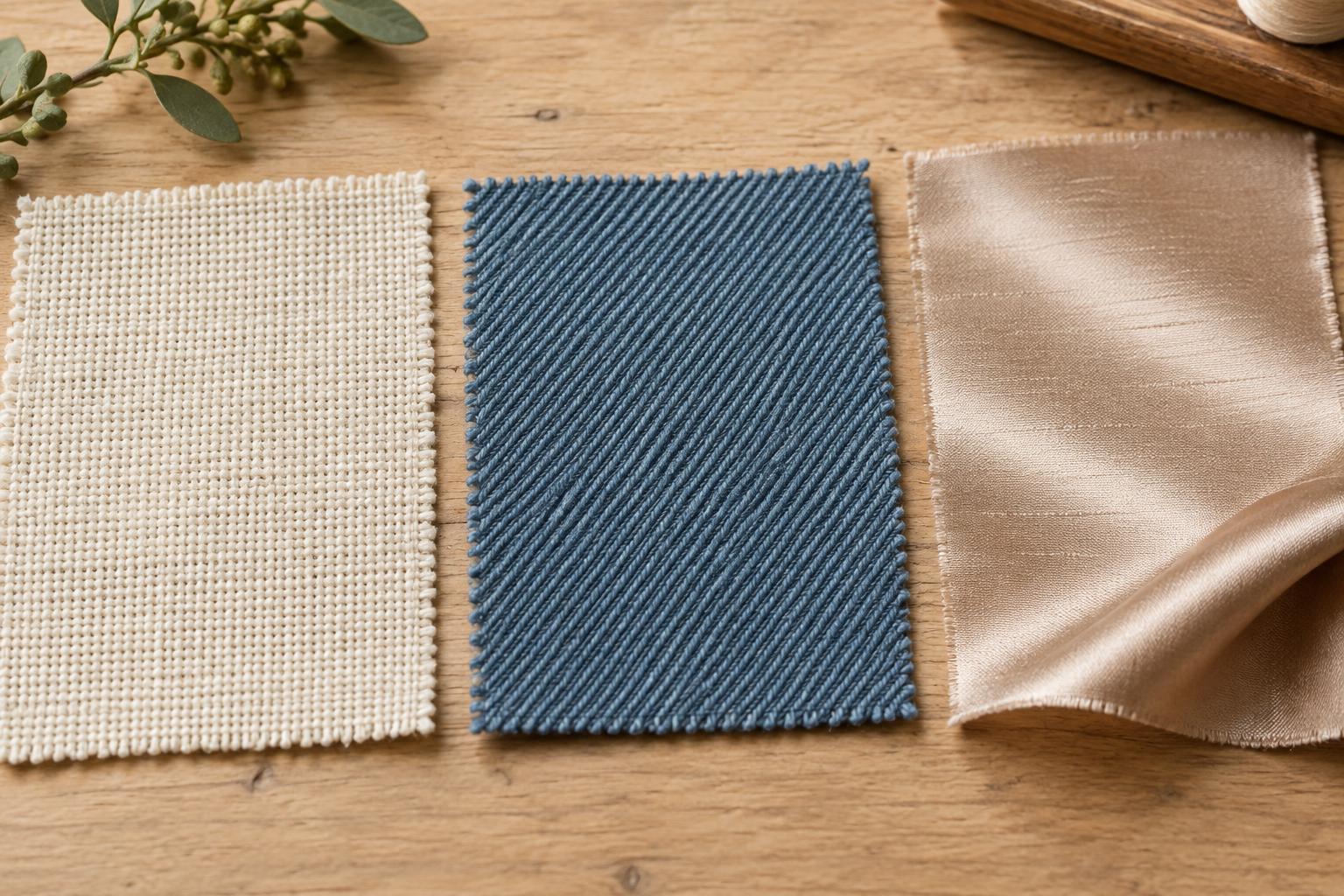
Textiles and WeavingPlain, twill and satin describe how warp and weft threads cross, not what the threads are made from. Learn to spot each structure and understand how its pattern affects the look and feel of a fabric.
Read article · 4 min↗
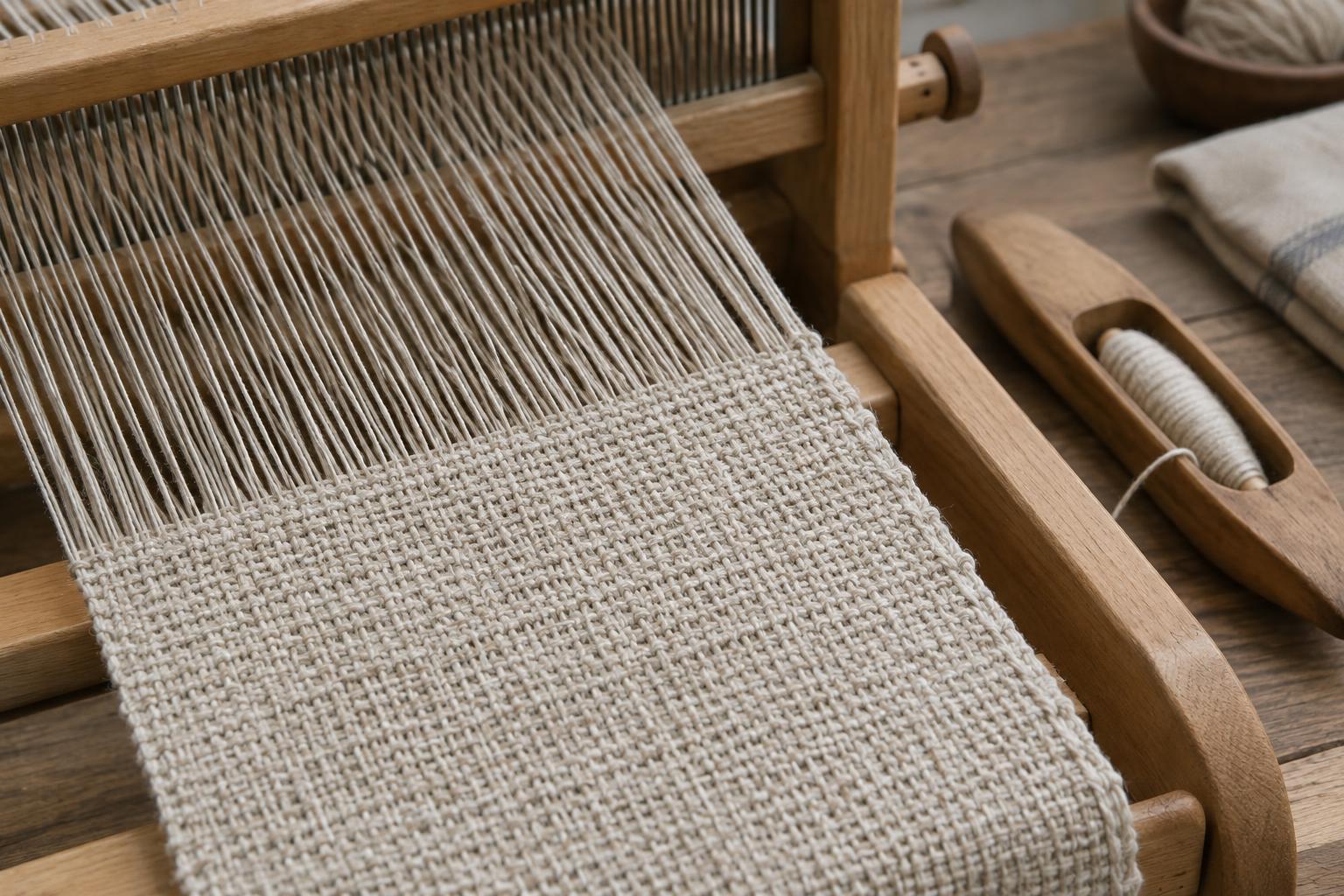
Textiles and WeavingLearn how lengthwise warp threads, crosswise weft threads and finished selvedge edges work together. These simple terms make it easier to understand a fabric’s structure, recognise construction details and handle woven cloth with care.
Read article · 4 min↗
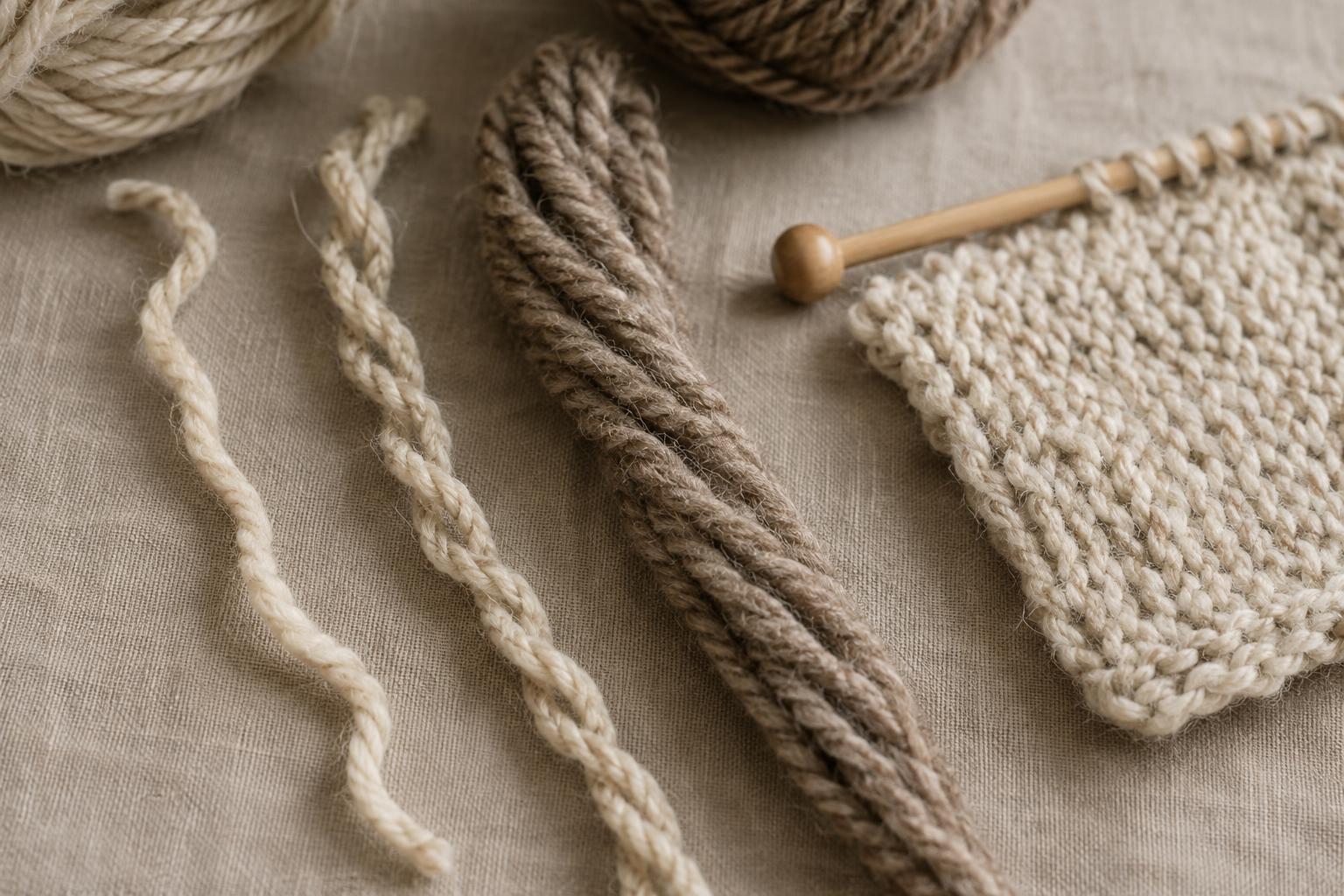
Textiles and WeavingThe way fibres are twisted into a strand, and strands are combined into yarn, affects how a textile feels and wears. Learn to recognise twist and ply, and use a simple swatch to see how a yarn behaves before making a larger piece.
Read article · 4 min↗
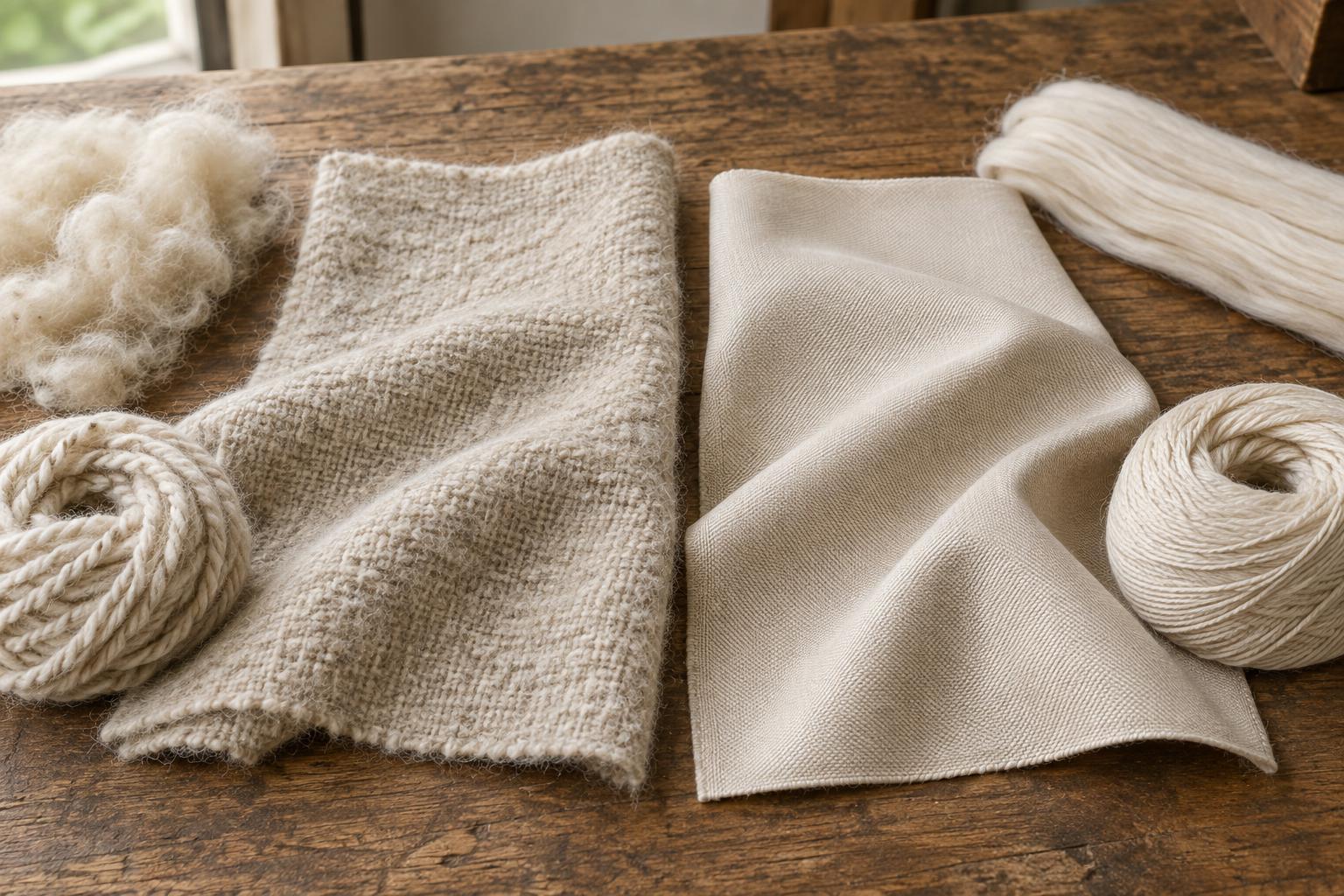
Textiles and WeavingWoollen and worsted describe two approaches to preparing and spinning fibres, not simply two kinds of wool. Learn how fibre arrangement affects a cloth’s texture, drape, warmth and wear, and what to look for when examining a finished textile.
Read article · 4 min↗
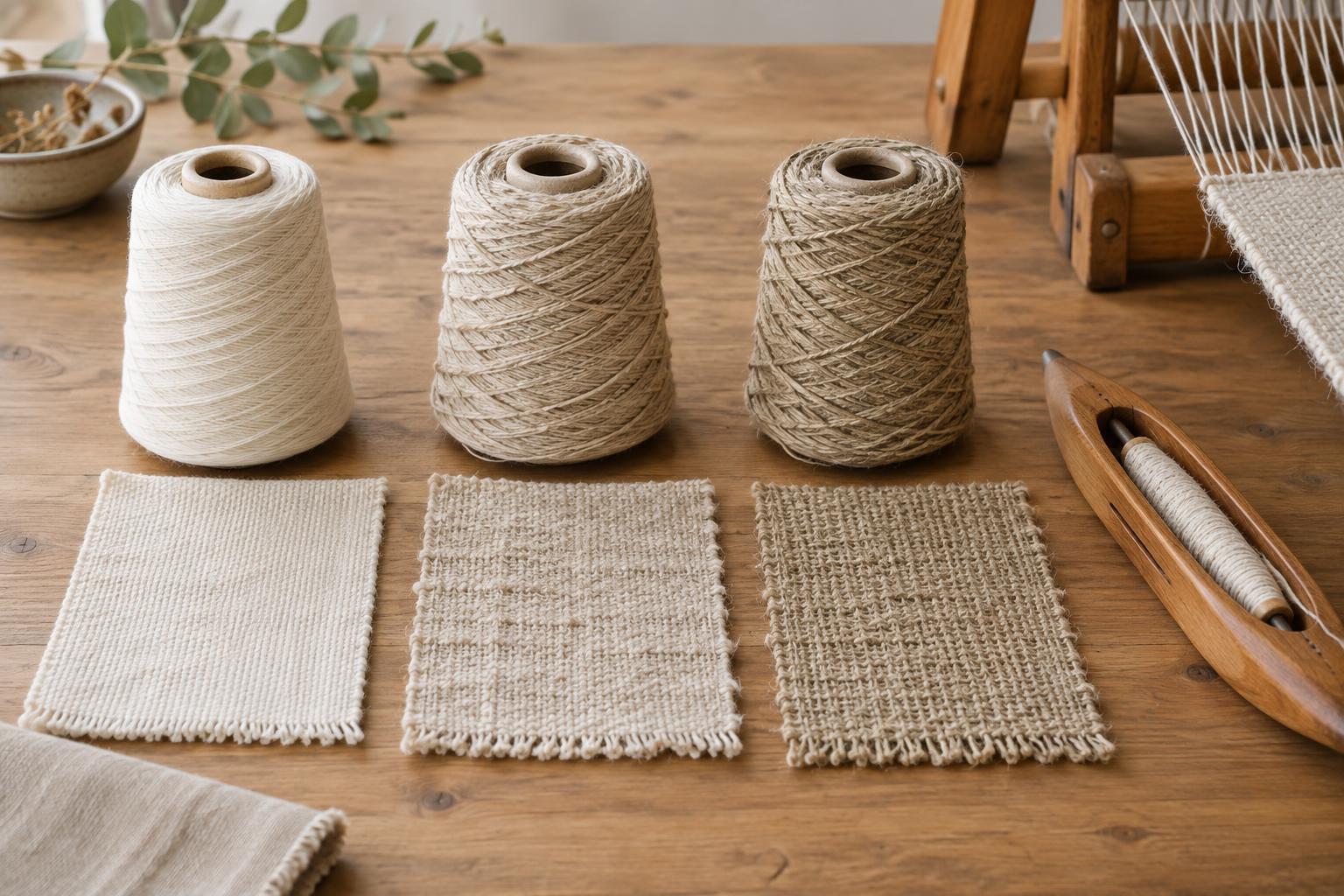
Textiles and WeavingCotton, linen and hemp can all make durable woven cloth, but their fibres behave differently on the loom and in the finished fabric. Learn how fibre length, yarn construction and finishing affect texture, drape and care.
Read article · 4 min↗
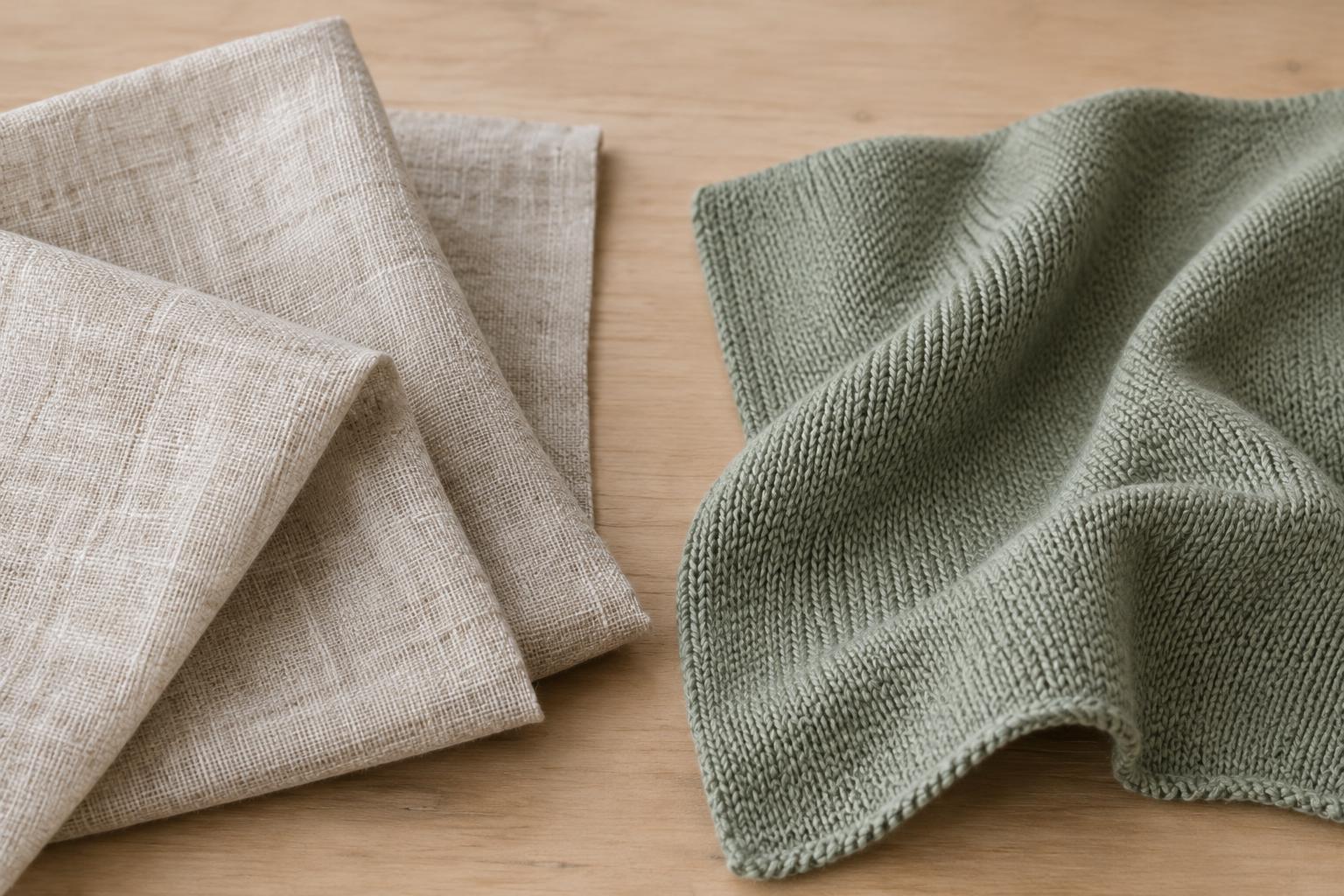
Textiles and WeavingWoven and knitted fabrics can feel very different even when made from similar fibres. Learn how interlaced yarns and connected loops affect stretch, movement and drape, and how to recognise each structure in an unfamiliar textile.
Read article · 4 min↗
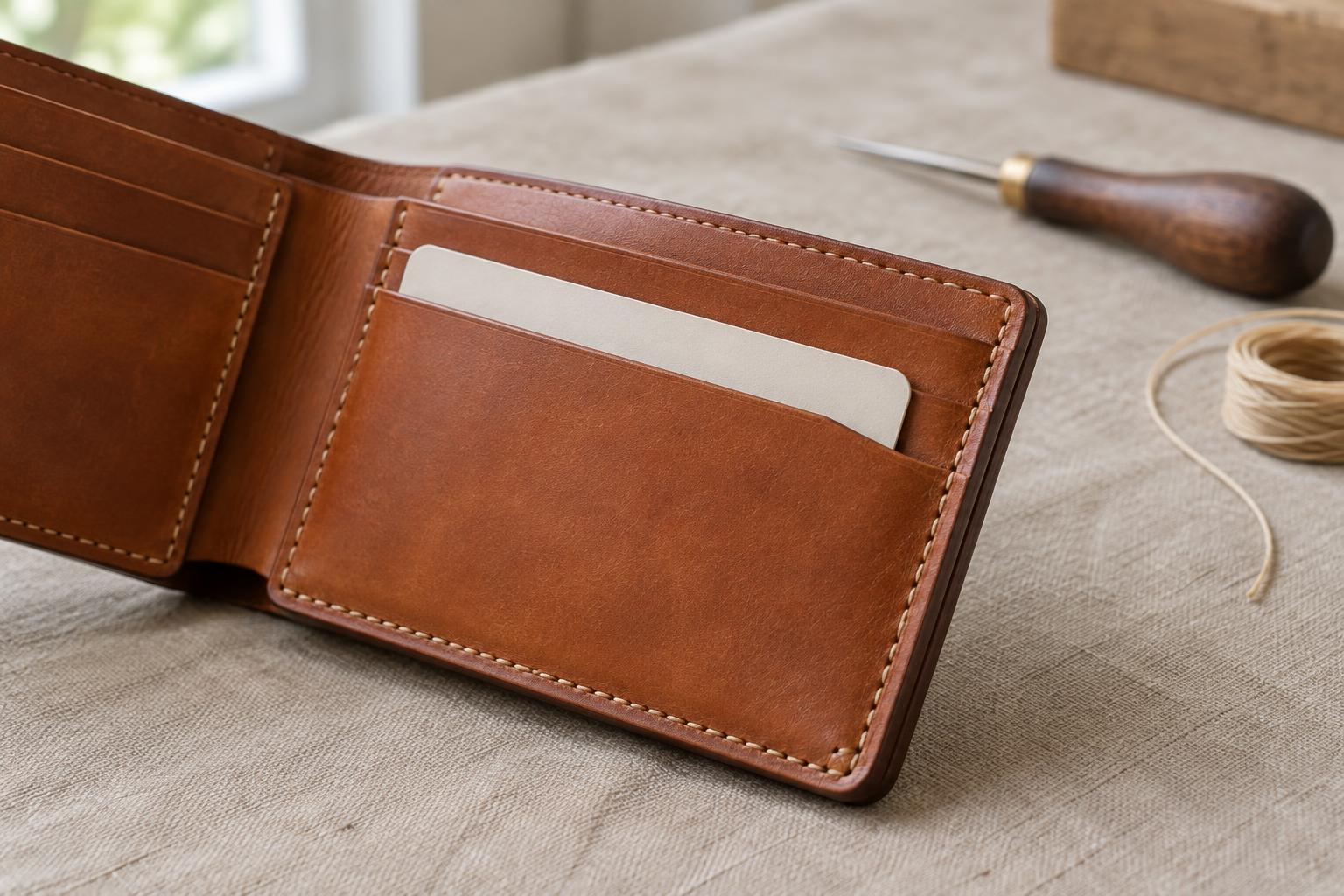
Leather and Small AccessoriesA close look at a wallet can tell you more than a description alone. Learn how to assess card pockets, stitching and finished edges, and how to decide whether the construction suits the way you carry it.
Read article · 4 min↗
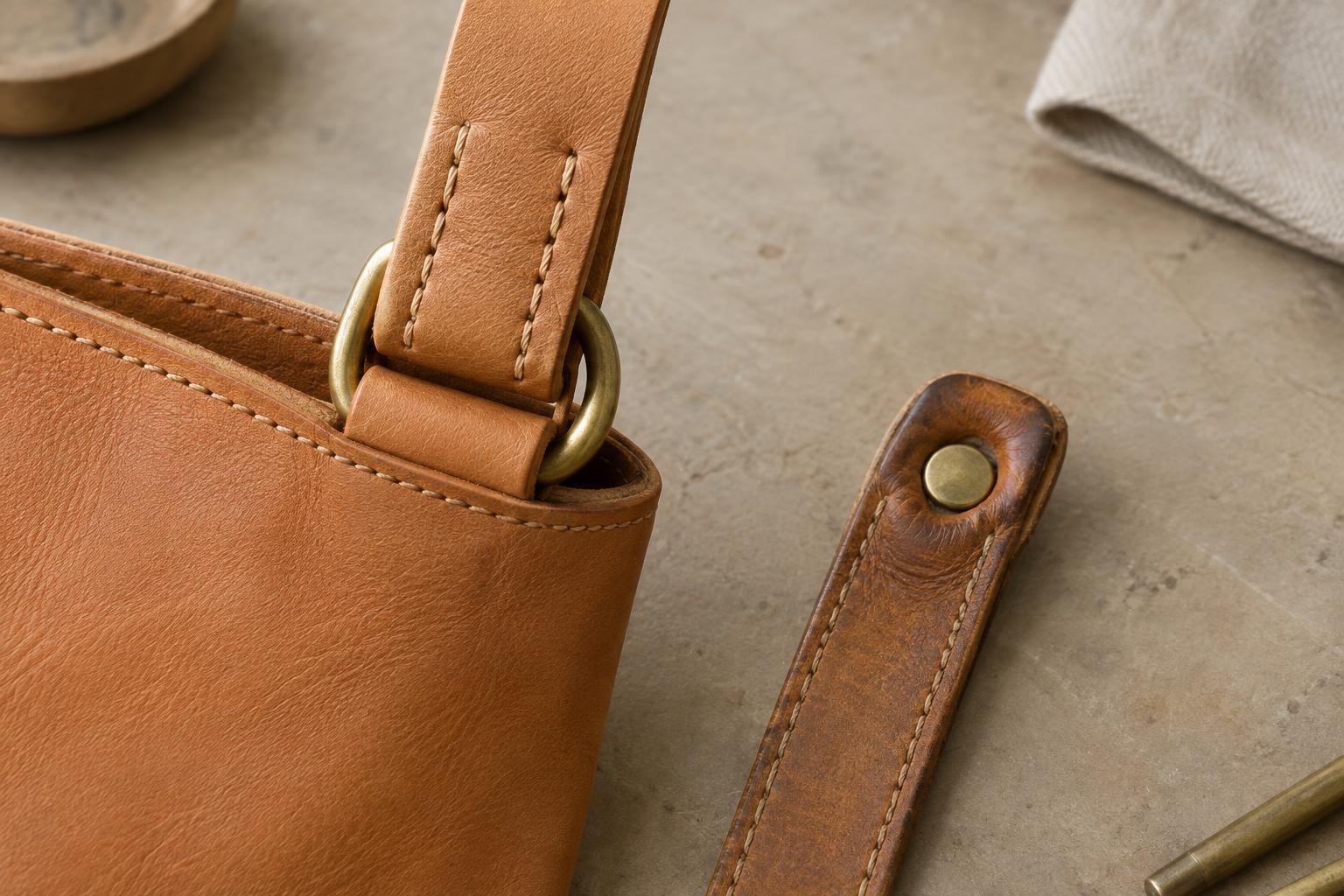
Leather and Small AccessoriesA leather strap may look sturdy along its length but still be vulnerable where it meets a buckle, ring or bag body. Learn how folds, stitching, rivets, hardware fit and everyday care affect these high-stress points.
Read article · 4 min↗
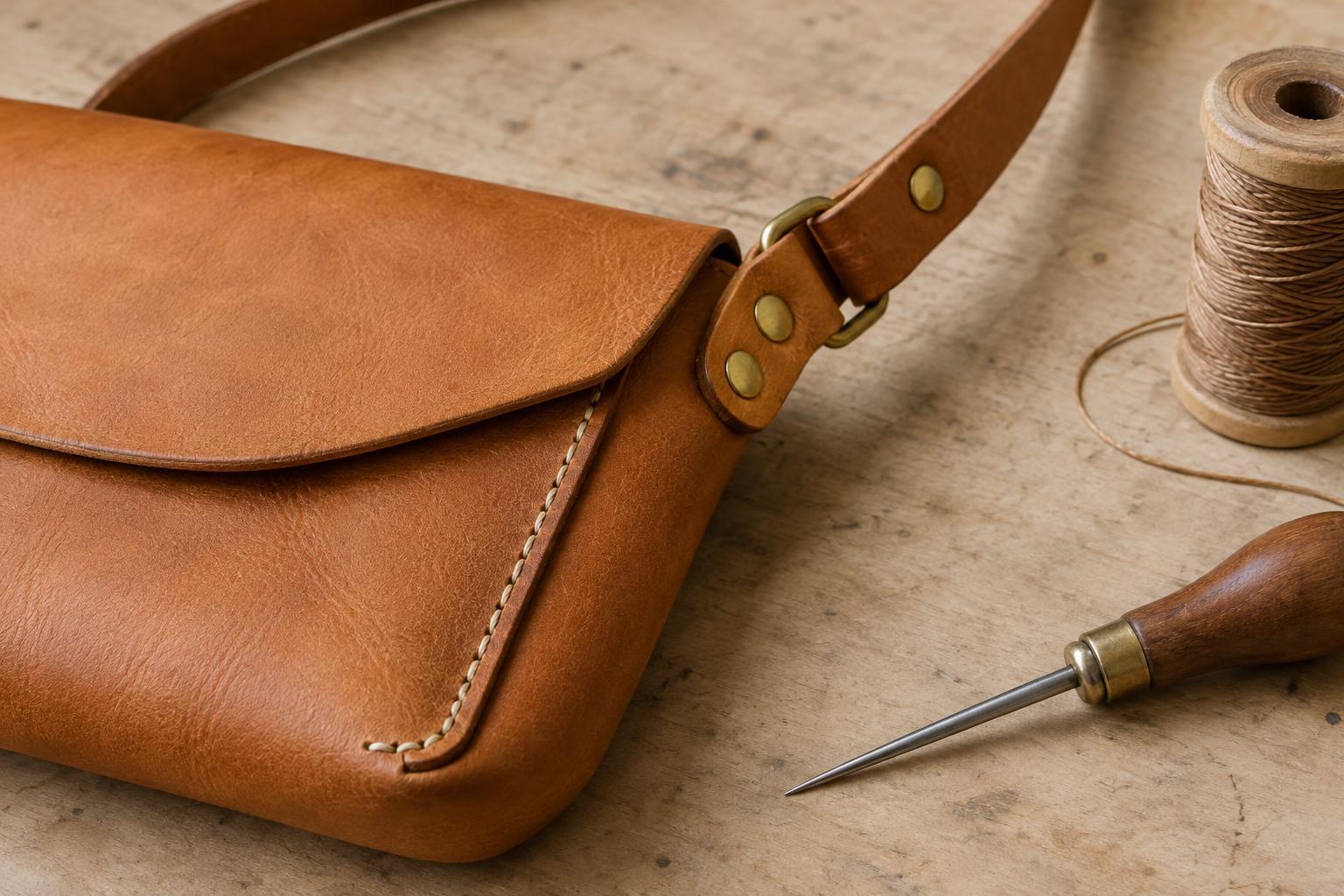
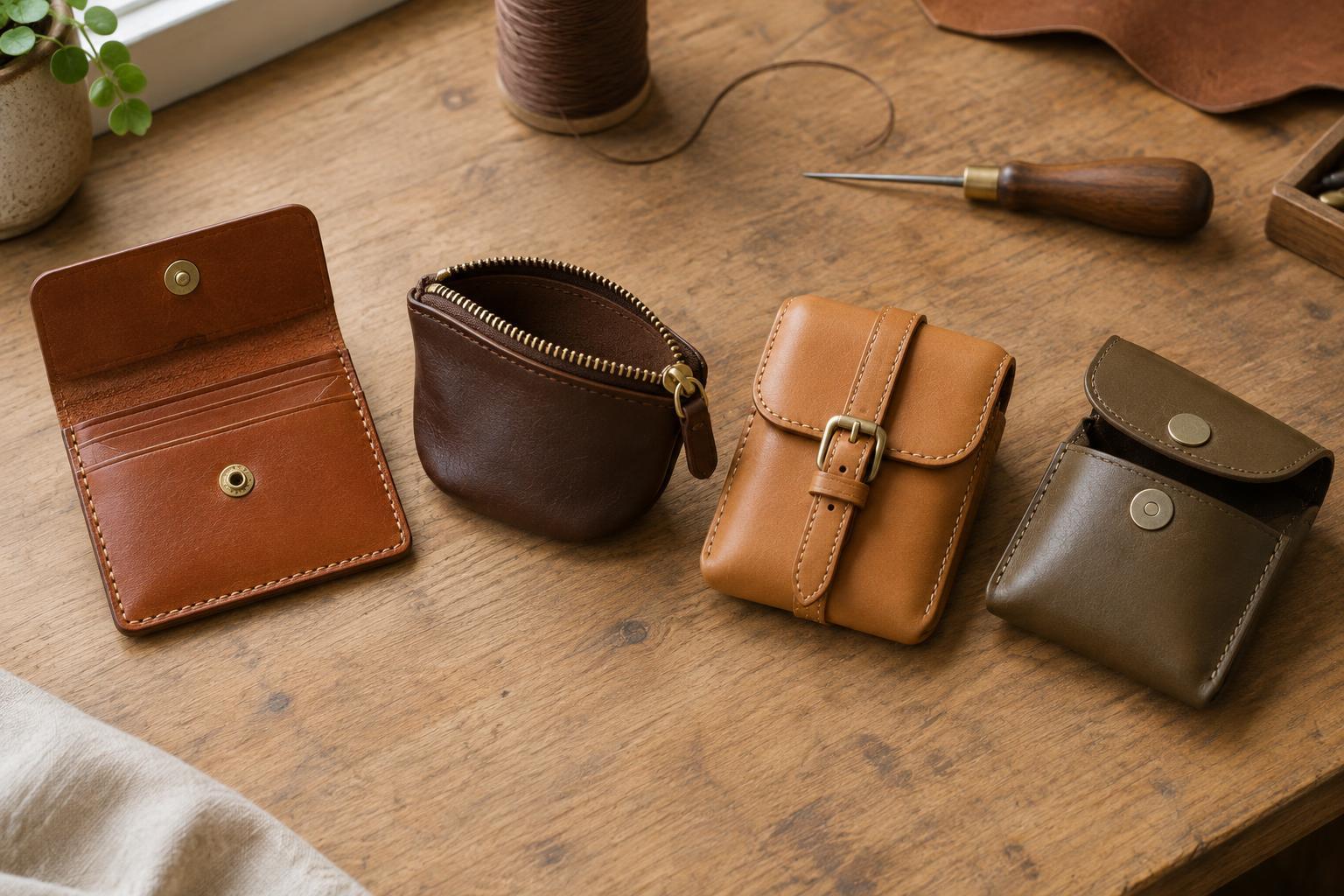
Leather and Small AccessoriesA closure affects how a leather accessory feels in the hand, how securely it carries its contents and how easily it can be repaired. Compare four common options and learn what to inspect before choosing one.
Read article · 4 min↗
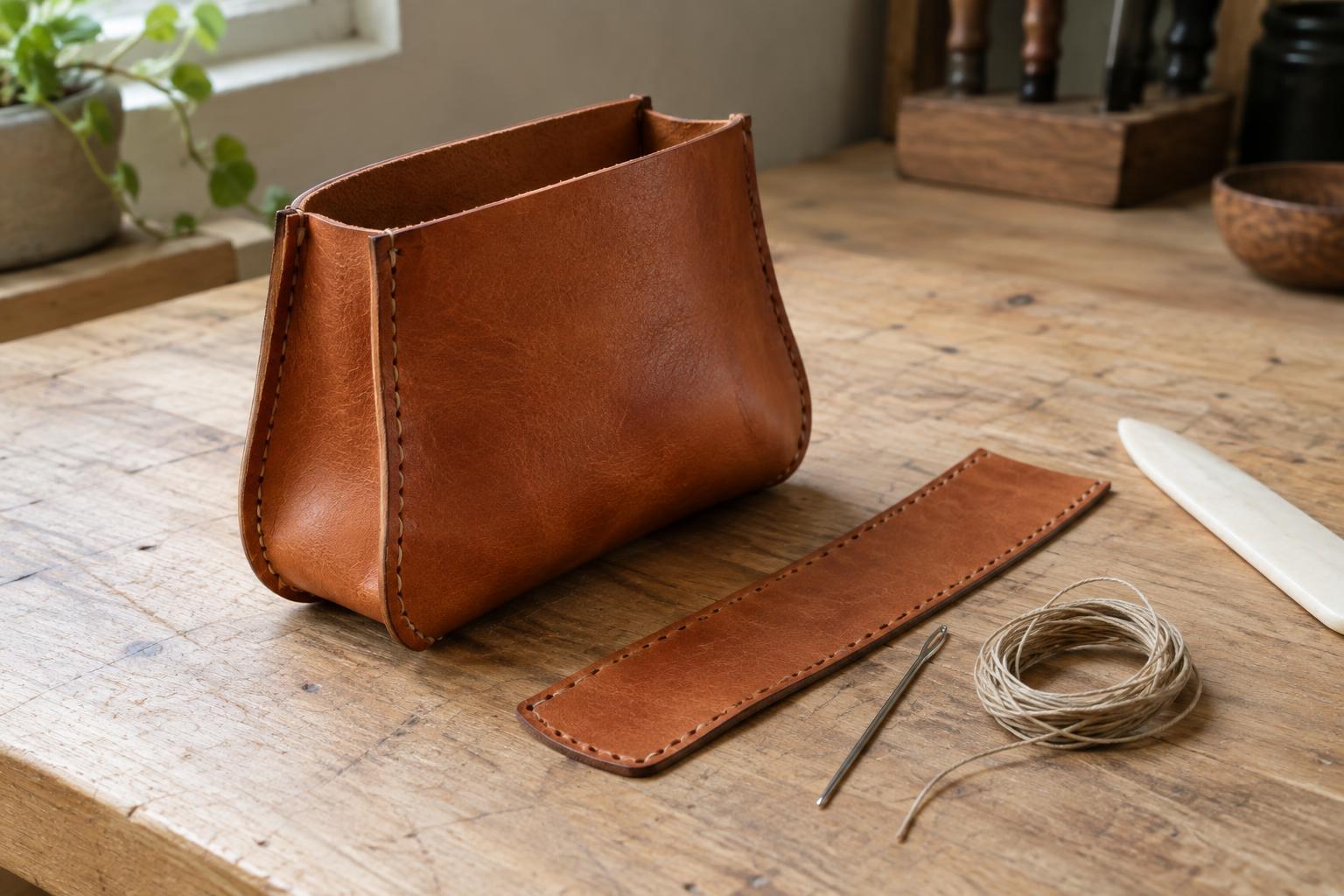
Leather and Small AccessoriesA flat pouch holds little beyond thin objects. Add a gusset, and its side panels let the front and back sit apart. Learn how to plan the shape, prepare the pieces, stitch the curves and check that the finished pouch opens as intended.
Read article · 4 min↗
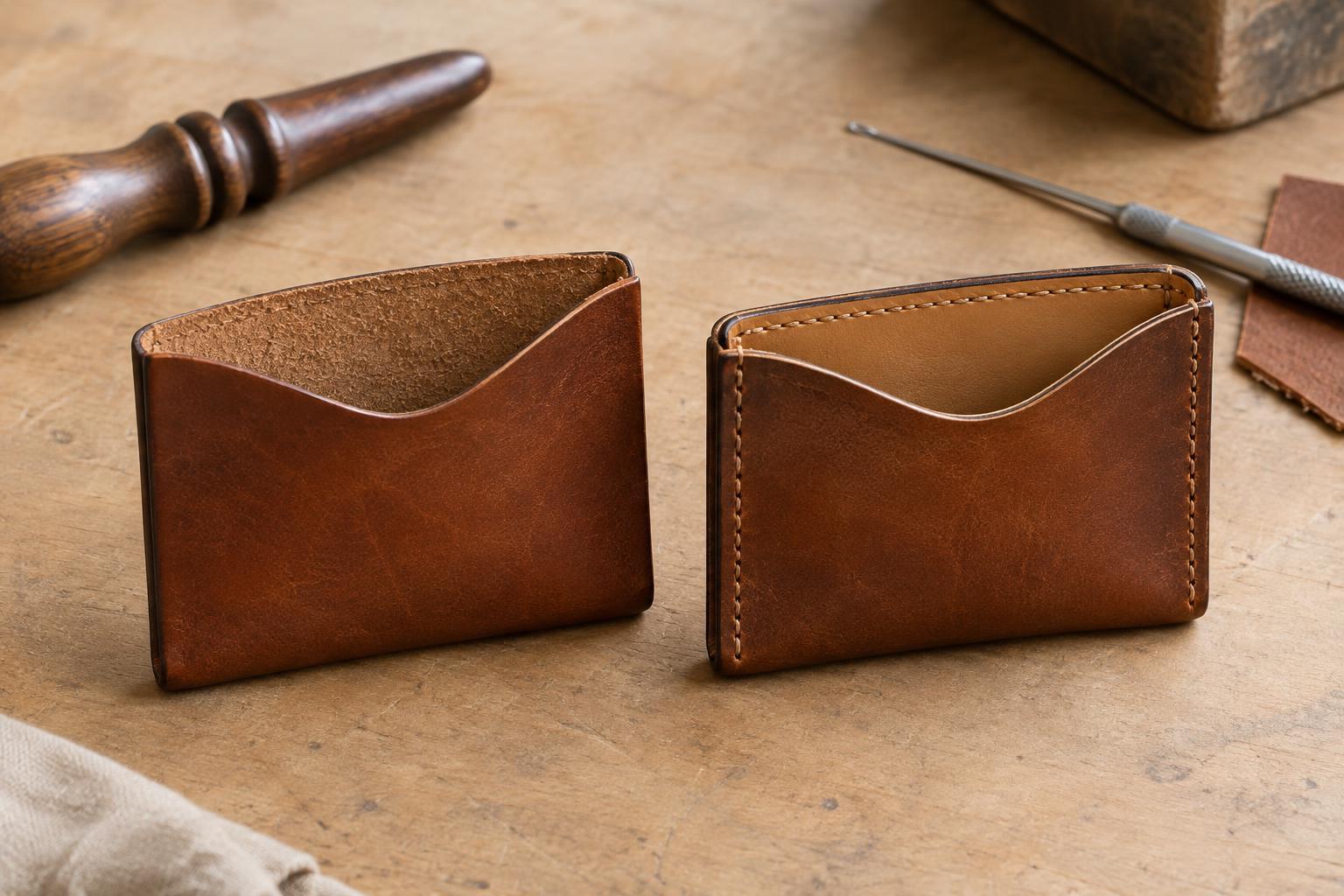
Leather and Small AccessoriesA lining changes more than the look inside a leather wallet, pouch or small bag. Learn how lined and unlined designs differ in edges, stitching, bulk, flexibility and care—and what to check when examining an accessory.
Read article · 4 min↗
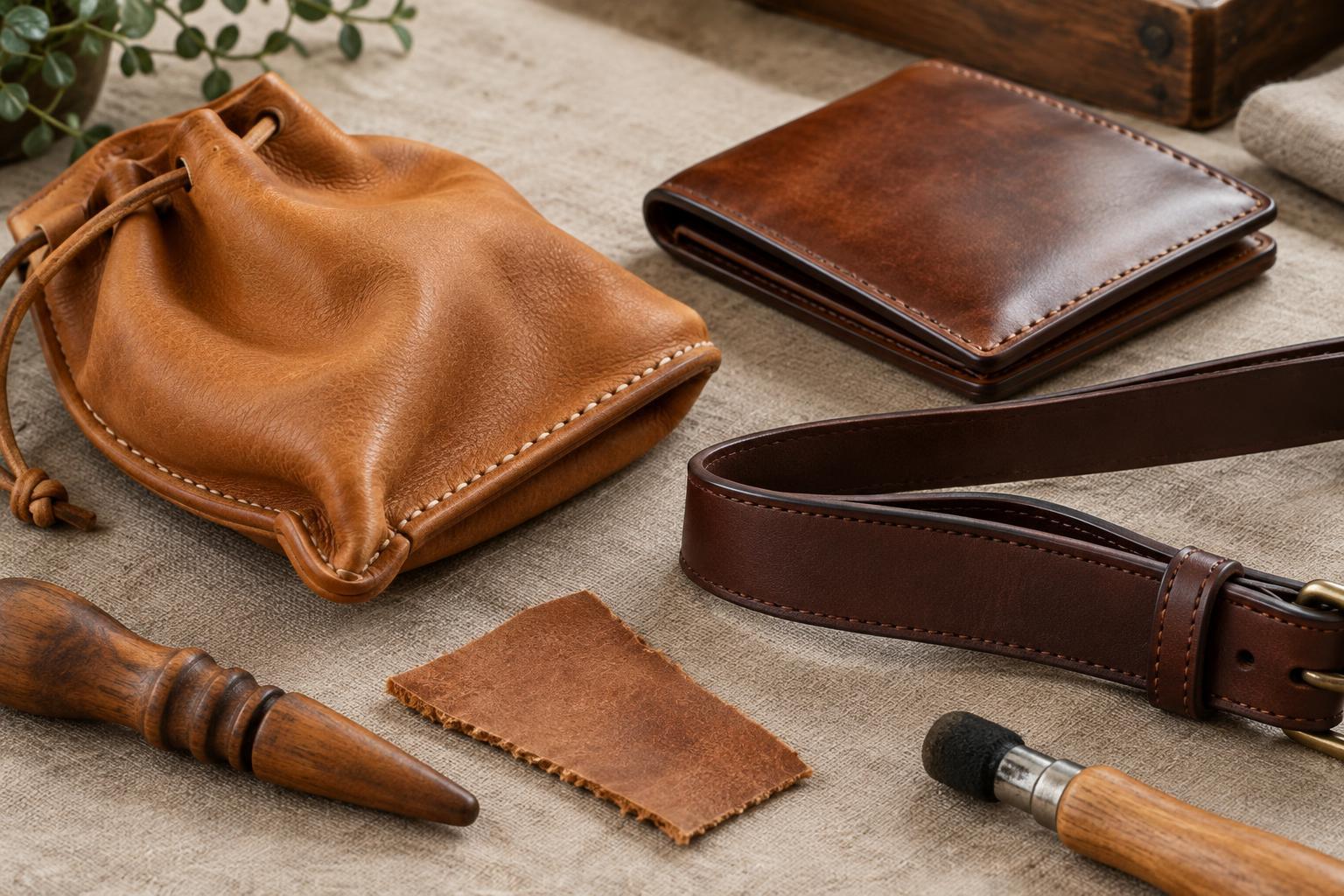
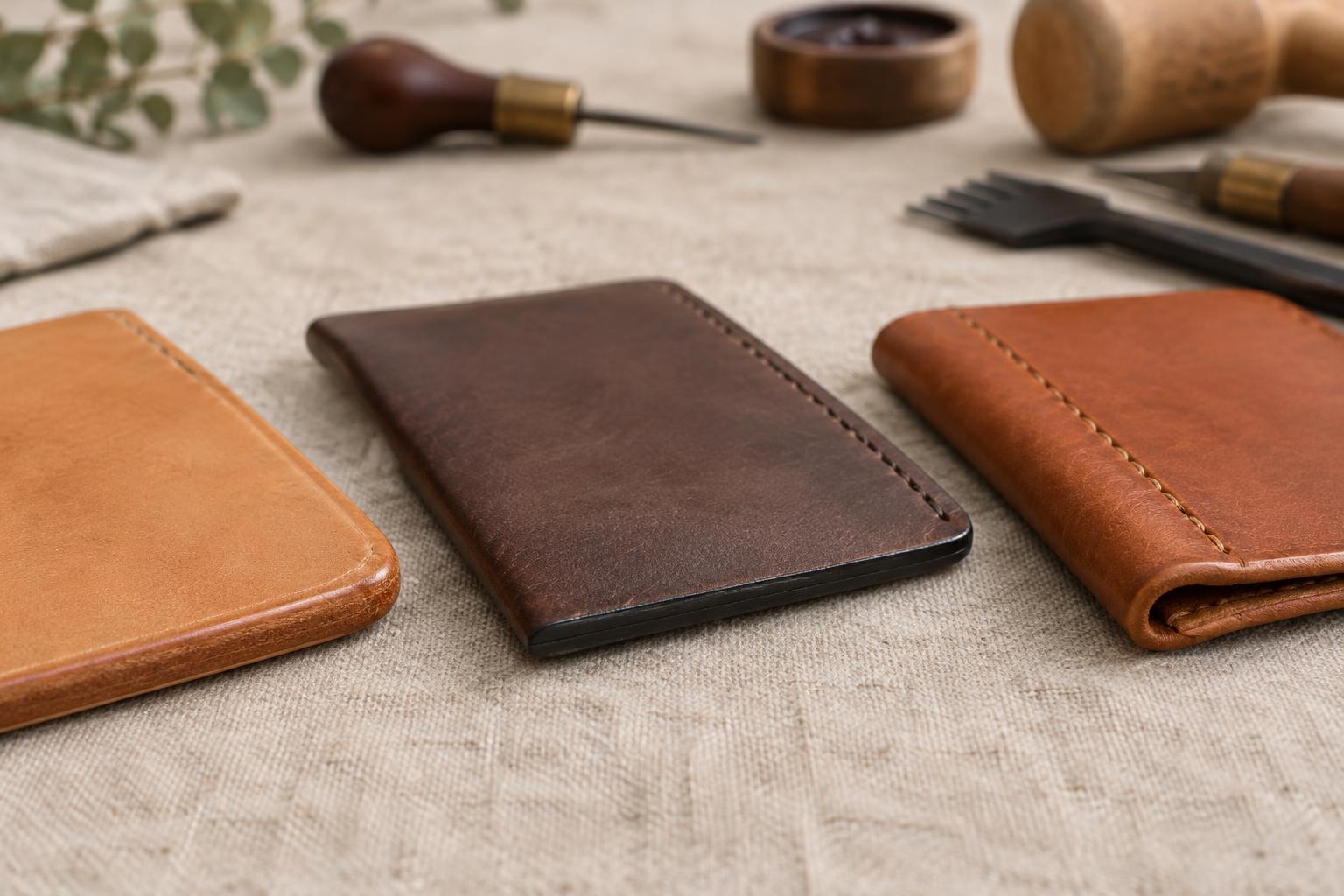
Leather and Small AccessoriesThe edge of a leather accessory can reveal how it was finished, but a smooth appearance alone does not tell the whole story. Learn the visible clues that distinguish burnished, painted and folded edges, where to look for them, and how to care for each finish.
Read article · 4 min↗
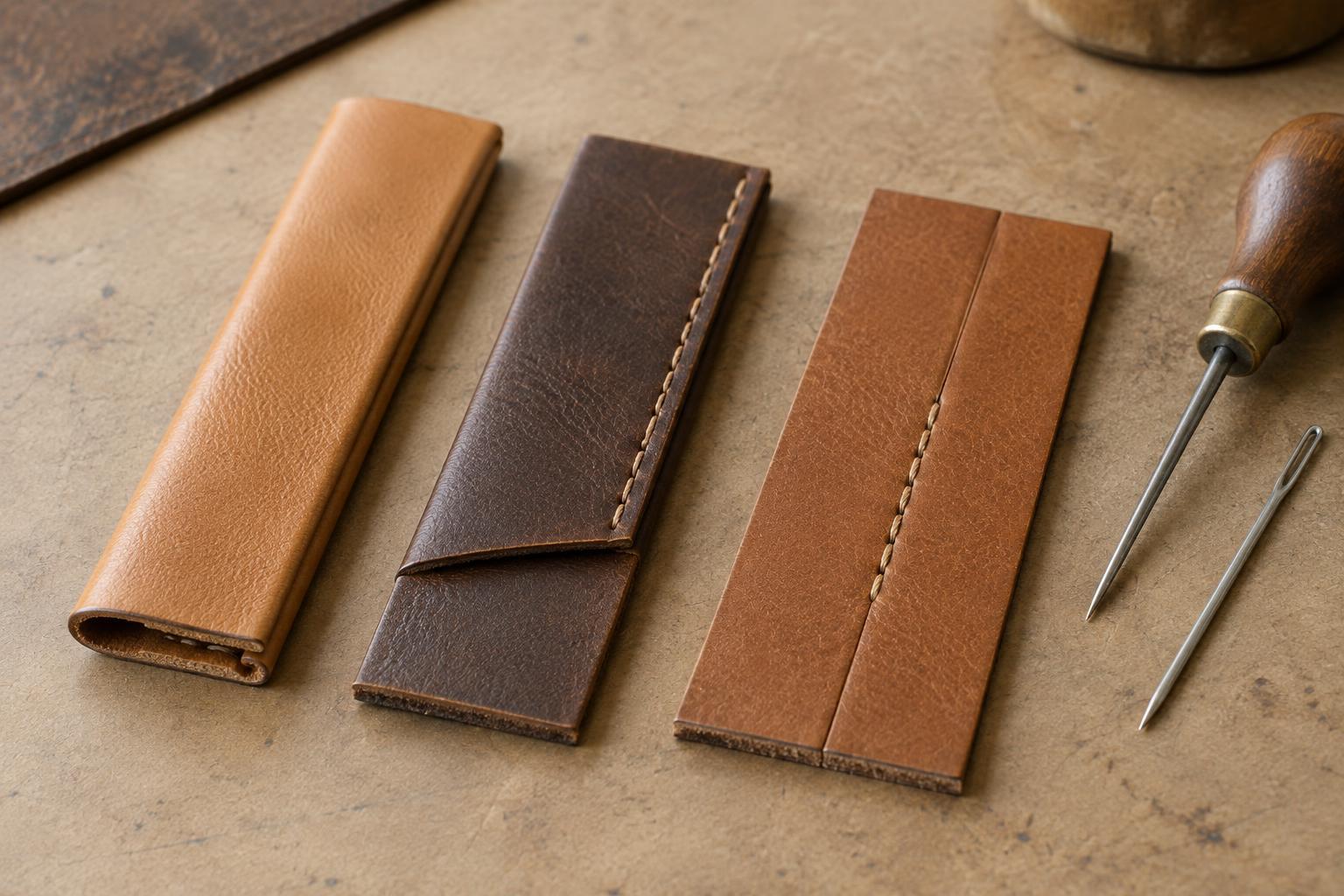
Leather and Small AccessoriesA leather seam does more than hold two pieces together. Its construction affects thickness, flexibility, appearance and repair. Learn how to recognise folded, overlapped and butt-joined edges, and what each can tell you about a small accessory.
Read article · 4 min↗
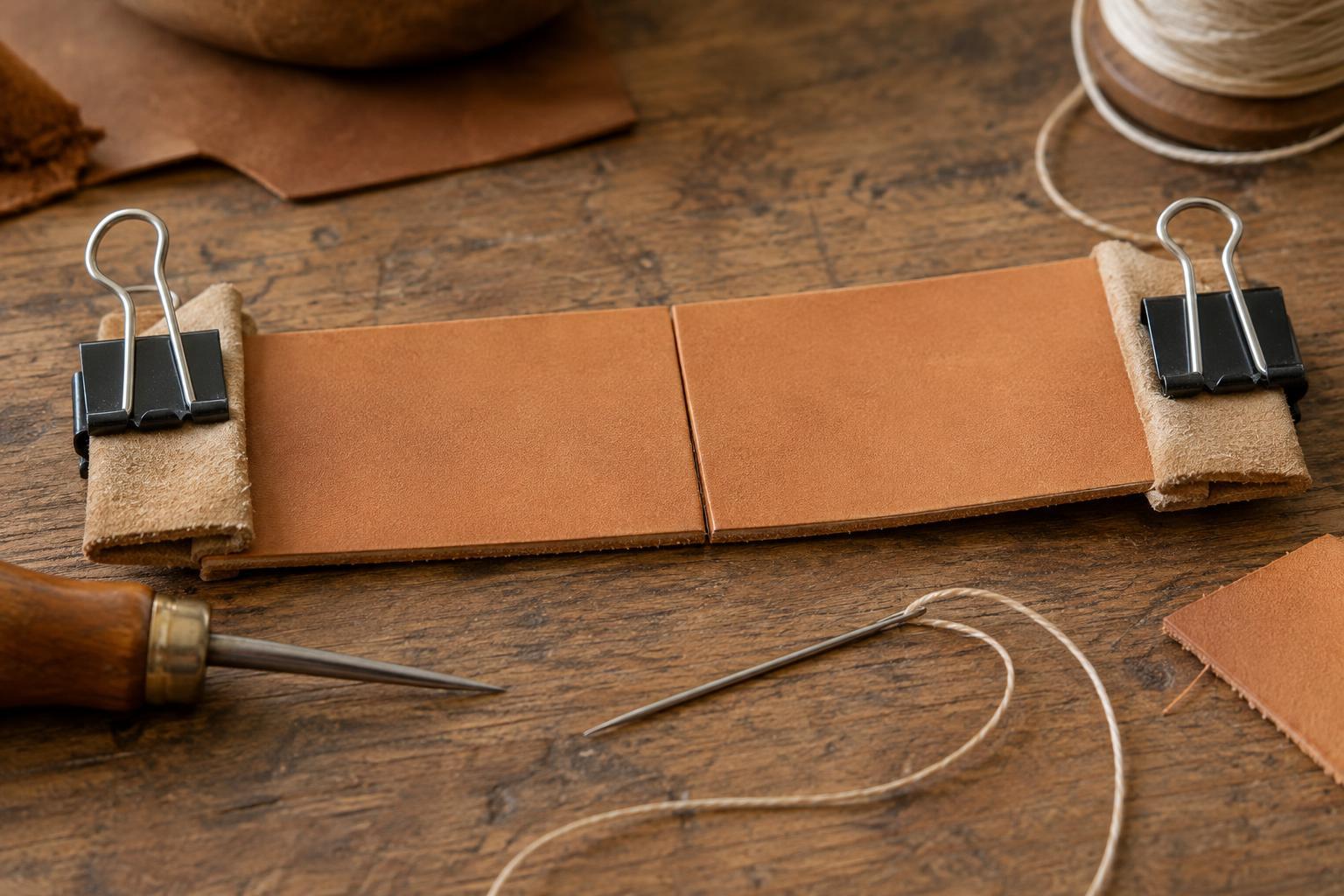
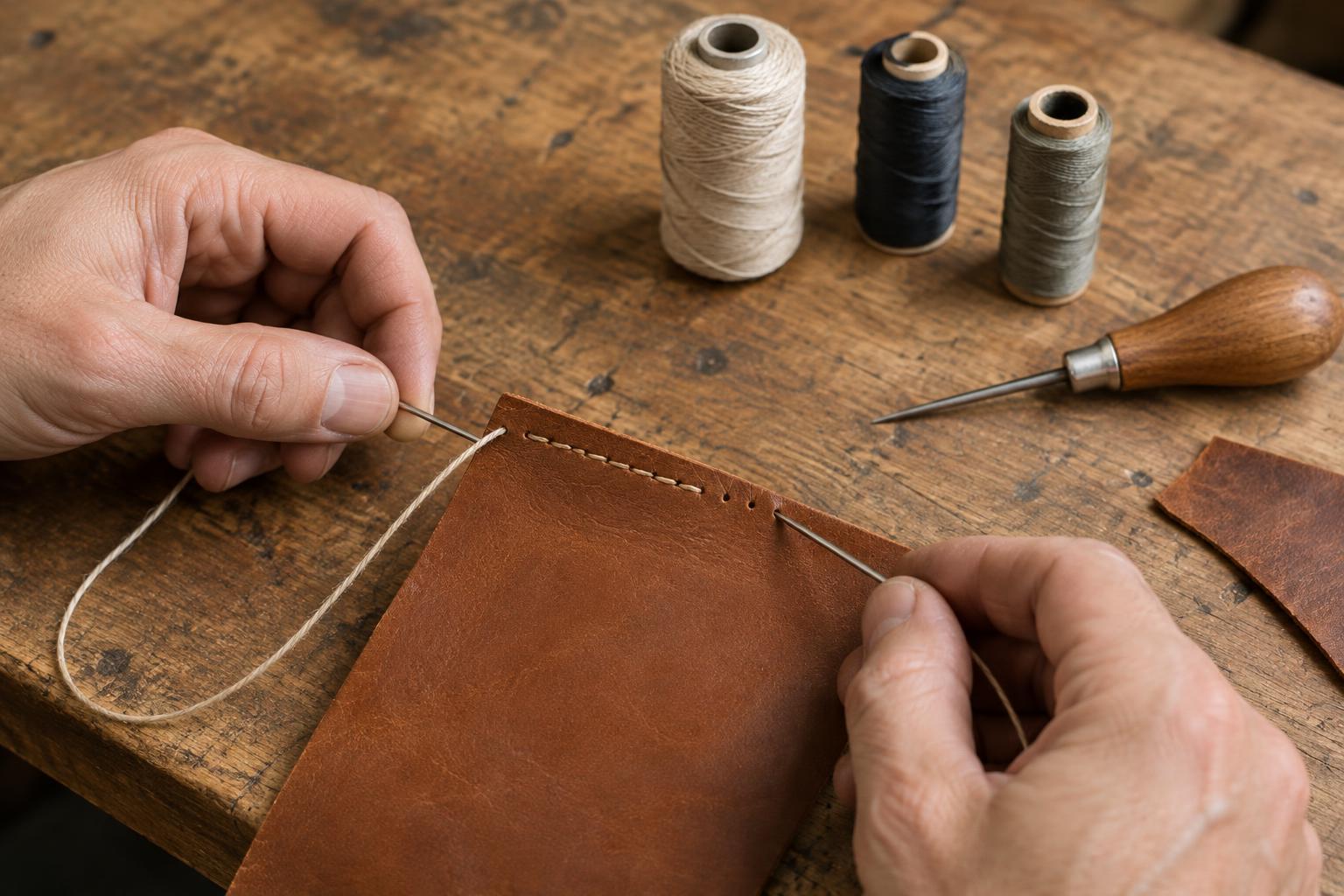
Leather and Small AccessoriesThe right thread should suit the leather, the stitch holes and the way an object will be used. Learn how linen, polyester and nylon differ, how to judge thread thickness, and why a small test seam is worth making before you begin.
Read article · 4 min↗
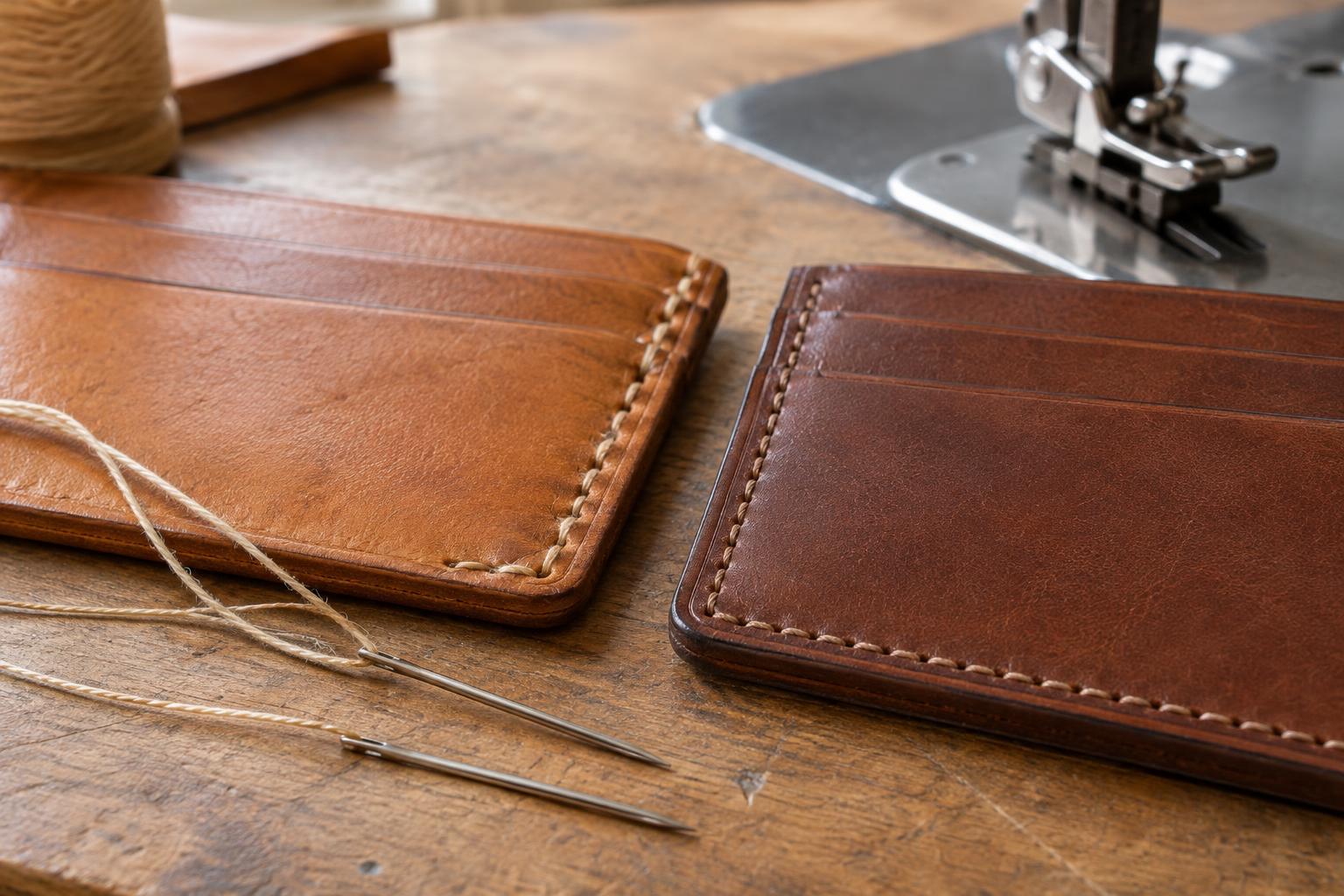
Leather and Small AccessoriesSaddle stitch and machine stitching can both make strong, attractive seams in leather accessories. Learn how each is formed, what to look for at an edge, and why construction and care matter as much as the stitch itself.
Read article · 4 min↗
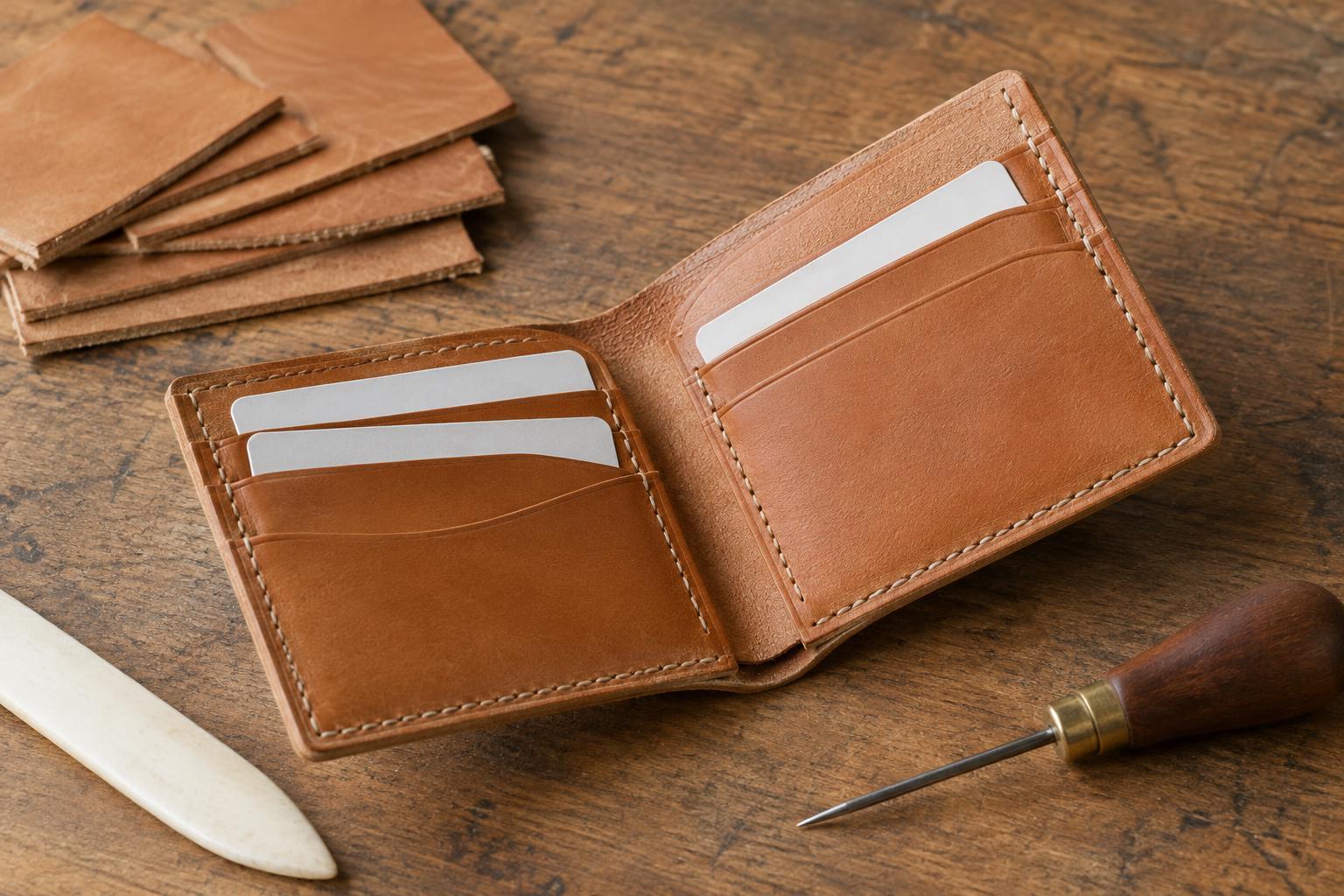
Leather and Small AccessoriesA wallet pattern that looks generous on paper can become tight once the leather is folded, stacked and stitched. Learn where thickness takes up space, how to test a fold, and how to leave room for cards without making a pocket loose.
Read article · 4 min↗
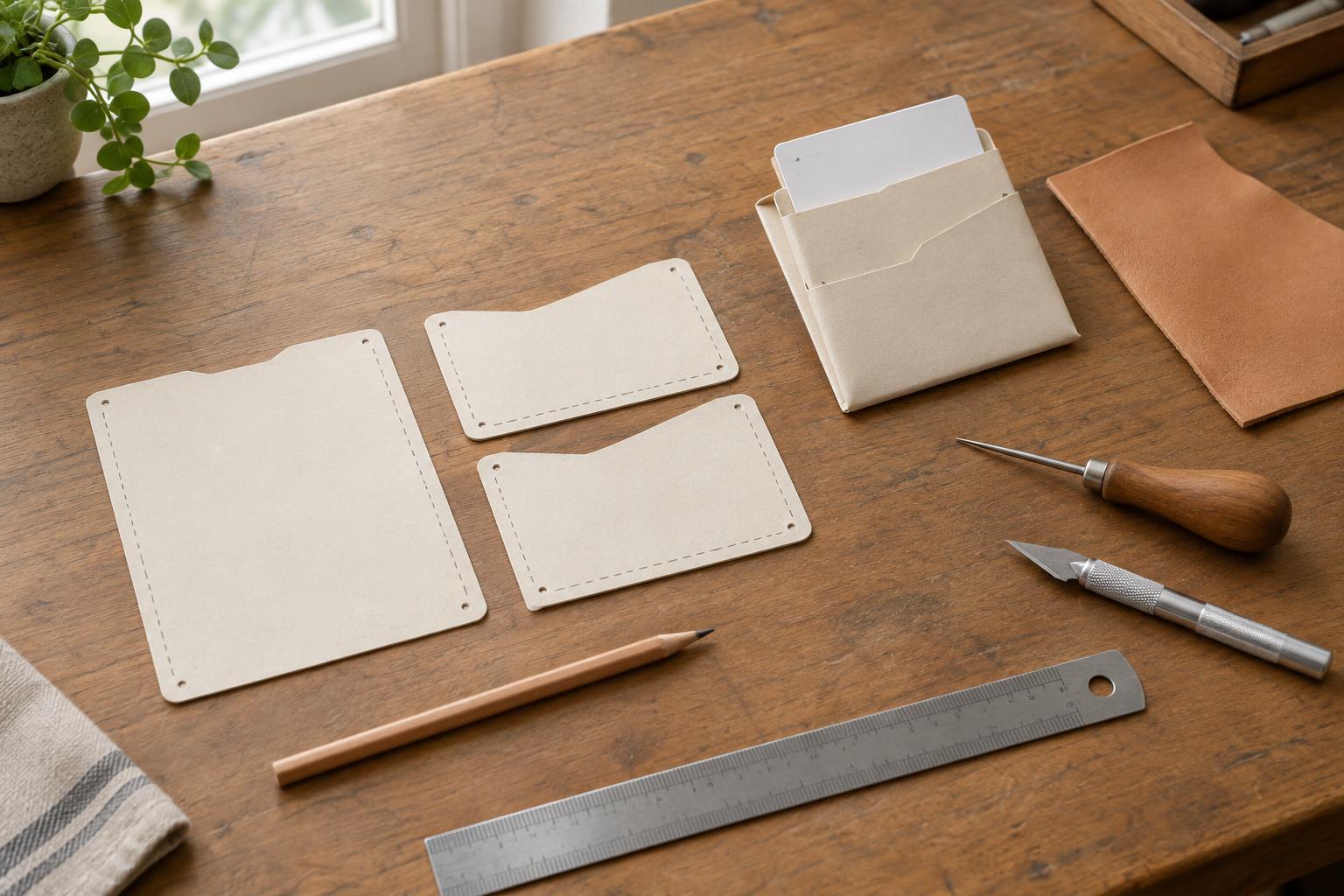
Leather and Small AccessoriesA good leather cardholder begins with a paper pattern you can test and adjust before cutting leather. Learn how to plan two accessible pockets, mark stitching lines, make a quick mock-up and transfer the final shapes accurately.
Read article · 4 min↗
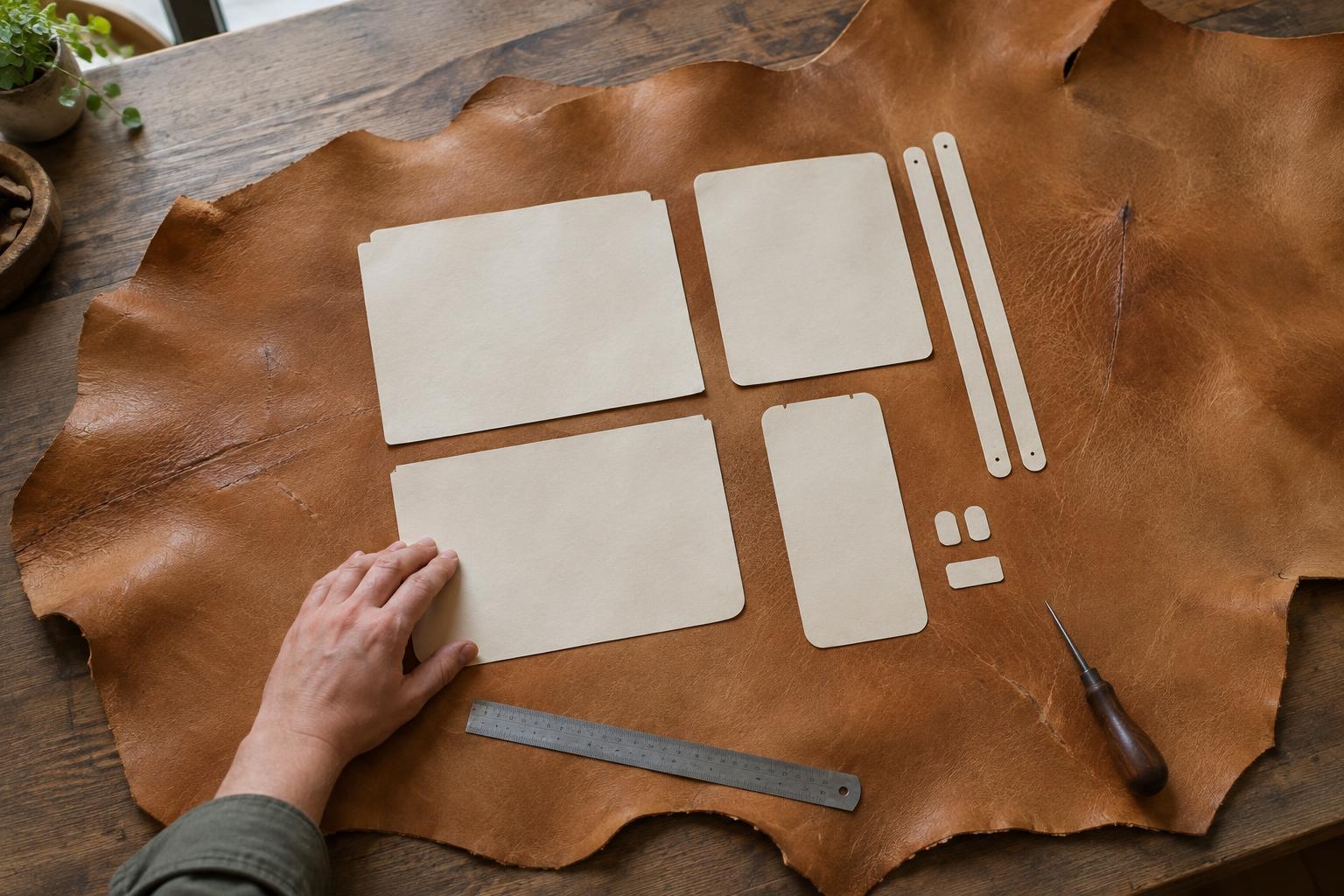
Leather and Small AccessoriesA leather hide is not a uniform sheet. Learn how to inspect its surface, map firmer and stretchier areas, and place pattern pieces so visible panels, straps and small components suit the leather available.
Read article · 4 min↗
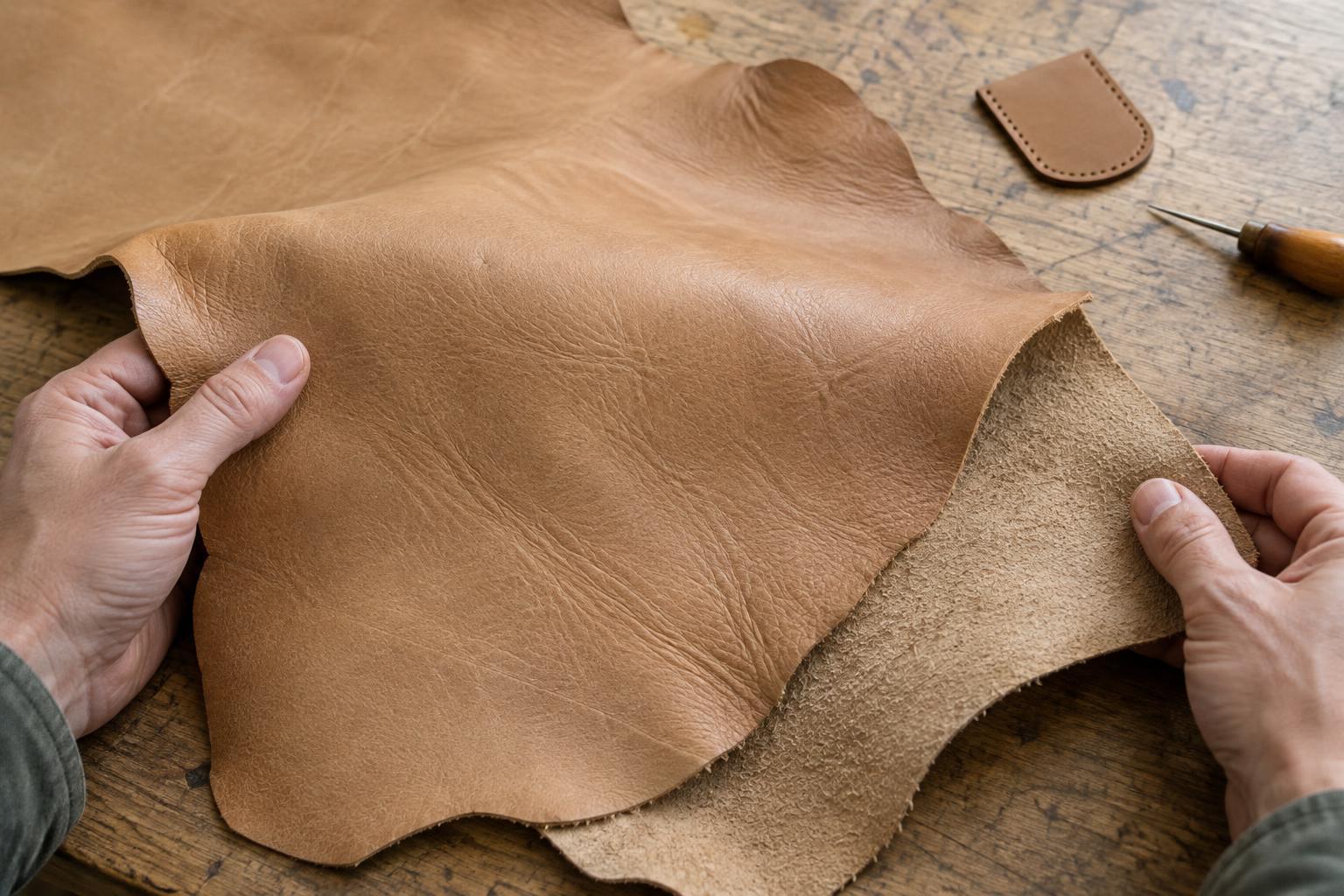
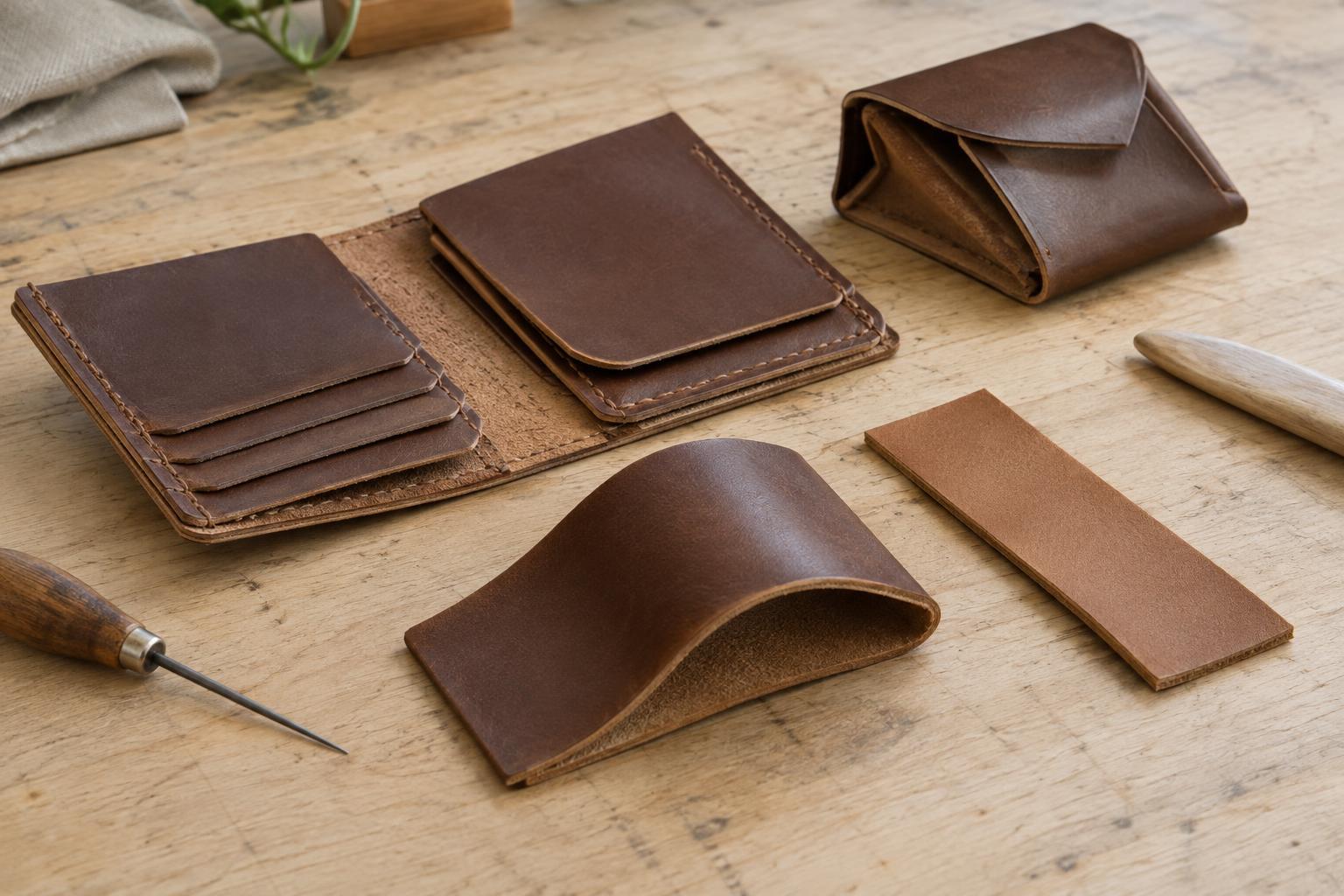
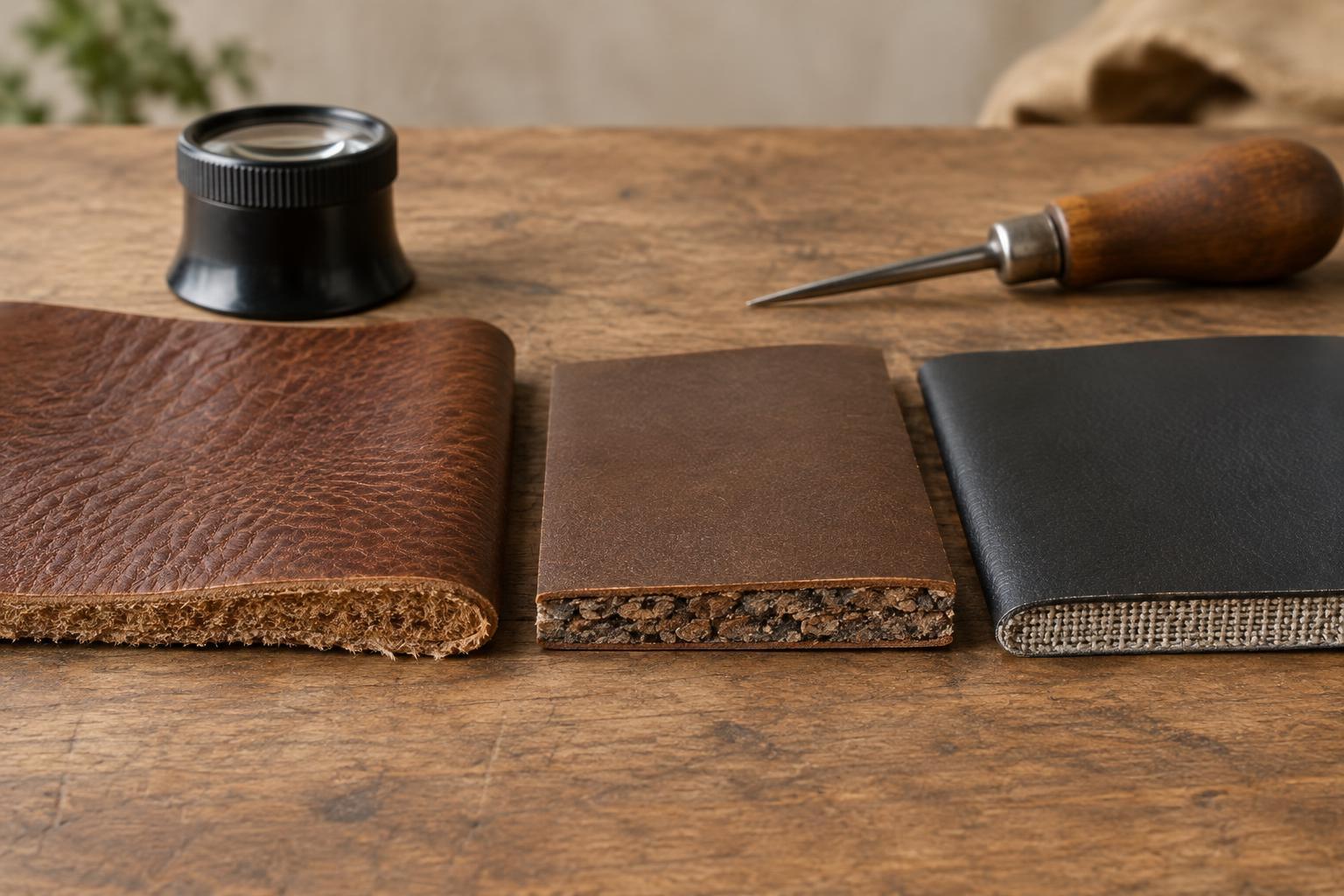
Leather and Small AccessoriesLeather, bonded leather and synthetic leather can look similar at first glance, but they are built in different ways. Learn what lies beneath the surface, which details to inspect and how construction affects care and repair.
Read article · 4 min↗
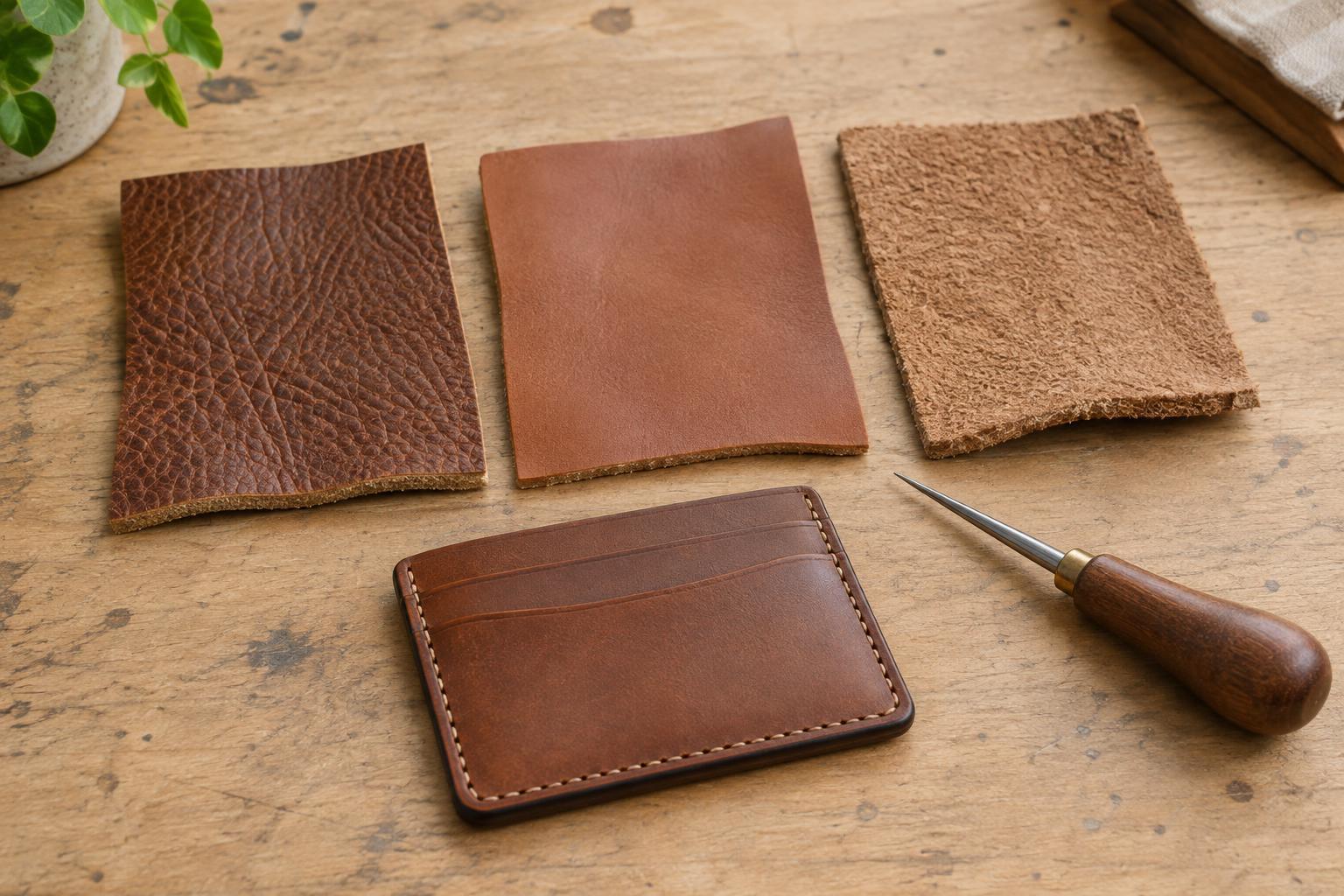
Leather and Small AccessoriesLeather labels often describe where a material came from within a hide, but they do not tell the whole story about quality. Learn how full-grain, top-grain and split leather differ, what finishing can conceal, and which construction details matter when choosing a small accessory.
Read article · 4 min↗
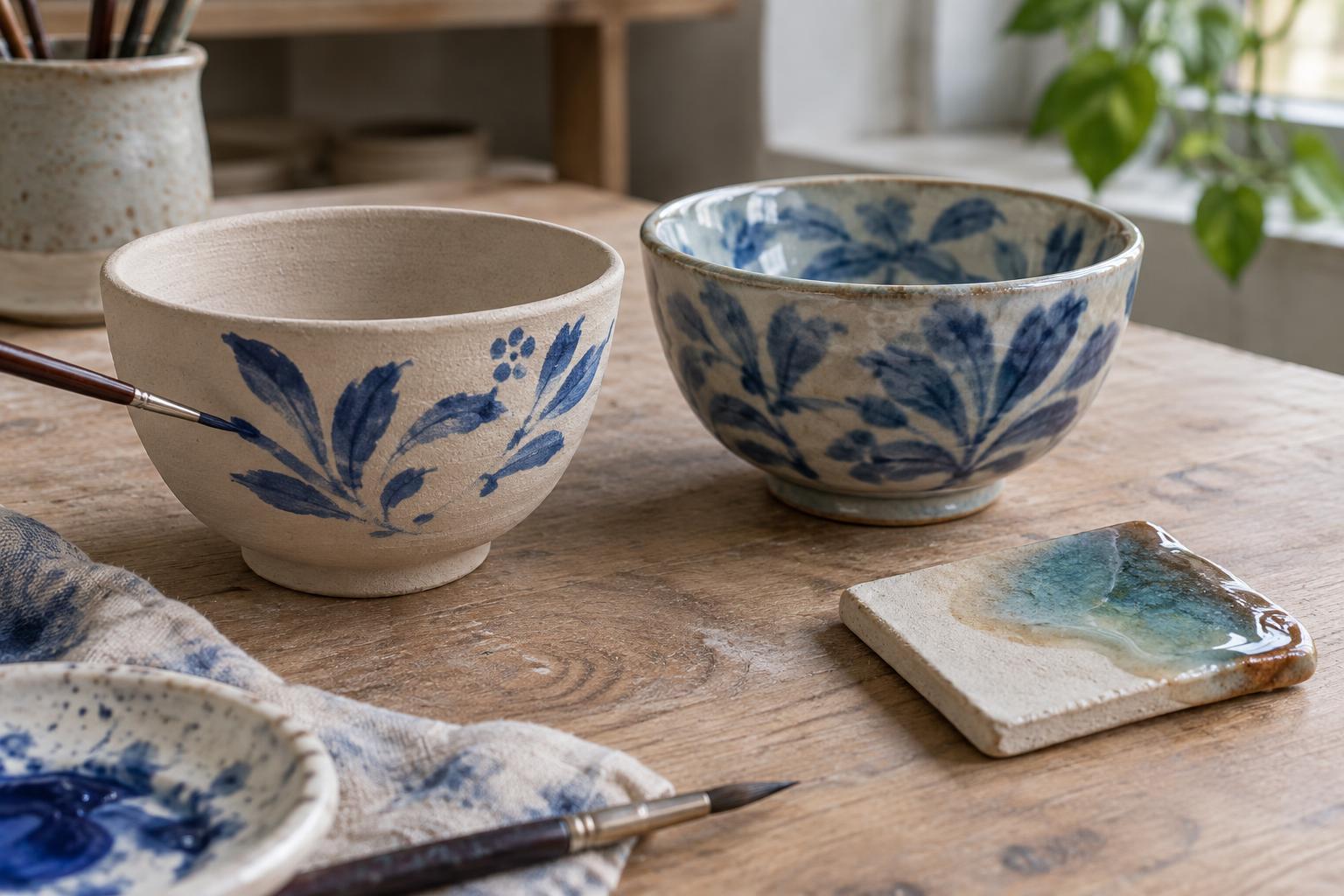
Jewellery and Decorative ArtsA ceramic object may be coloured before it is glazed, by the glaze itself, or both. Learn when underglaze and glaze are applied, how each affects the finished surface, and what to look for when examining a handmade piece.
Read article · 4 min↗
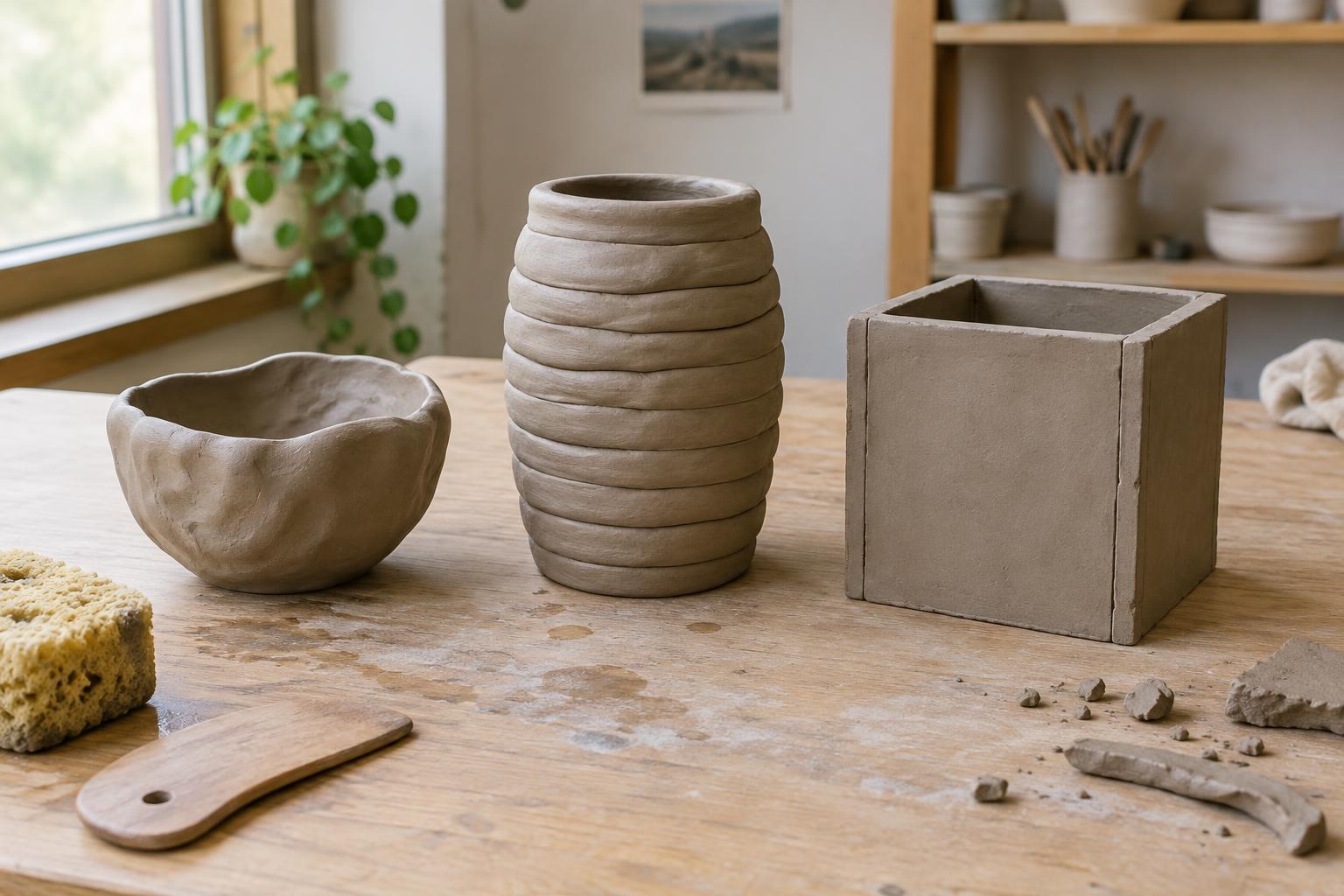
Jewellery and Decorative ArtsHandbuilding starts with clay and a few simple movements, but each method leaves different possibilities for shape and surface. Learn how pinch, coil and slab building work, what details they leave behind, and how careful drying and joining help a piece hold together.
Read article · 4 min↗
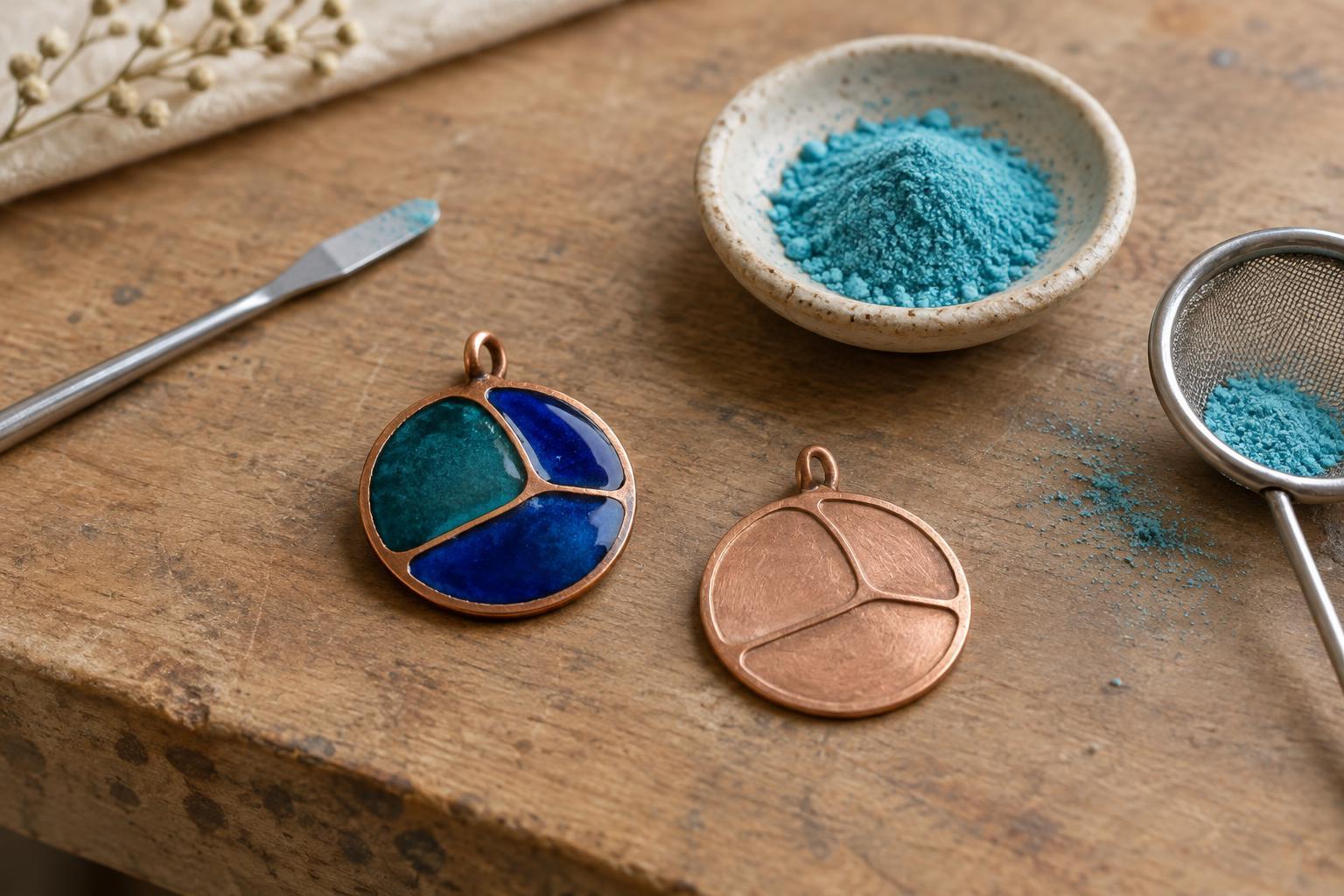
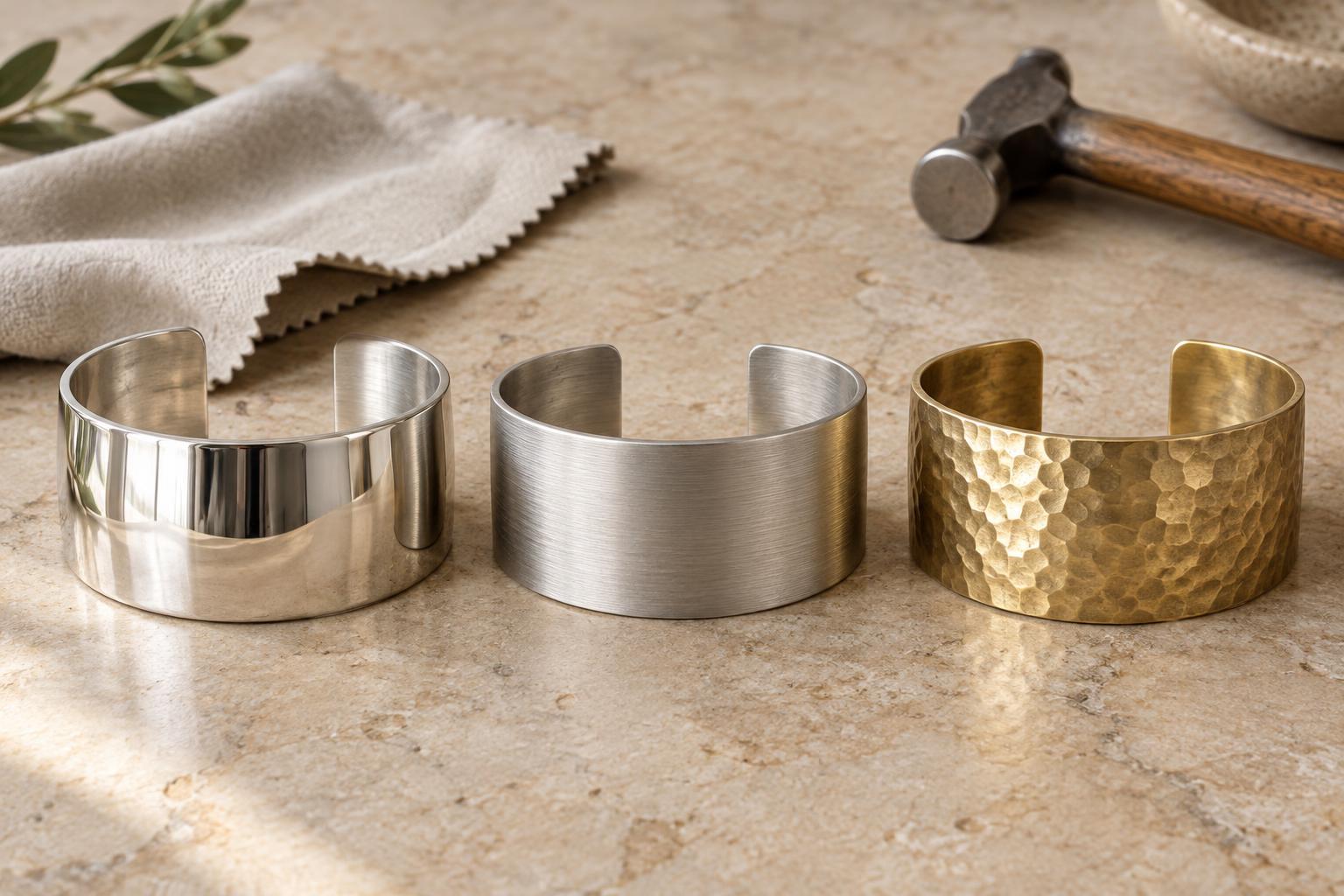
Jewellery and Decorative ArtsA metal surface can be mirror-bright, softly lined or covered in small facets. Learn how polishing, brushing and hammering create those effects, what to look for in a finished object, and how to care for each texture.
Read article · 4 min↗
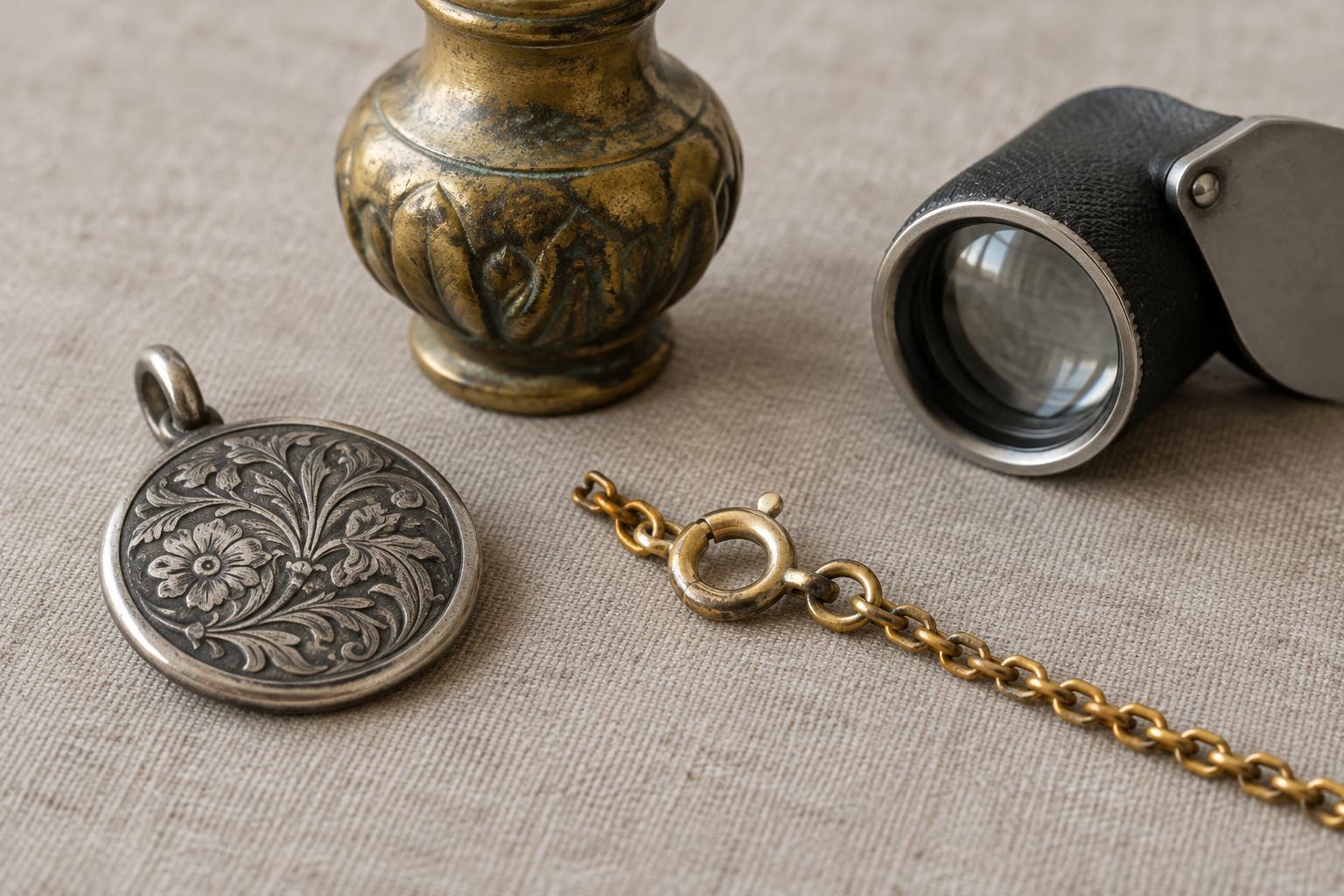
Jewellery and Decorative ArtsA darkened recess, a bright edge or a warm gold tone can tell you something about an object’s surface, but rarely the whole story. Learn how patina and plating differ, what wear patterns may reveal, and how to examine a piece without damaging it.
Read article · 4 min↗
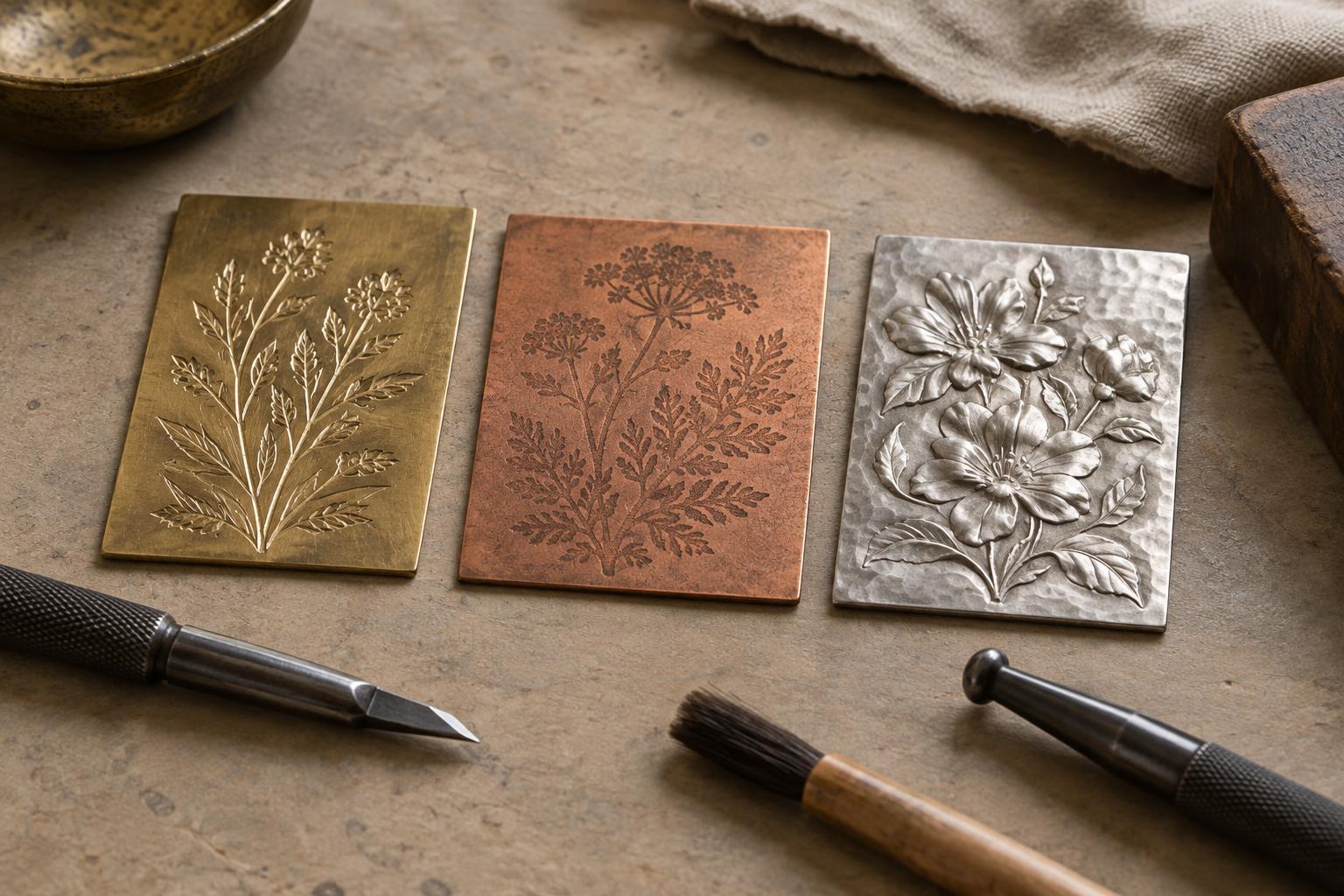
Jewellery and Decorative ArtsA cut line, a chemically bitten pattern and a raised relief can all decorate metal, but they are made in different ways. Learn what engraving, etching and chasing involve, how to look for their construction details, and how to care for a decorated surface.
Read article · 4 min↗
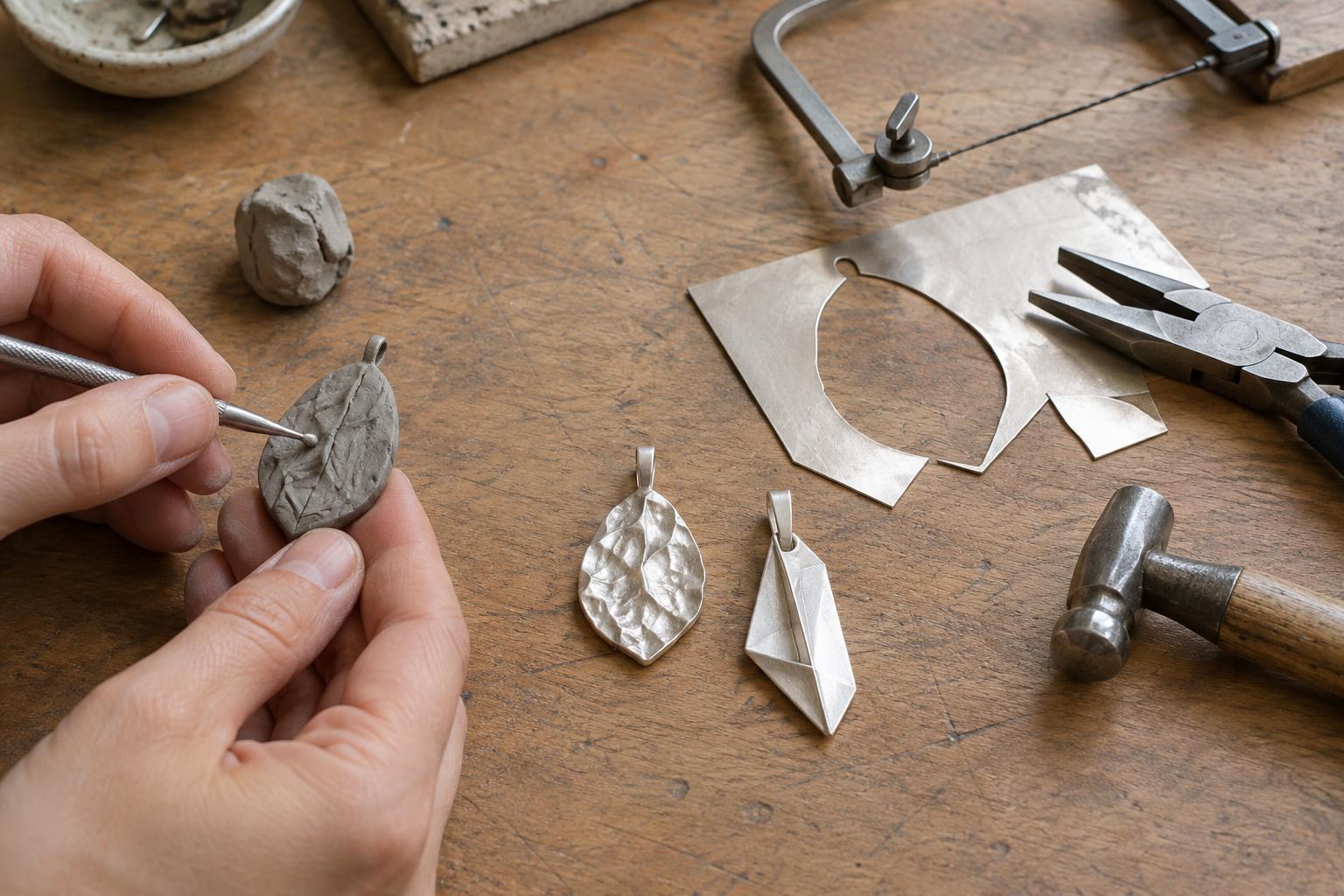
Jewellery and Decorative ArtsMetal clay and sheet metal can both become finished jewellery, but they ask the maker to work in different ways. Learn how each material affects shaping, firing, forming, joining and the details you can see in a finished piece.
Read article · 4 min↗
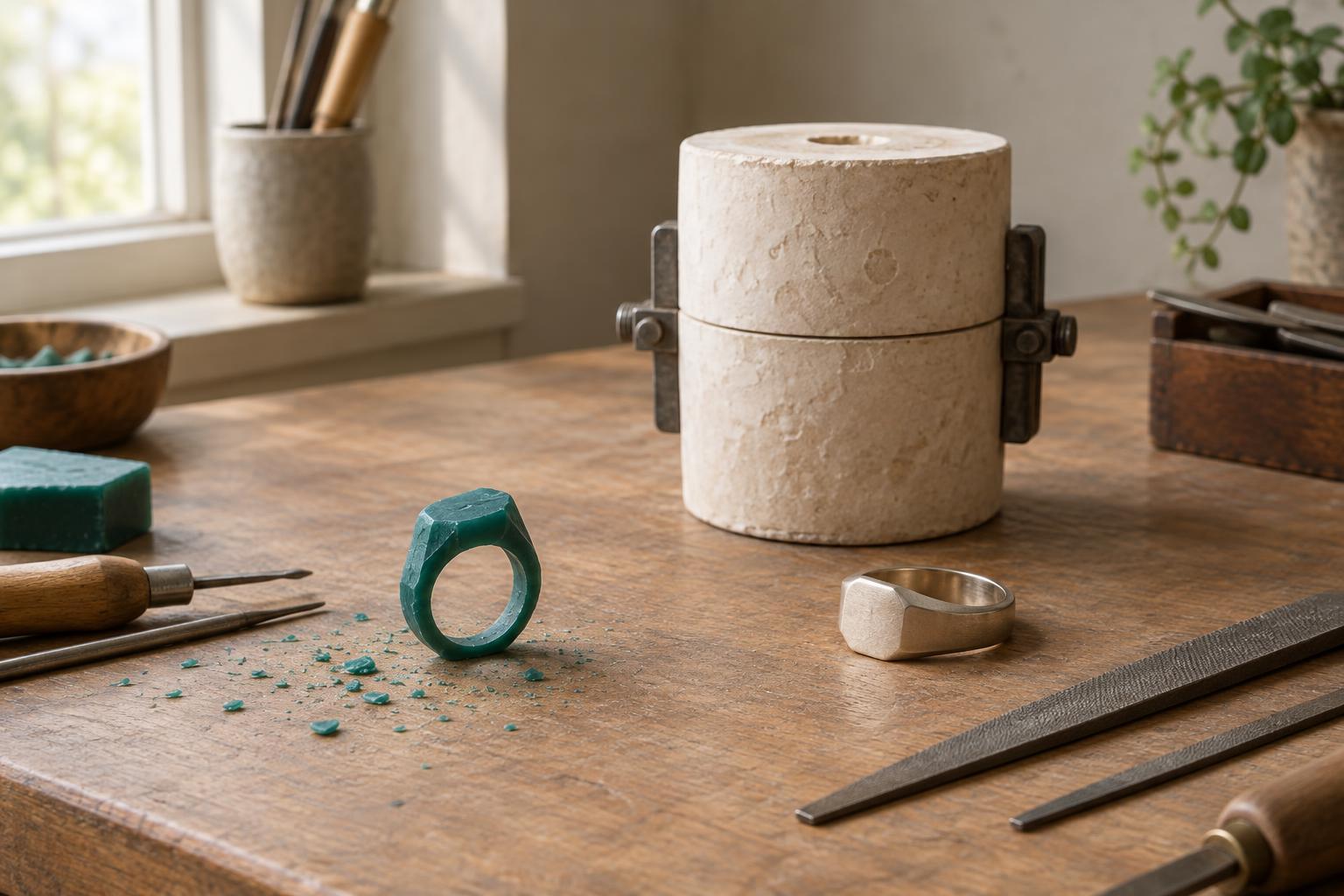
Jewellery and Decorative ArtsLost-wax casting turns a wax model into a metal form through mould-making, burnout, pouring and finishing. Learn what each stage contributes to a piece of jewellery, why small design choices matter and what details to look for in the finished object.
Read article · 4 min↗
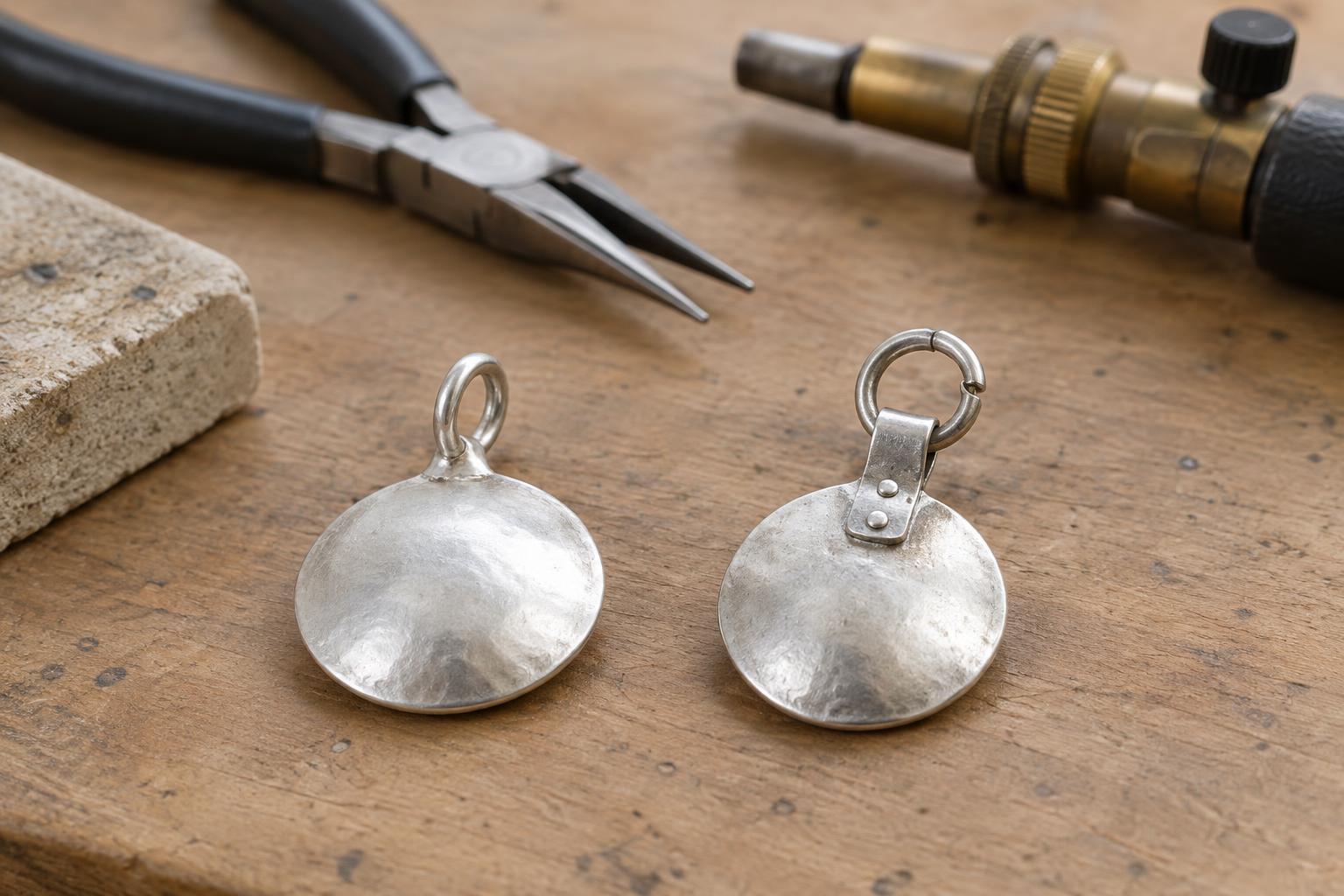
Jewellery and Decorative ArtsA metal jewellery joint may be joined with heat or held together mechanically. Learn how soldered seams differ from rivets, tabs and jump rings, what each method makes possible, and which construction details to look for.
Read article · 4 min↗
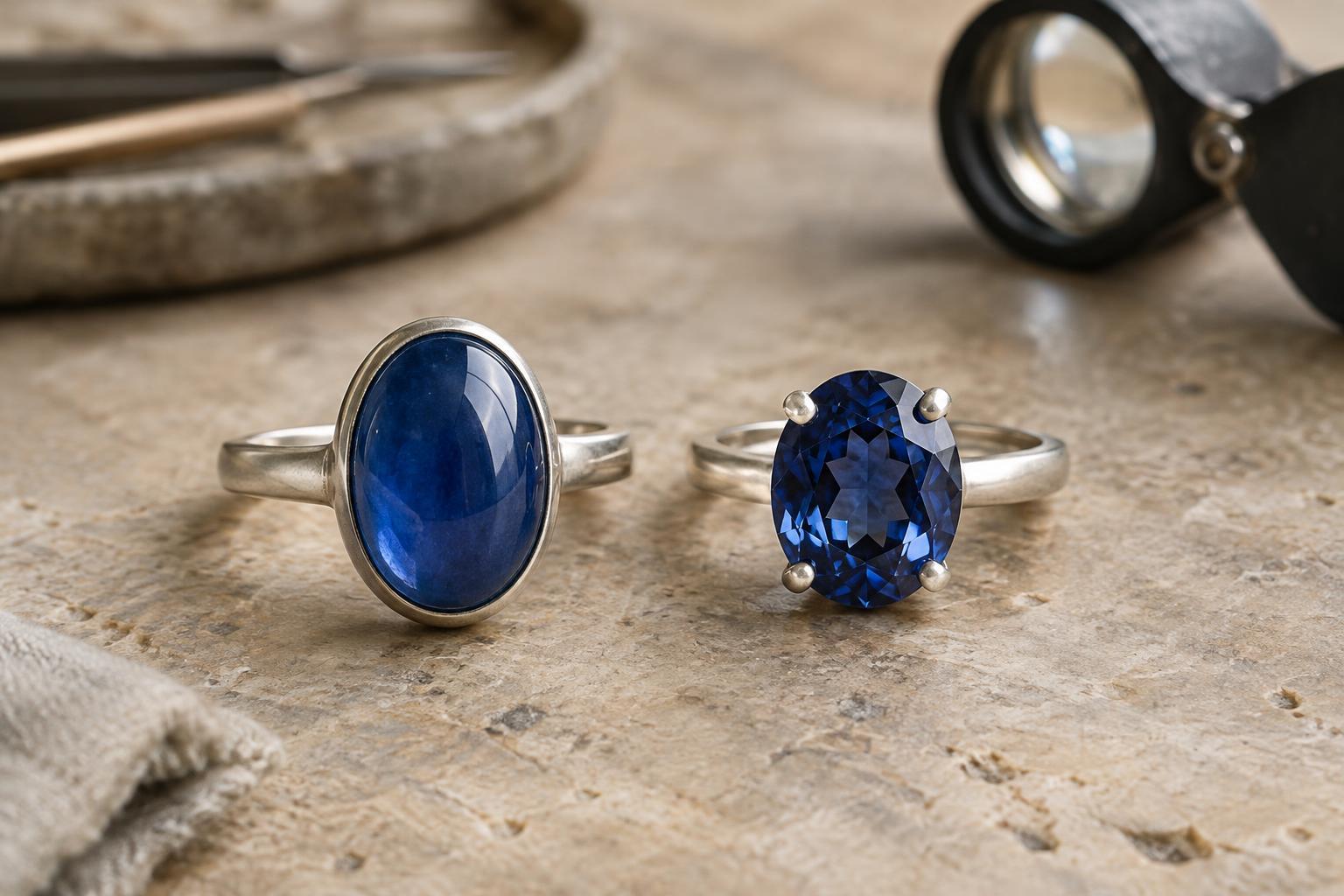
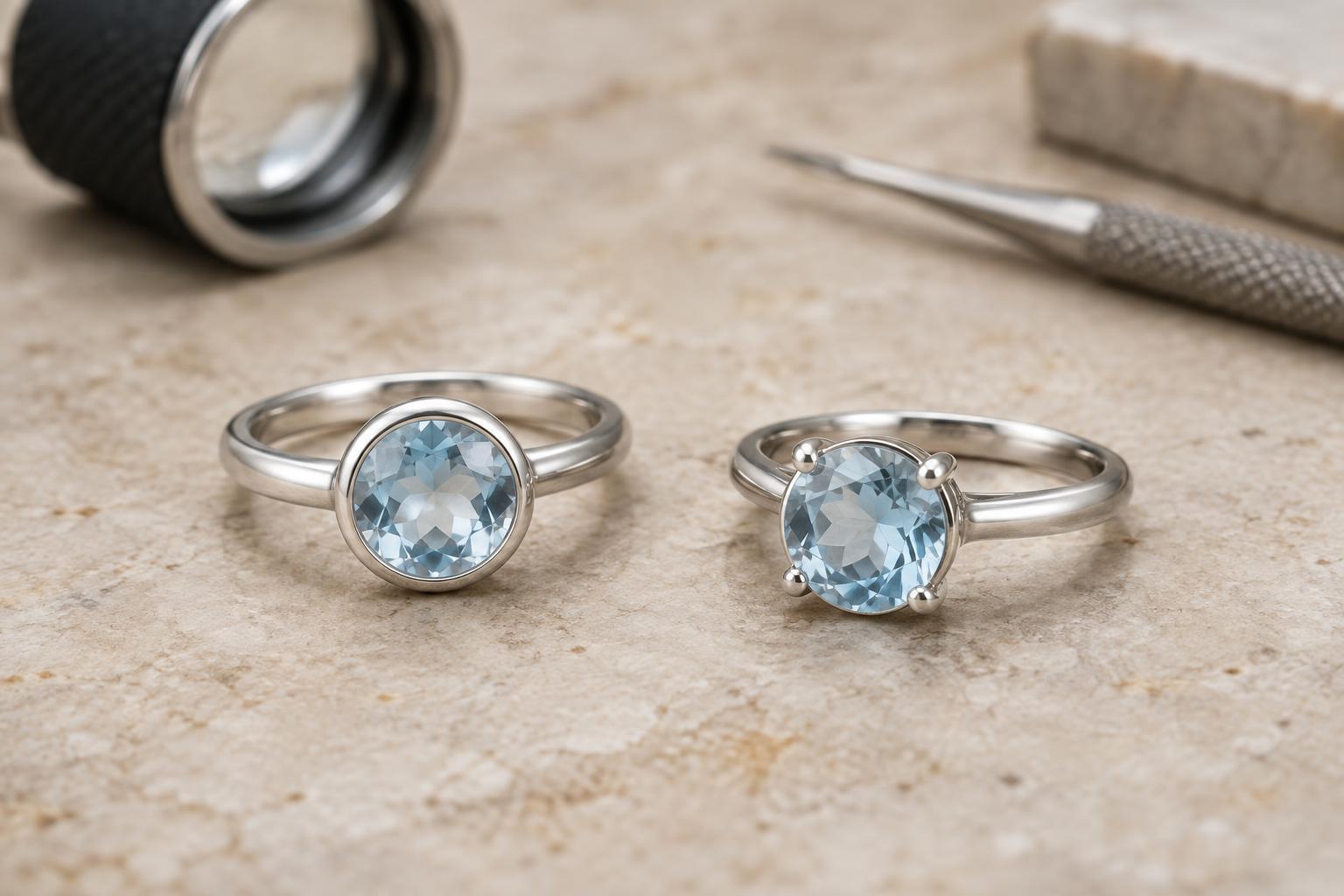
Jewellery and Decorative ArtsA bezel wraps a rim of metal around a stone’s edge; prongs use small metal tips to grip it at several points. Learn how these settings are made, what details to inspect, and how their construction affects wear and care.
Read article · 4 min↗
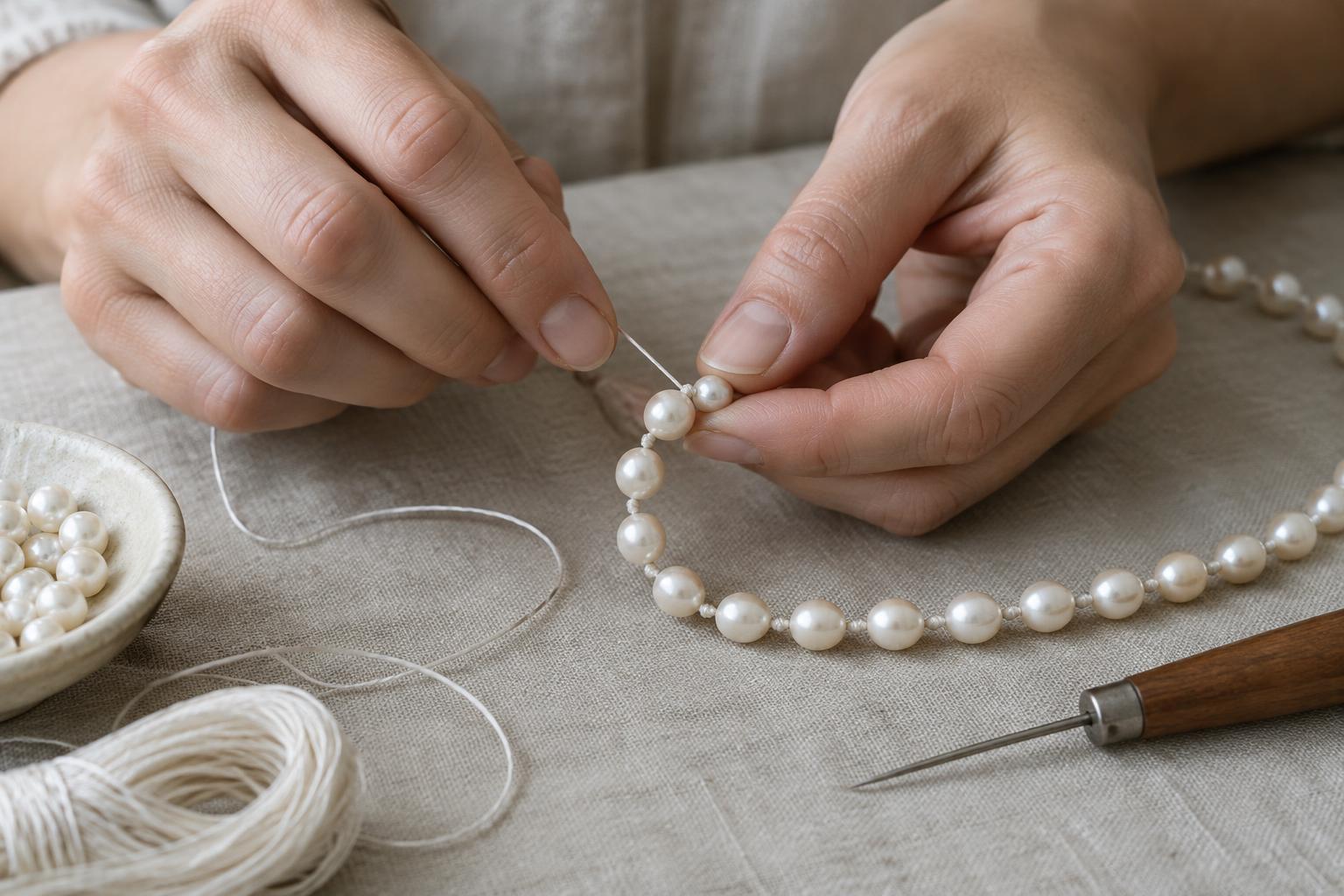
Jewellery and Decorative ArtsKnots between beads can soften a strand’s drape, reduce contact between delicate surfaces and help limit bead loss if the thread breaks. Learn when knotting makes sense, how to place each knot and what to check before wearing a finished strand.
Read article · 4 min↗
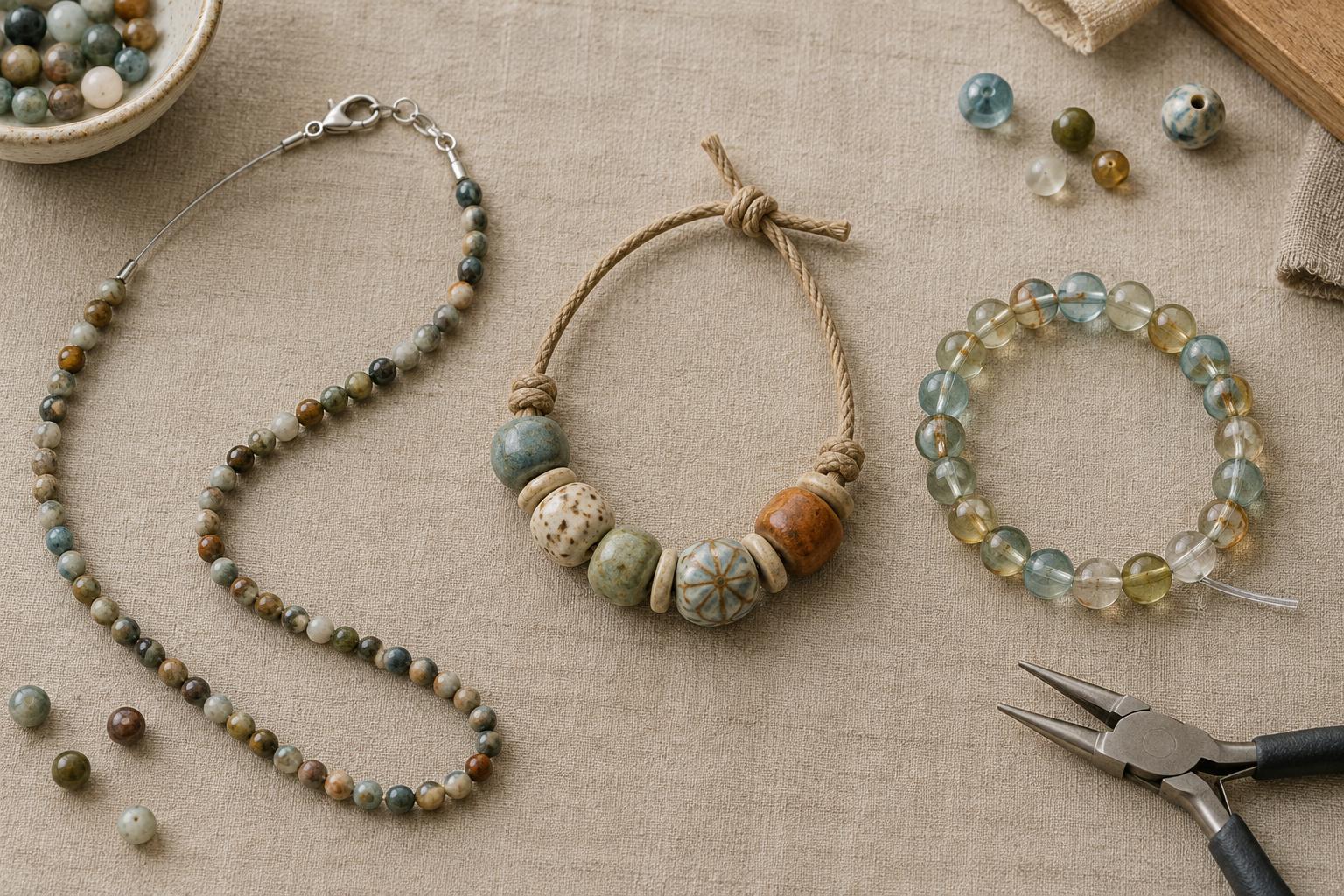
Jewellery and Decorative ArtsThe material inside a beaded piece affects how it hangs, fastens and wears. Learn when to choose coated beading wire, cord or elastic, and how bead holes, weight and finishing details shape the decision.
Read article · 4 min↗
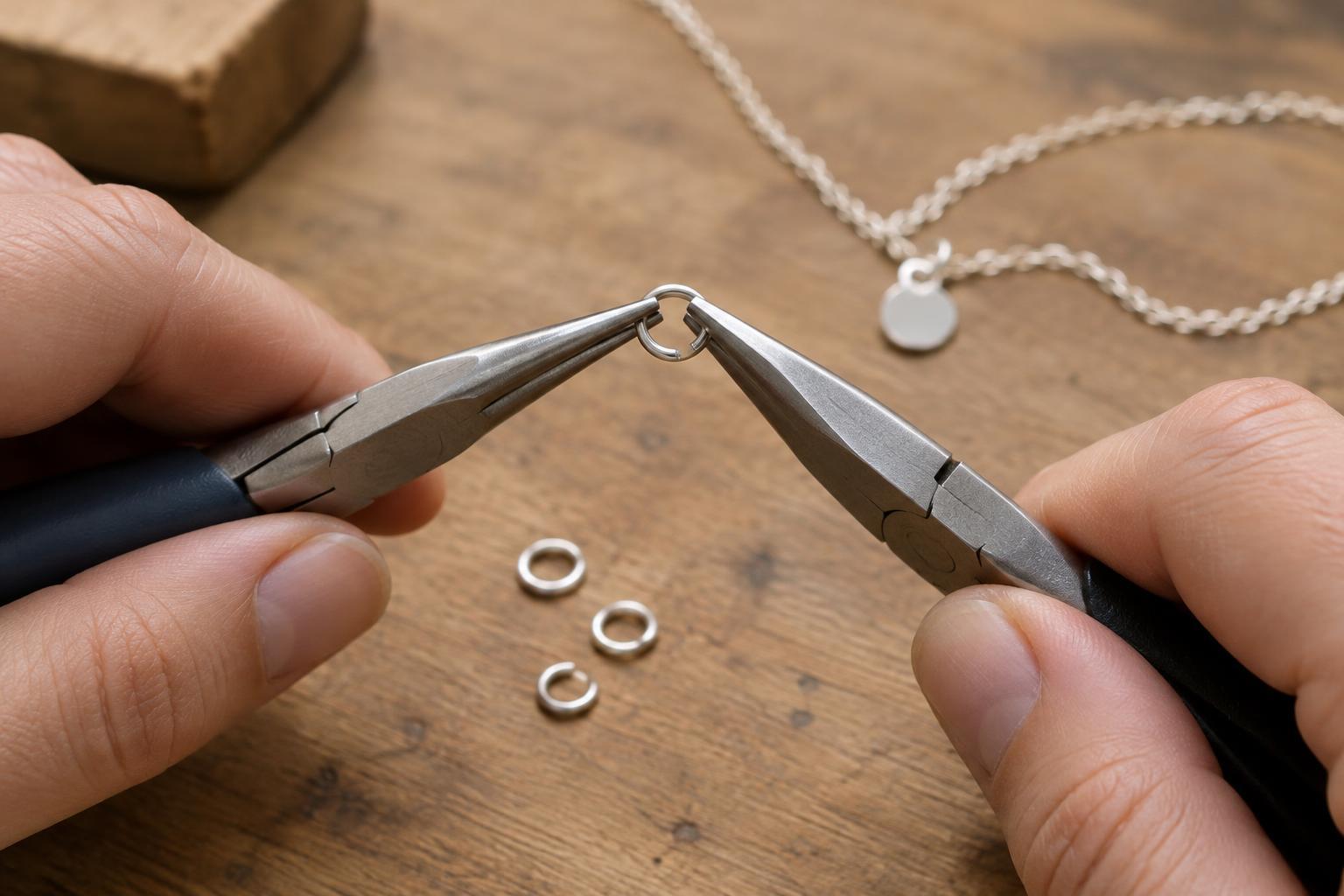
Jewellery and Decorative ArtsA jump ring may be small, but the way it is opened and closed affects how securely it holds a clasp, charm or decorative component. Learn the sideways-twist method, how to check the seam and when a ring should be replaced rather than reused.
Read article · 4 min↗
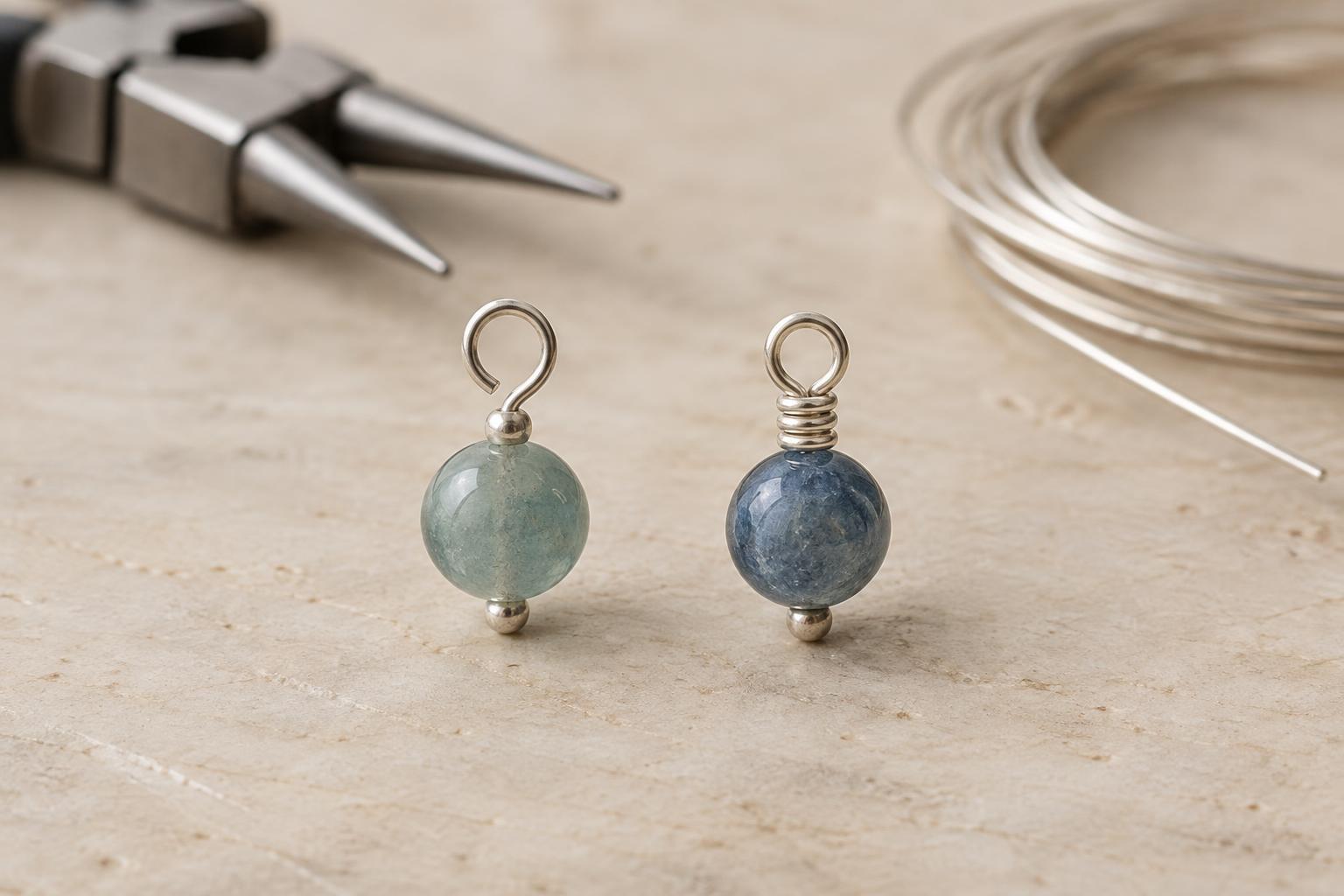
Jewellery and Decorative ArtsSimple loops and wrapped loops can look similar at a glance, but they connect jewellery components in different ways. Learn how each is made, where it works well, and what to check when examining a finished piece.
Read article · 4 min↗
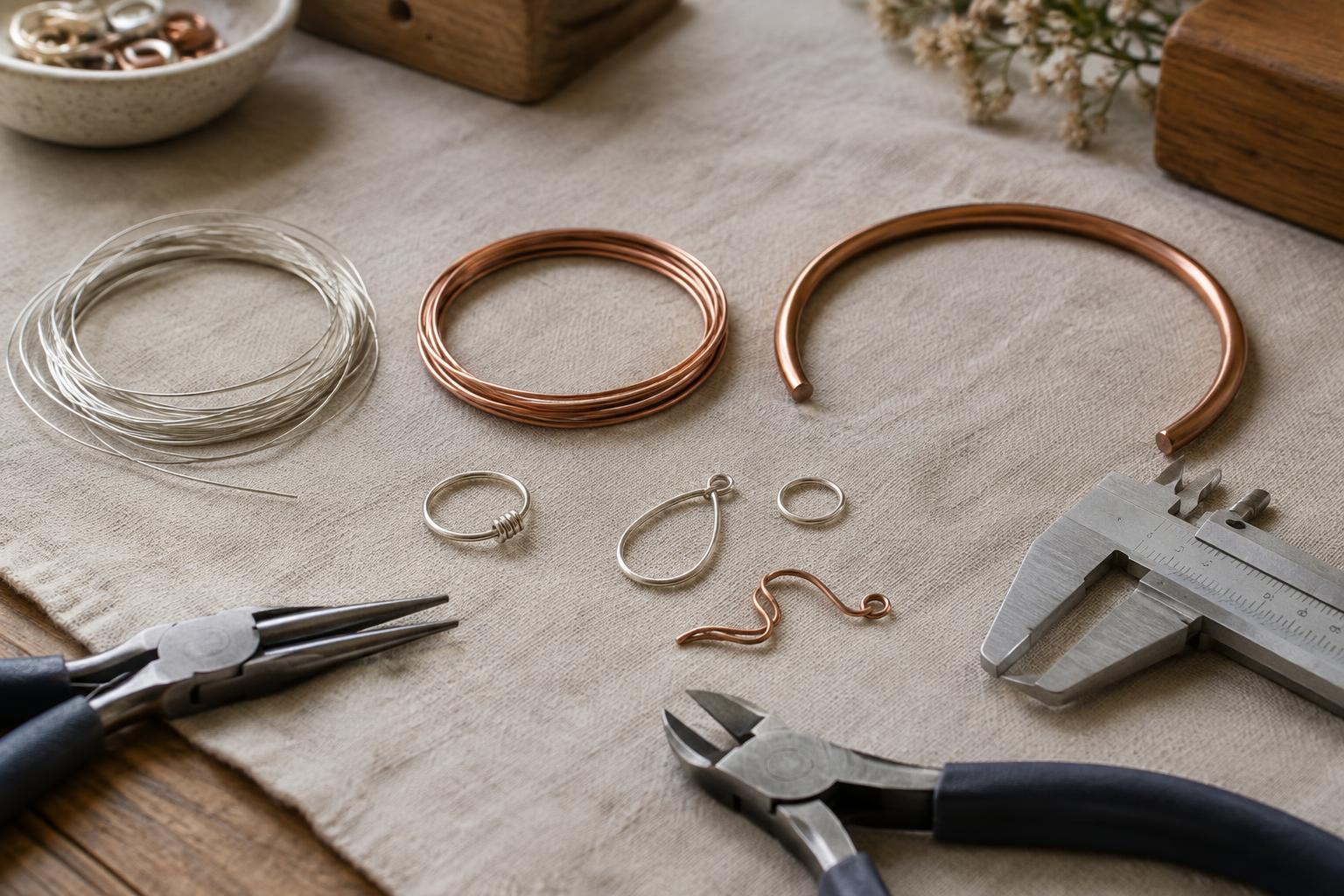
Jewellery and Decorative ArtsWire thickness and hardness affect how a jewellery piece bends, holds its shape and wears over time. Learn how to compare gauges and tempers, then choose wire for common decorative and structural tasks.
Read article · 4 min↗
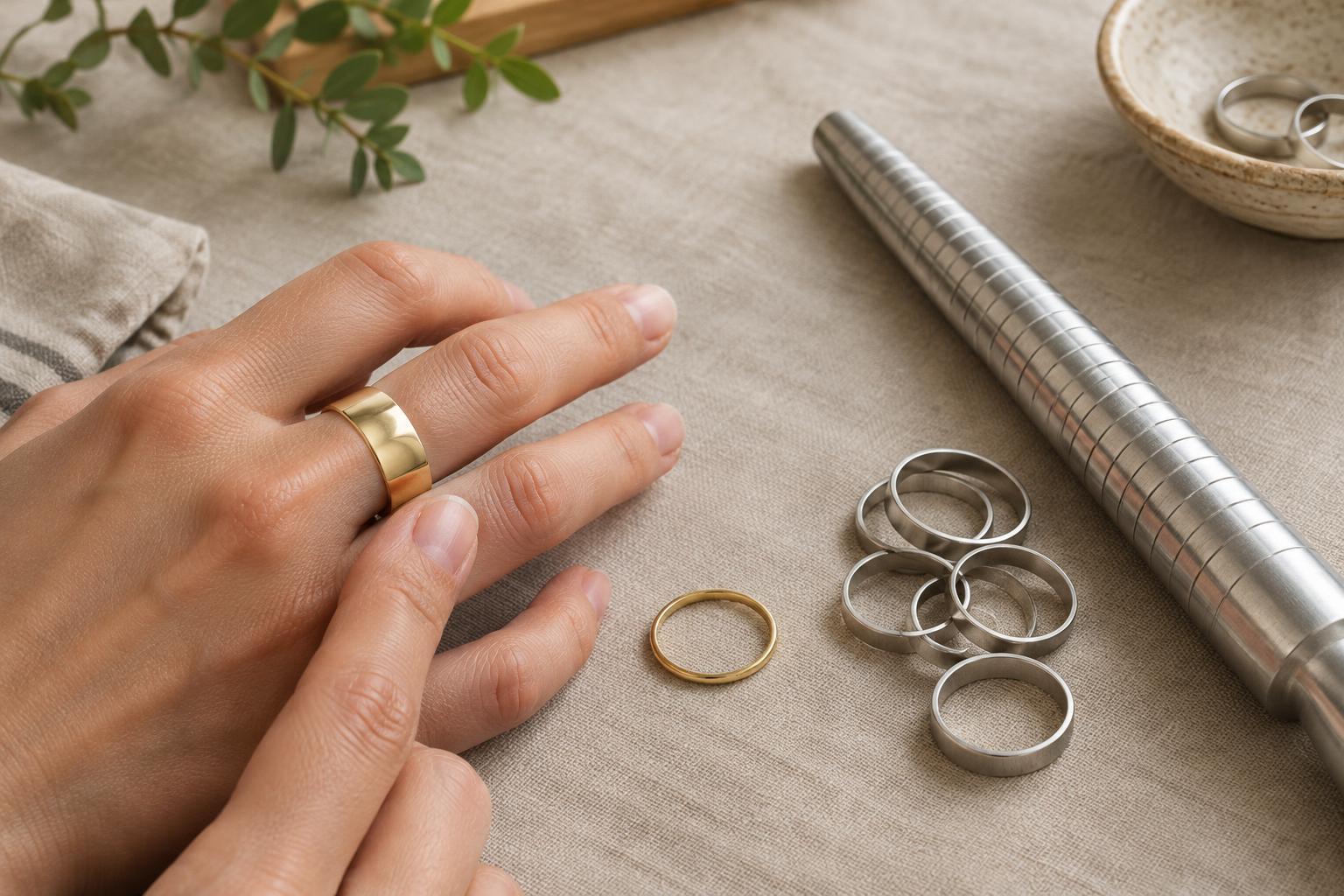
Jewellery and Decorative ArtsA ring should pass over the knuckle without a struggle and sit comfortably at the base of the finger. Learn how to measure a finger or an existing ring, why a wide band can feel tighter, and what to check before choosing a size.
Read article · 4 min↗
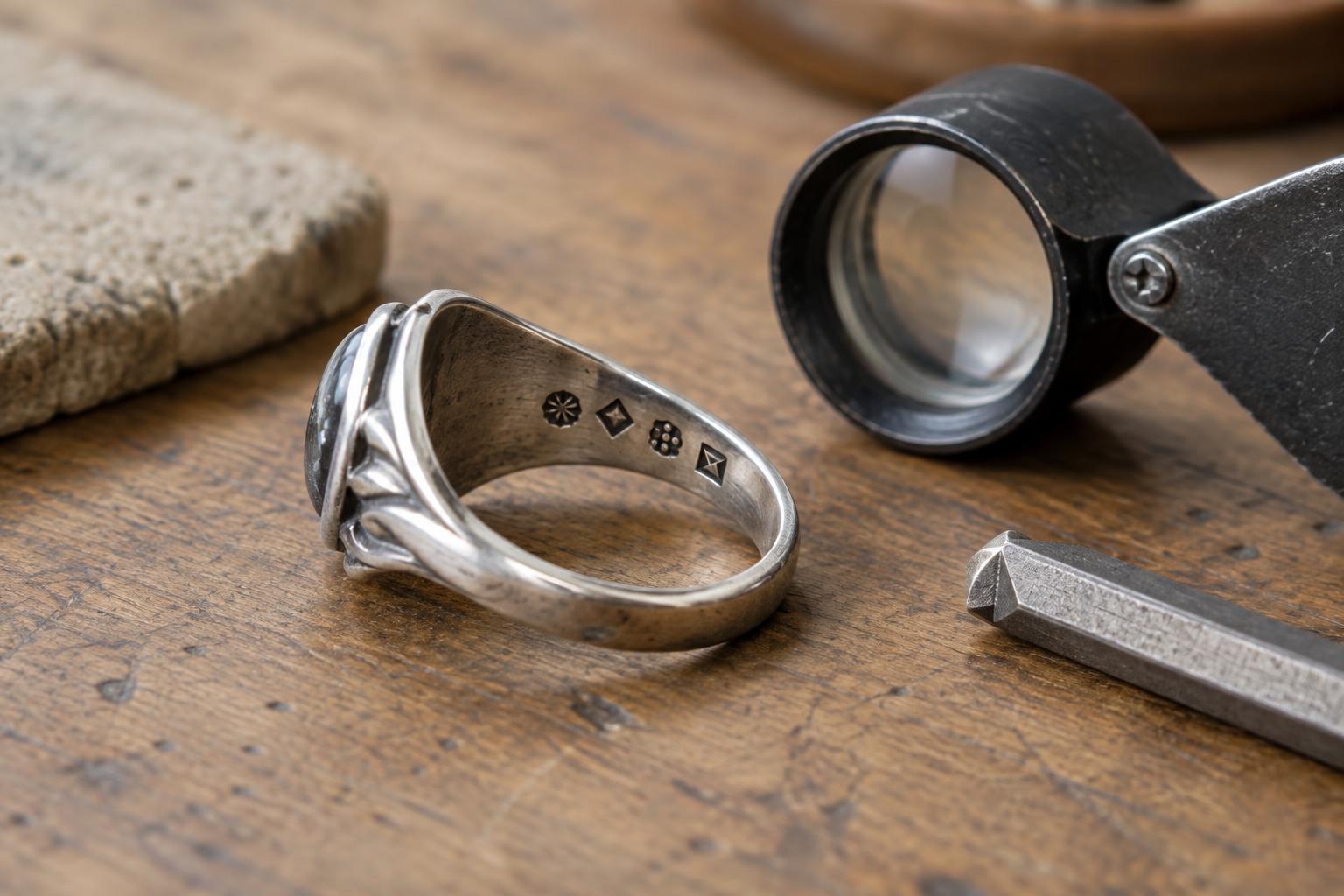
Jewellery and Decorative ArtsA small impression on jewellery can offer a useful clue, but it rarely tells the whole story. Learn how to distinguish marks relating to metal content, maker identity and decoration—and how to read them alongside the object’s construction.
Read article · 4 min↗
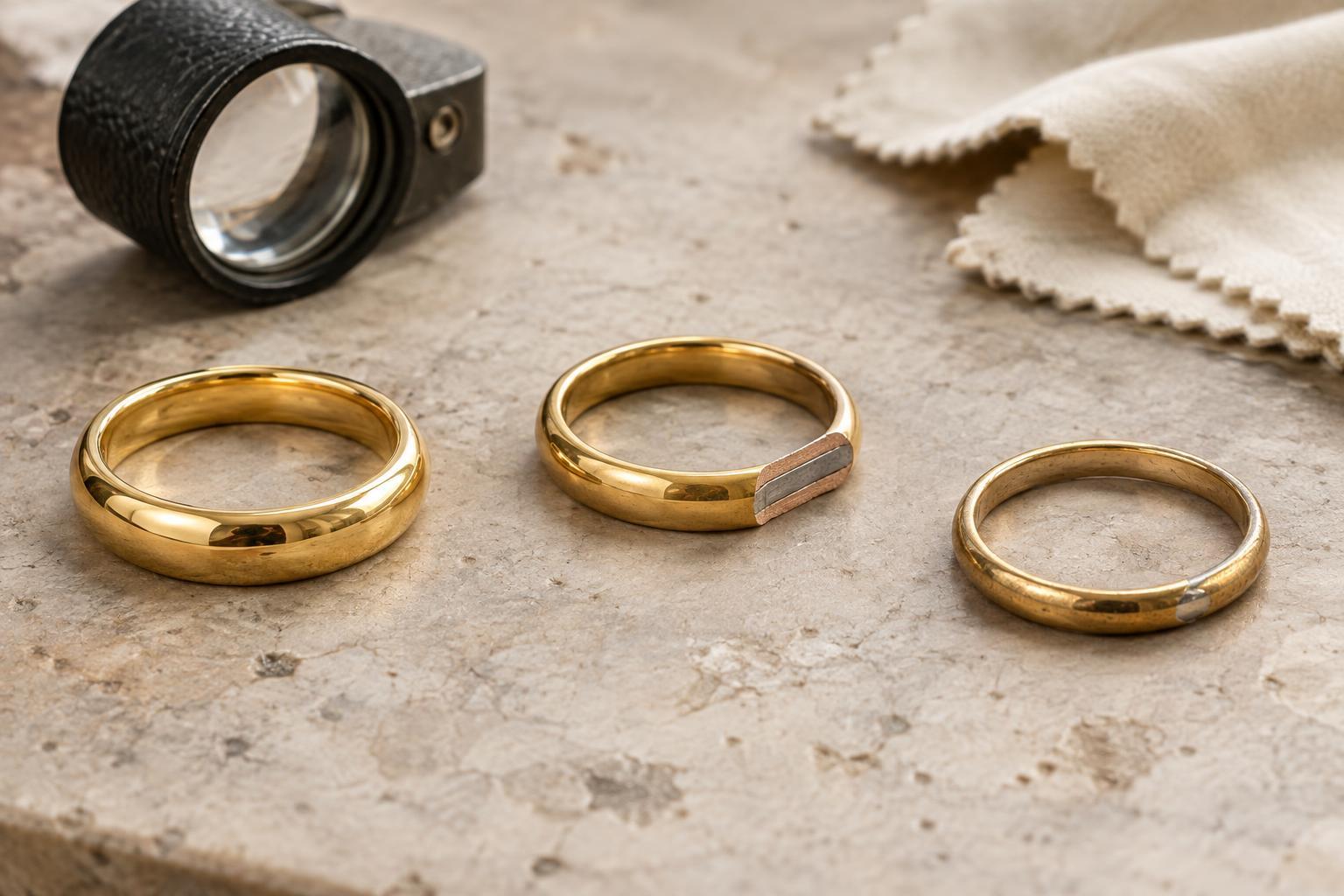
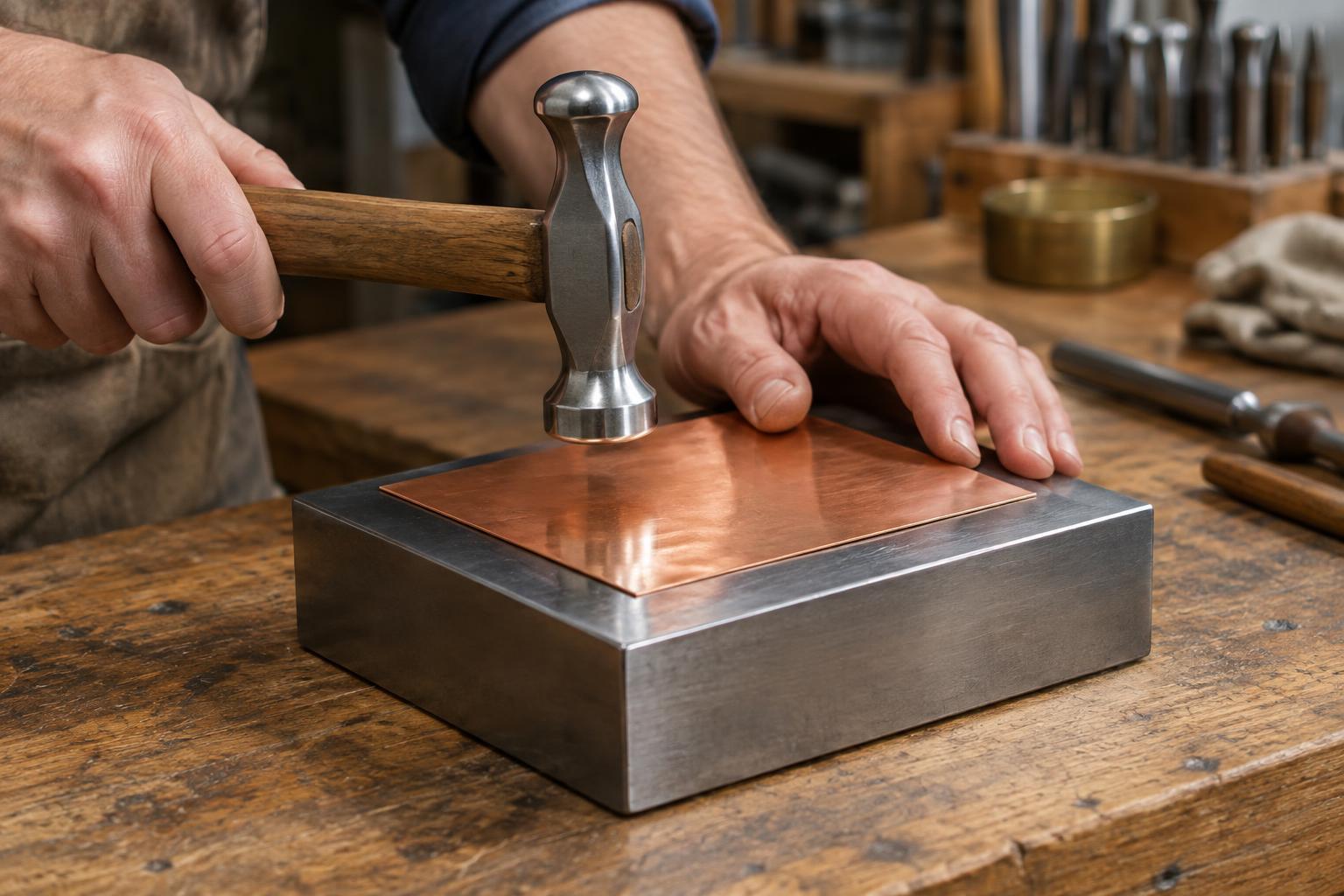
Hand Tools and TechniquesA bench block gives metal a firm surface for flattening, straightening and controlled hammering. Learn how tool surfaces, support and light blows affect the finish, and when a different forming surface is the better choice.
Read article · 4 min↗
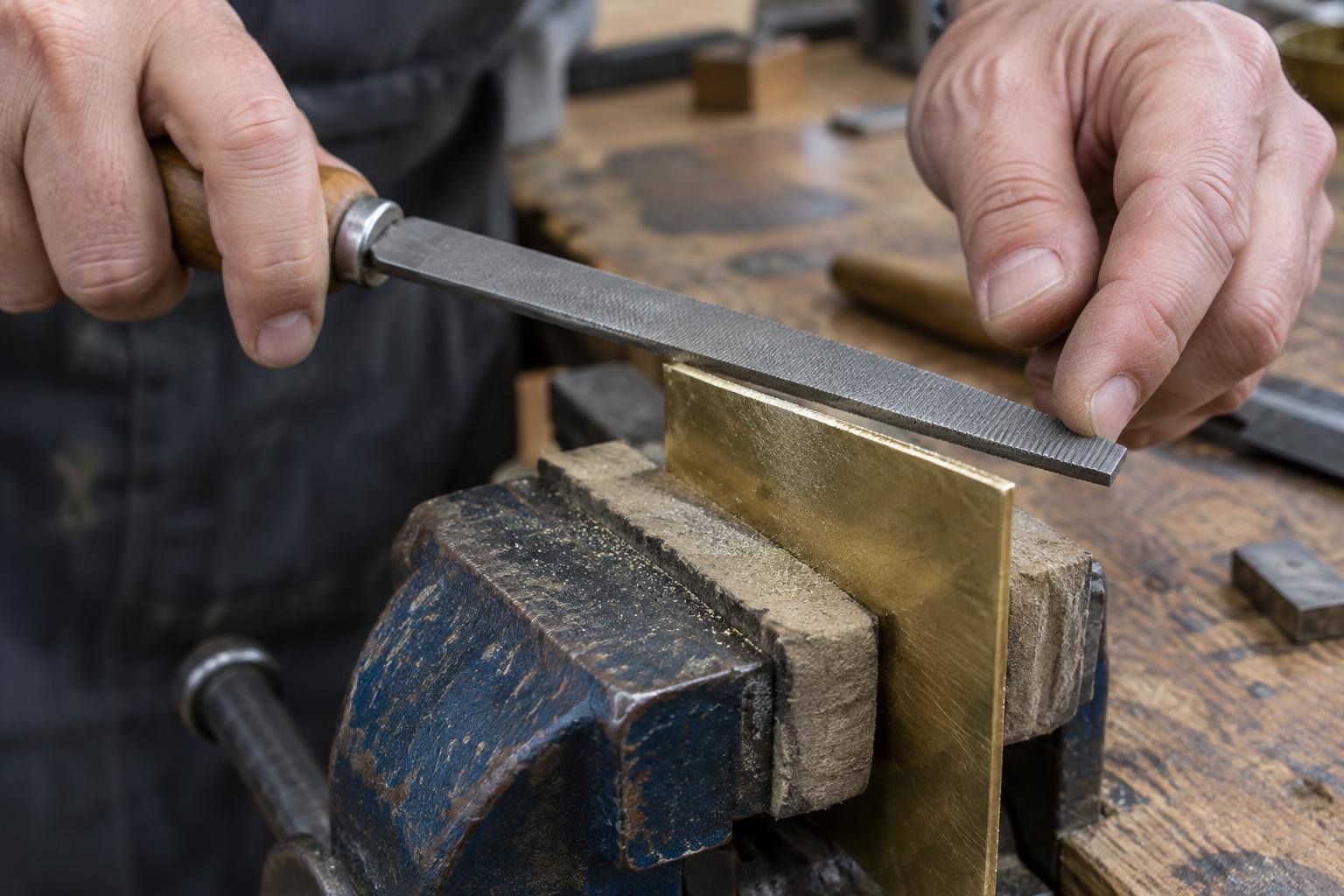
Hand Tools and TechniquesA practical guide to making a cut metal edge straight, even and comfortable to handle. Learn how to choose a hand file, support the work, use a controlled cutting stroke and remove the small burr left behind.
Read article · 4 min↗
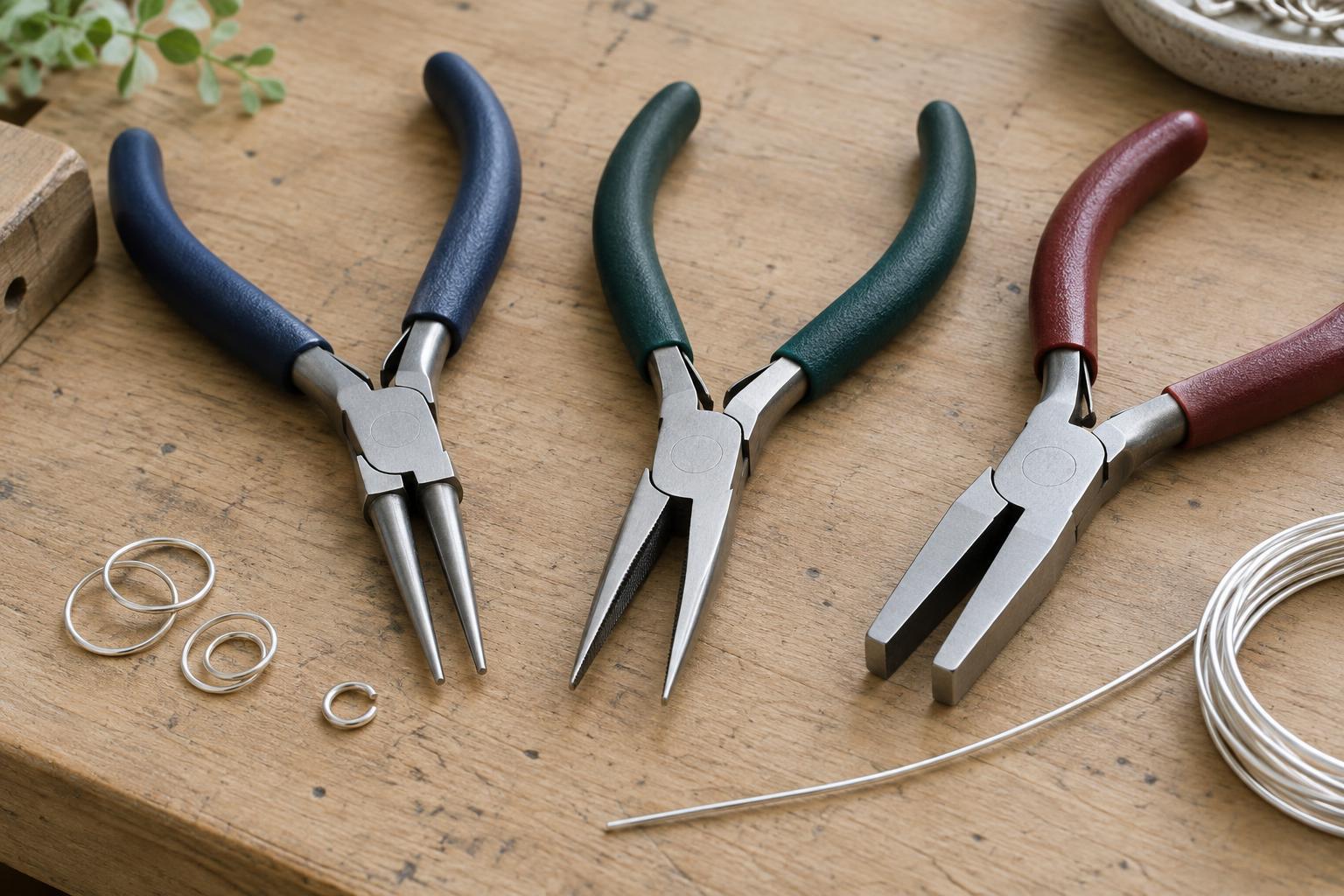
Hand Tools and TechniquesThese three pliers may look similar in a tool tray, but their jaw shapes do different jobs. Learn which pair to use for loops, bends and jump rings, and how to avoid marking delicate wire and findings.
Read article · 4 min↗
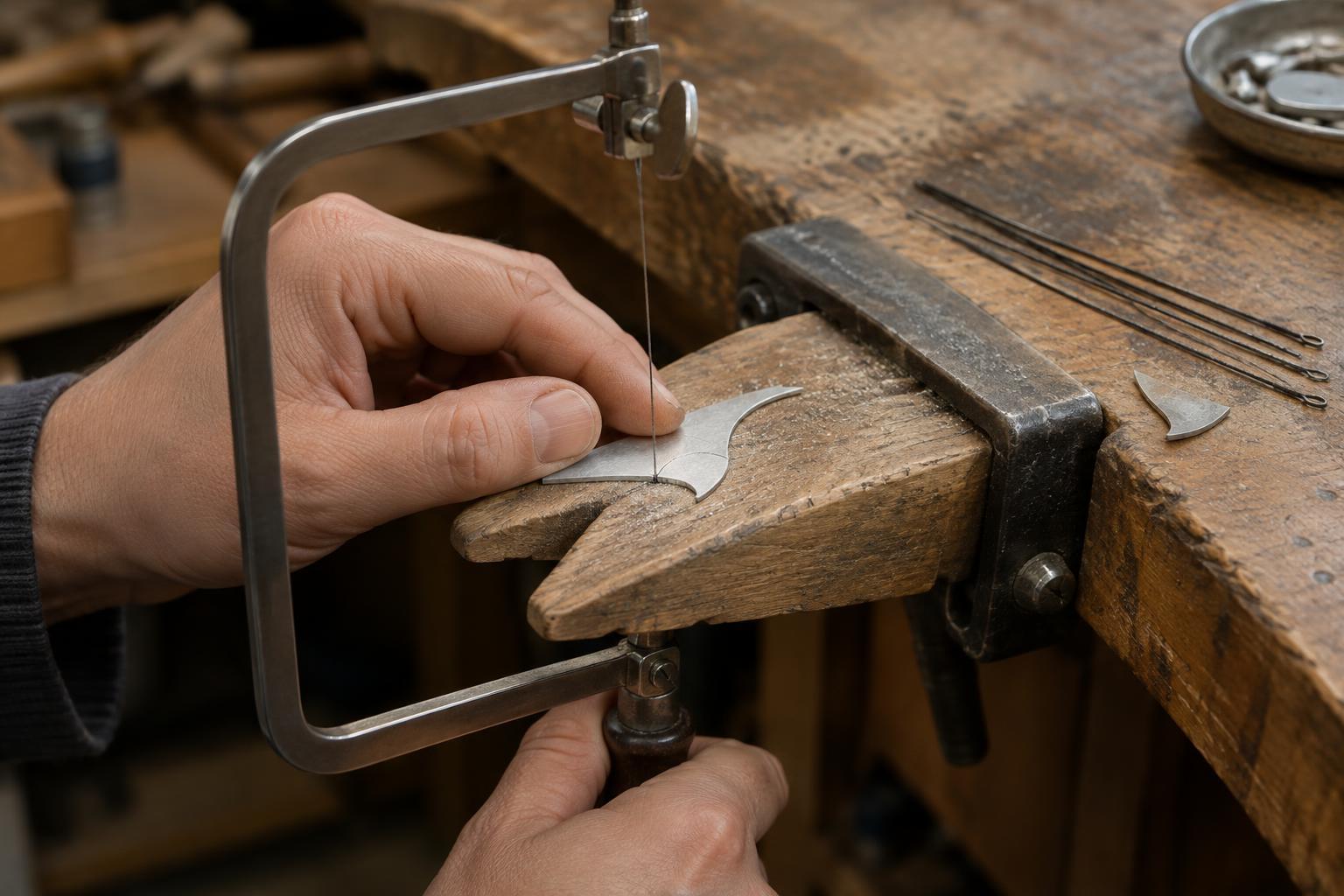
Hand Tools and TechniquesA jeweller’s saw can make delicate cuts in sheet metal, but good results depend on blade choice, tension and control. Learn how to select a suitable blade, set up your saw and guide it through tight curves without forcing the cut.
Read article · 4 min↗
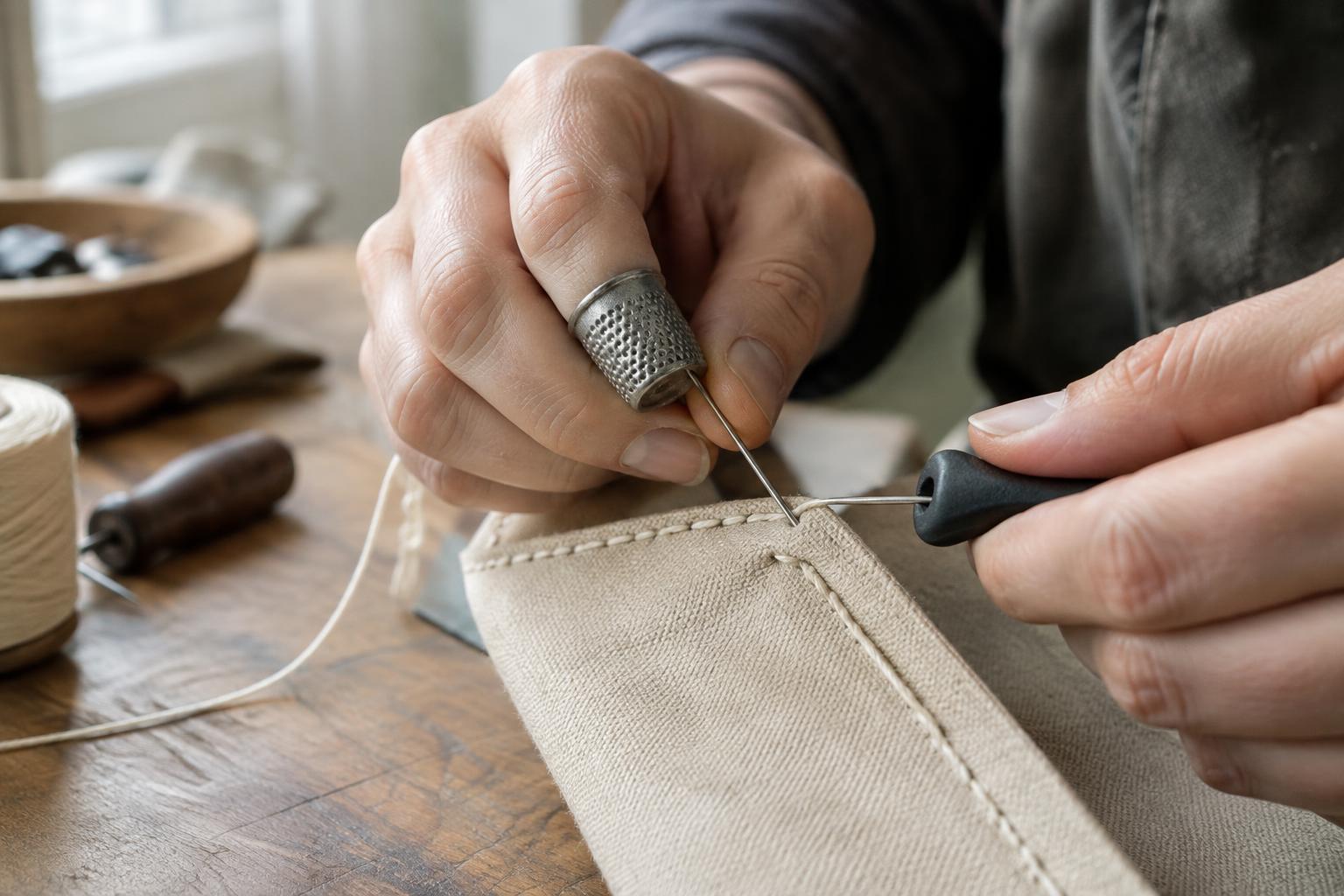
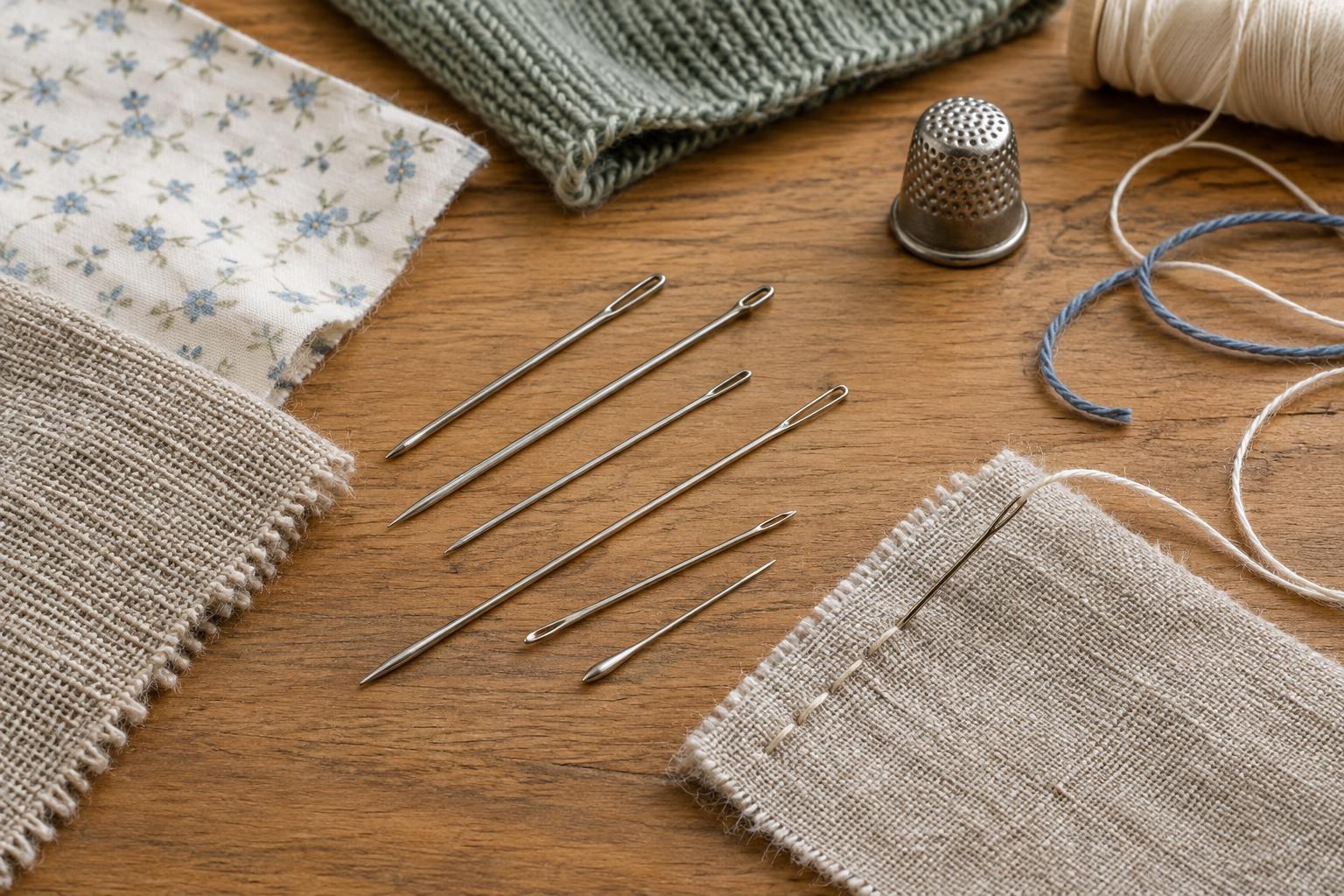
Hand Tools and TechniquesA useful hand-sewing needle must pass through the fabric without damaging it and carry the thread without excessive friction. Learn how point, eye, length and thickness affect stitching, and how to test a needle before committing to a project.
Read article · 4 min↗
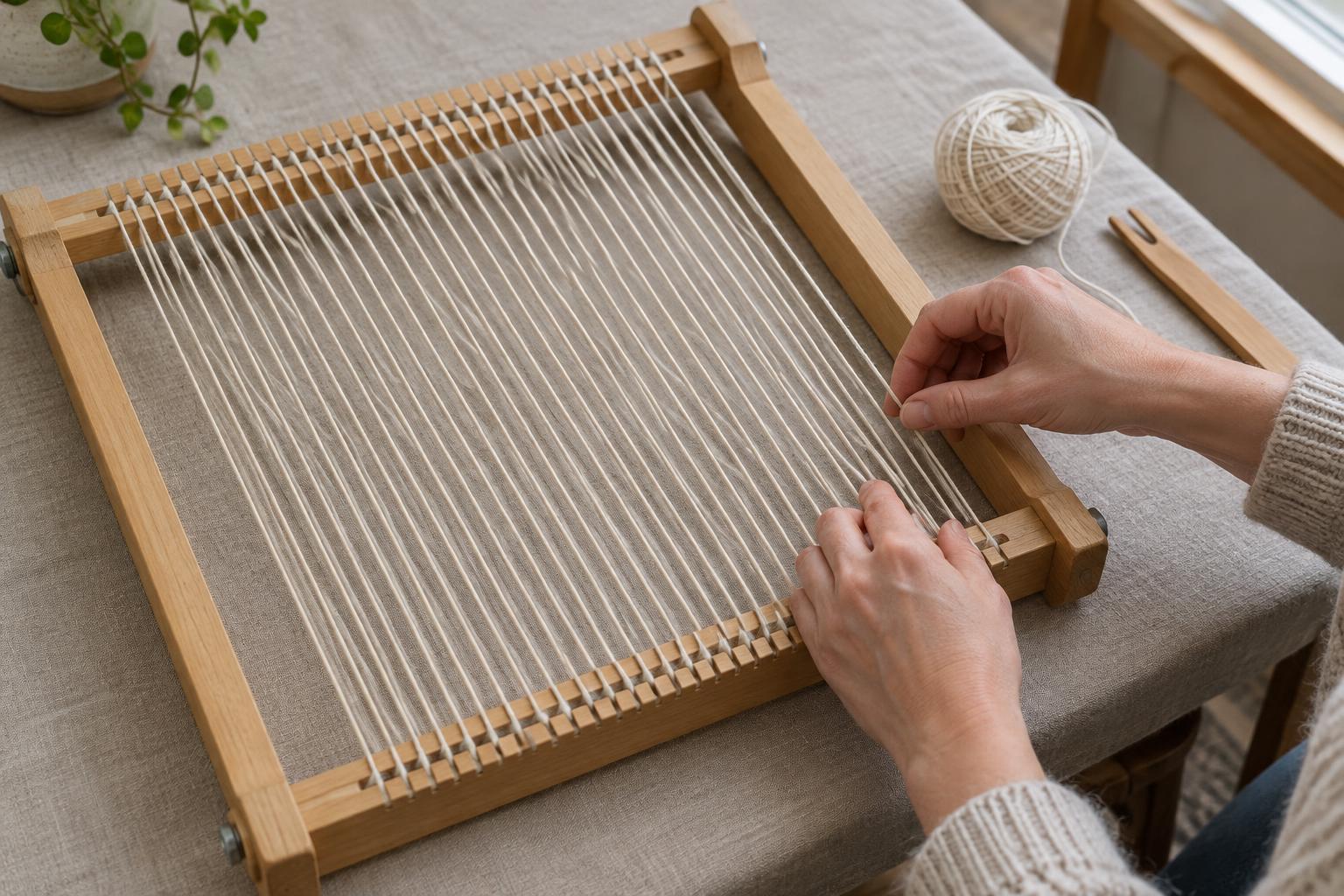
Hand Tools and TechniquesEven warp tension makes a frame loom easier to weave on and helps keep the cloth more consistent. Learn how to prepare the frame, wind the warp, check for uneven strands and make small corrections before weaving.
Read article · 4 min↗
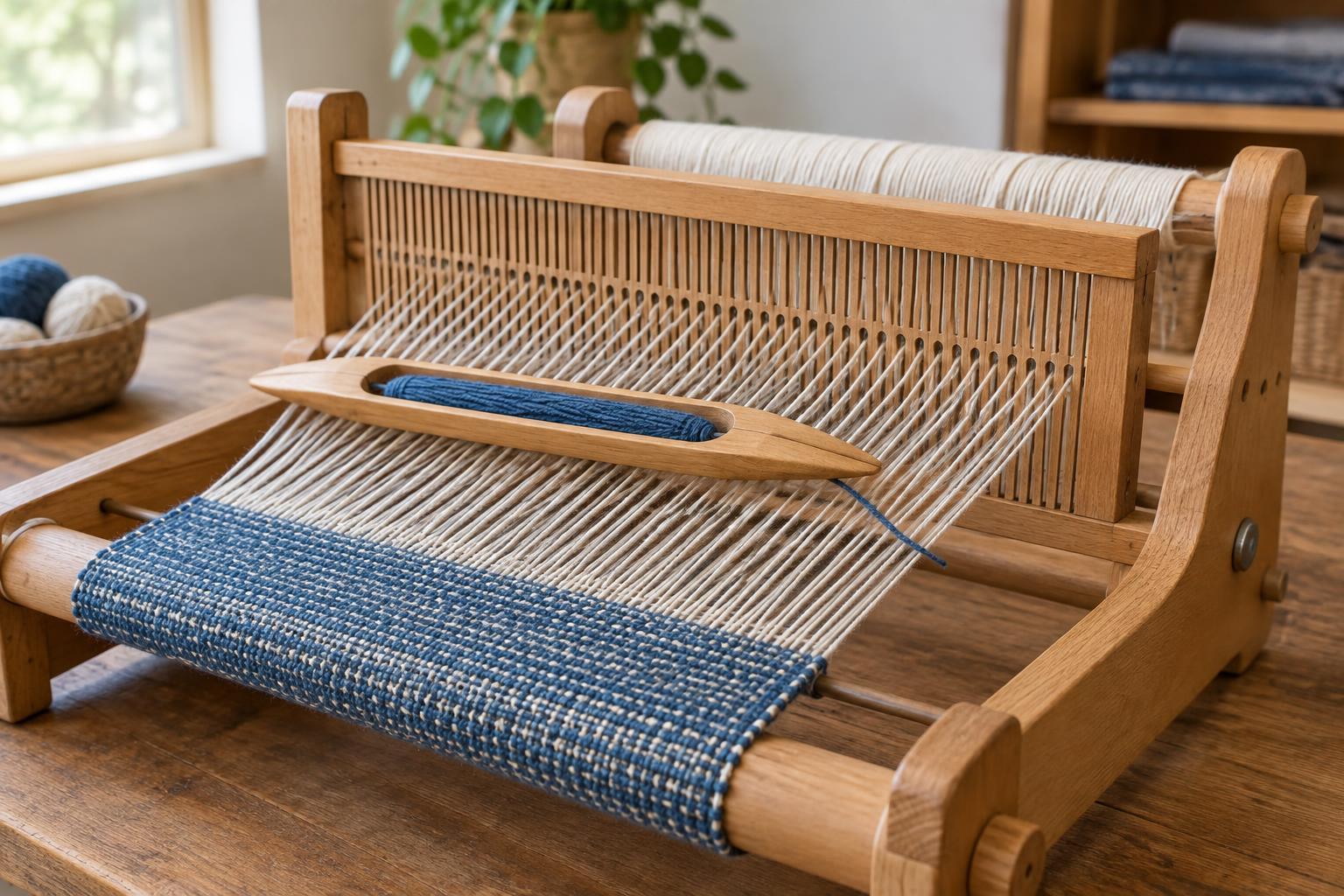
Hand Tools and TechniquesA frame loom can be as simple as a wooden frame with warp threads stretched across it. Larger or more elaborate looms add parts that manage tension, separate threads and pack each row of weaving. Learn what the warp beam, heddles, reed and shuttle do—and why a basic frame loom may not have all four.
Read article · 4 min↗
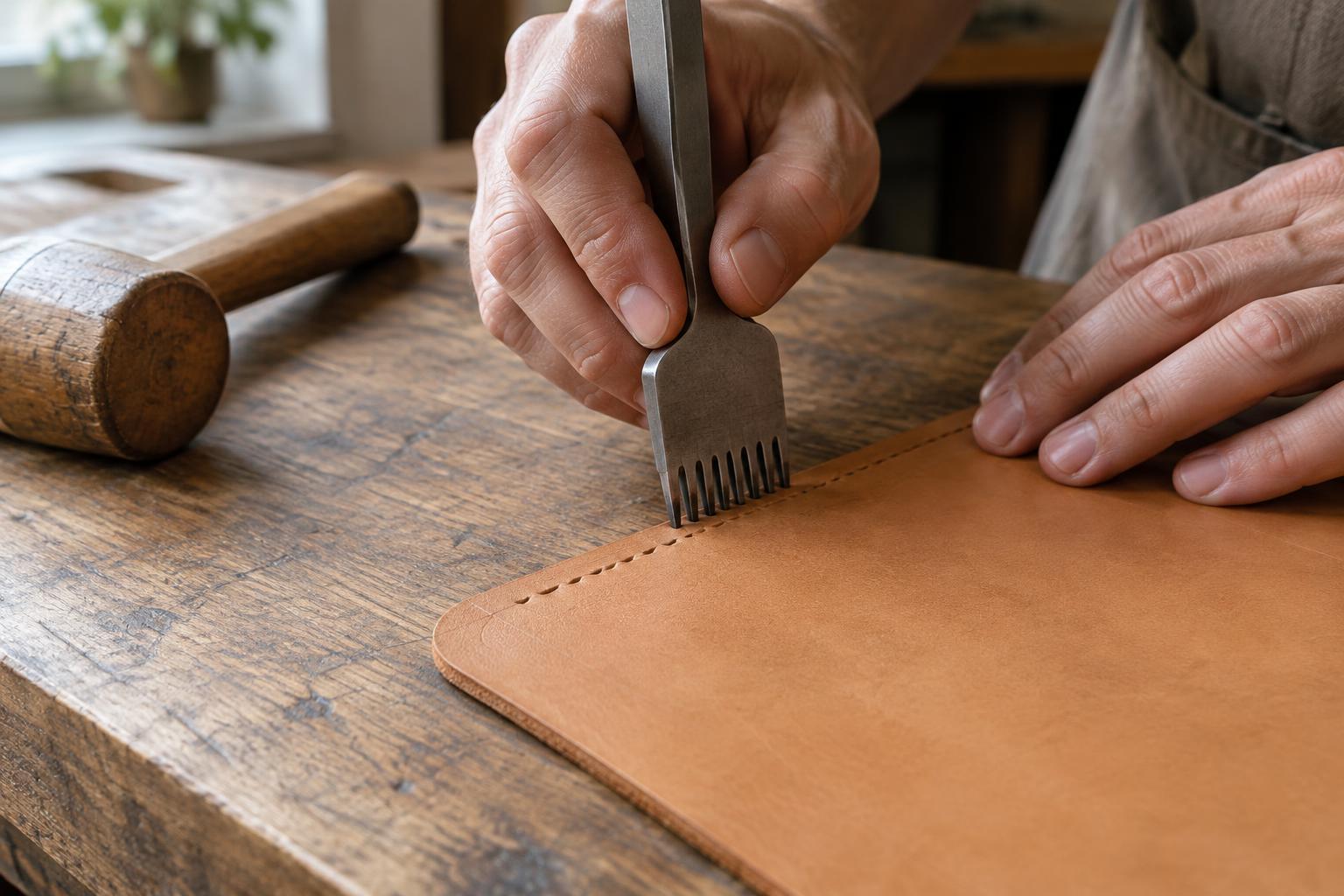
Hand Tools and TechniquesPricking irons help you lay out evenly spaced hand stitches, but a tidy seam also depends on a sound stitch line, steady tool placement and careful work around corners. Learn how to choose a spacing, mark straight runs and curves, and avoid common alignment problems.
Read article · 4 min↗
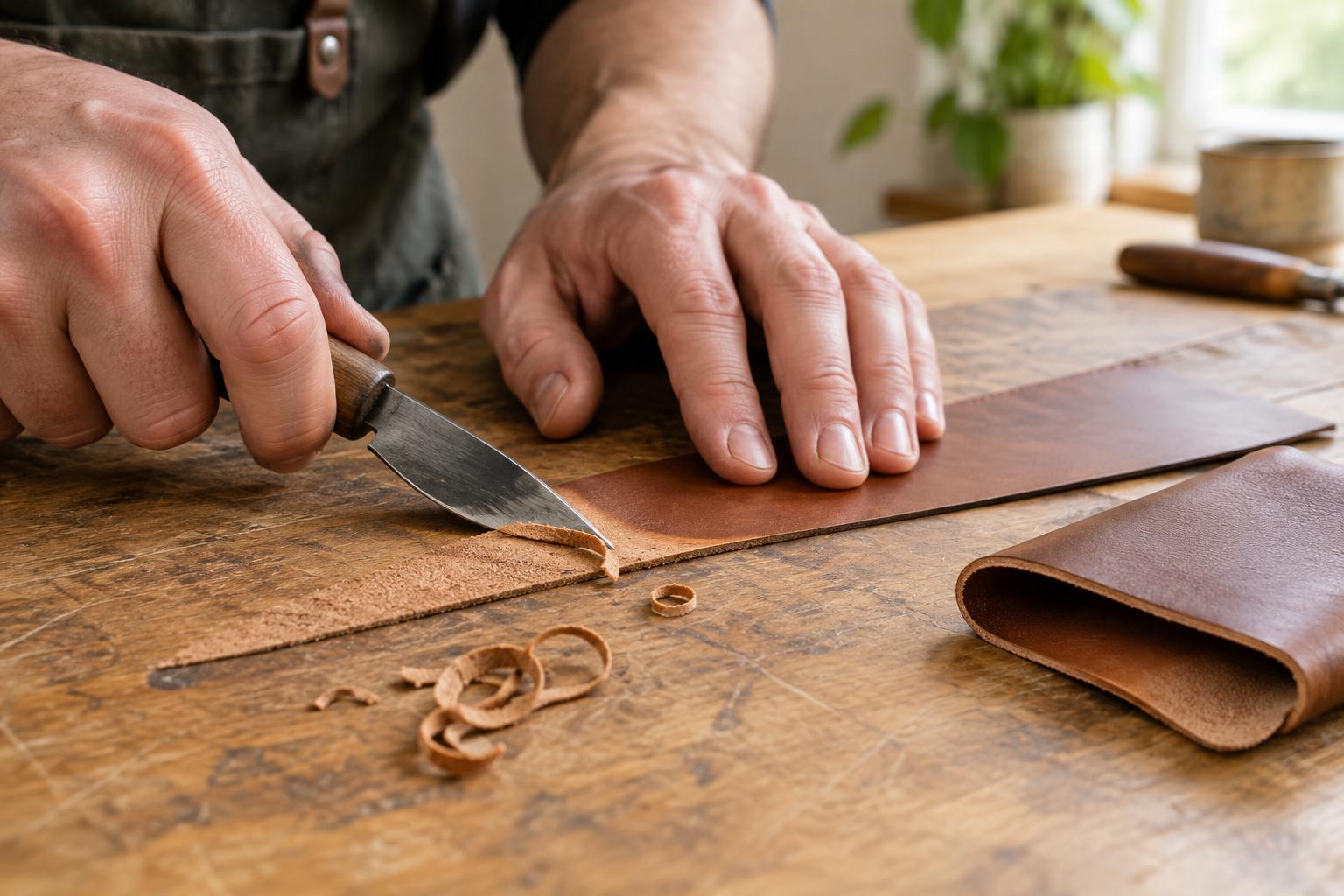
Hand Tools and TechniquesSkiving removes thickness from the back of leather so folds, edges and overlapping joins sit more neatly. Learn where to thin, how to make controlled cuts and when to stop before the leather becomes too weak.
Read article · 4 min↗
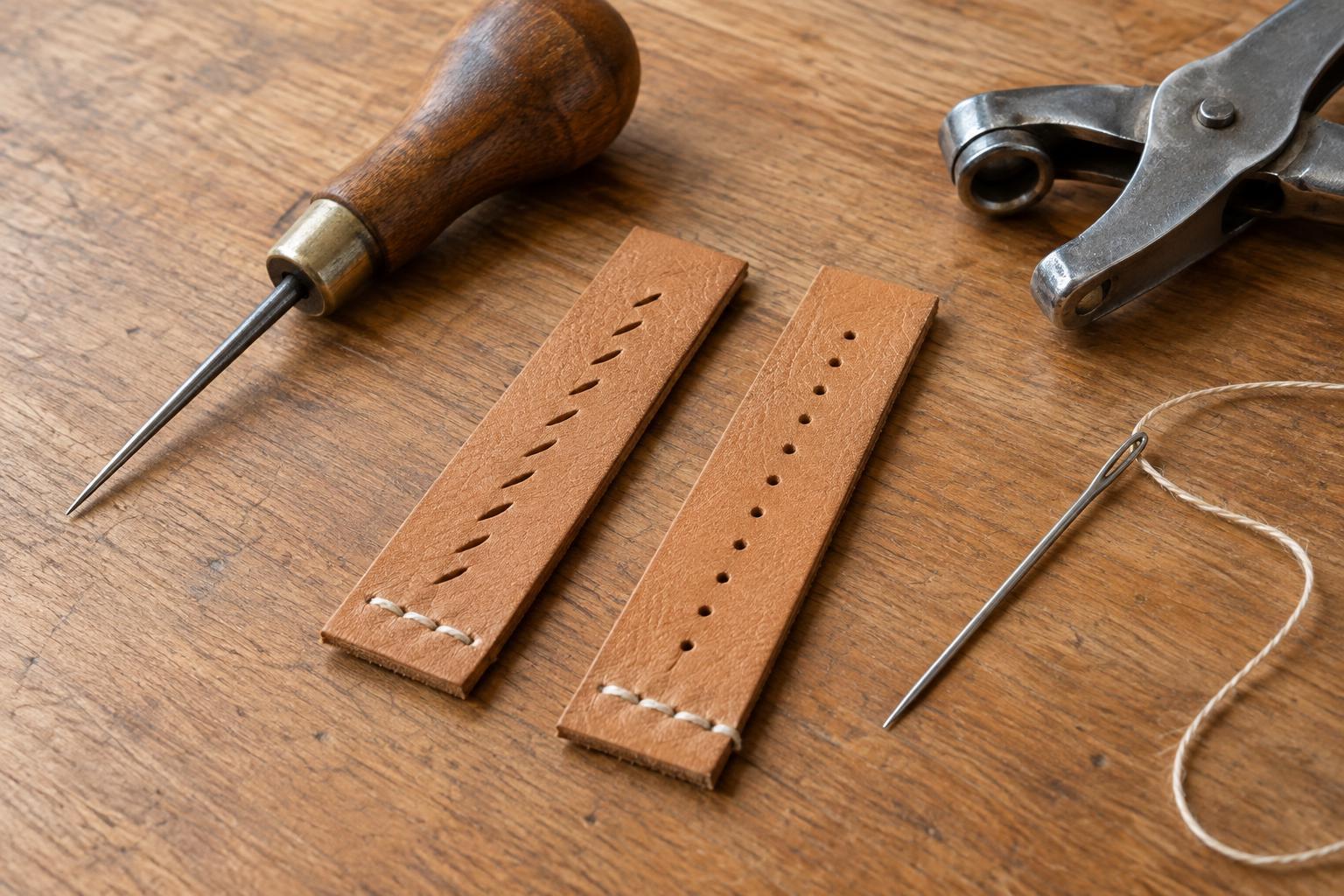
Hand Tools and TechniquesAn awl and a hole punch can both prepare leather for hand stitching, but they leave different openings. Learn how hole shape influences the look of a seam, how easily a needle passes through, and which tool suits your project.
Read article · 4 min↗
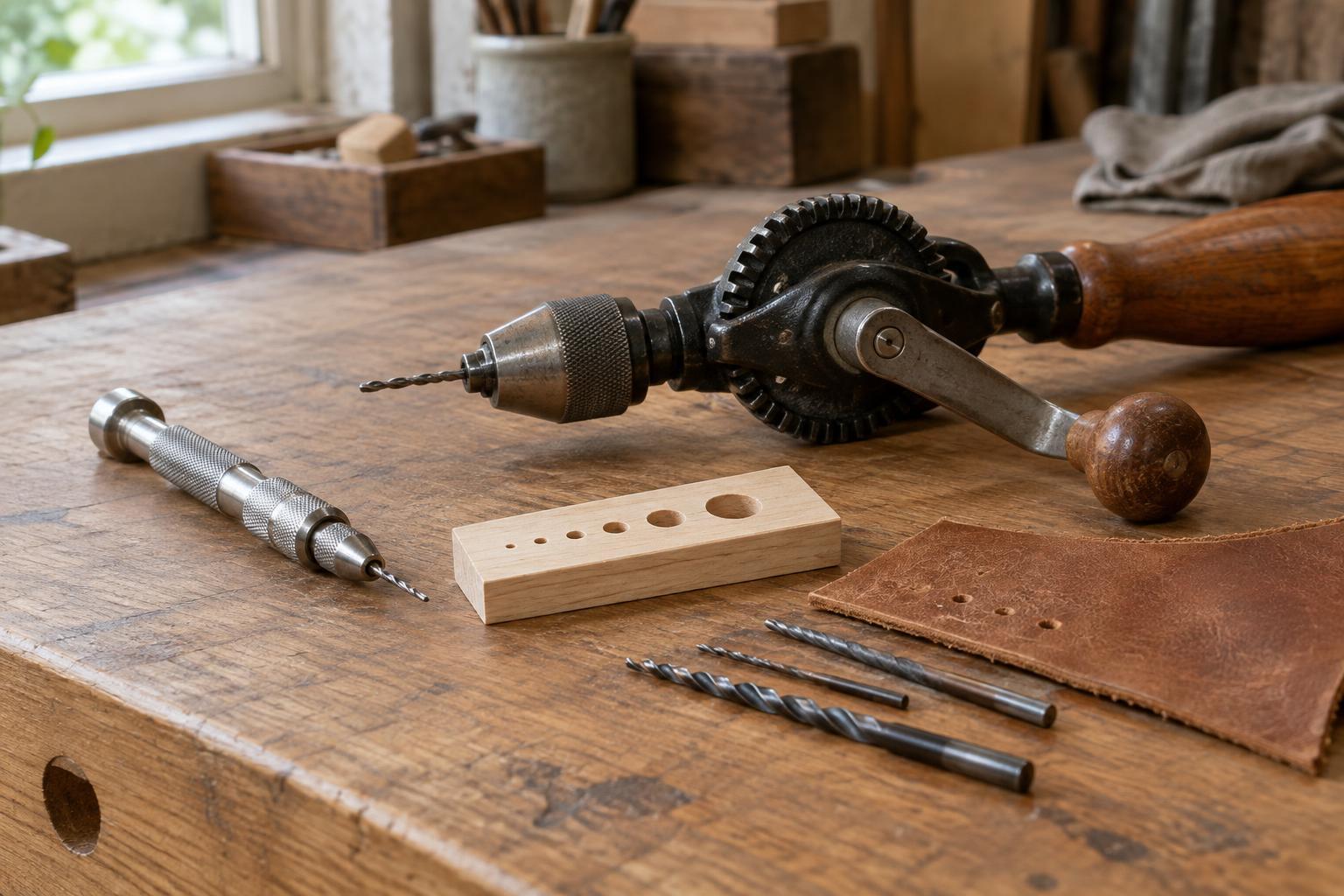
Hand Tools and TechniquesA pin vise offers close control for tiny holes, while a geared hand drill can make larger or repeated holes with less effort. Learn how their grips, speed and bit sizes affect work in wood, leather, metal and other craft materials.
Read article · 4 min↗
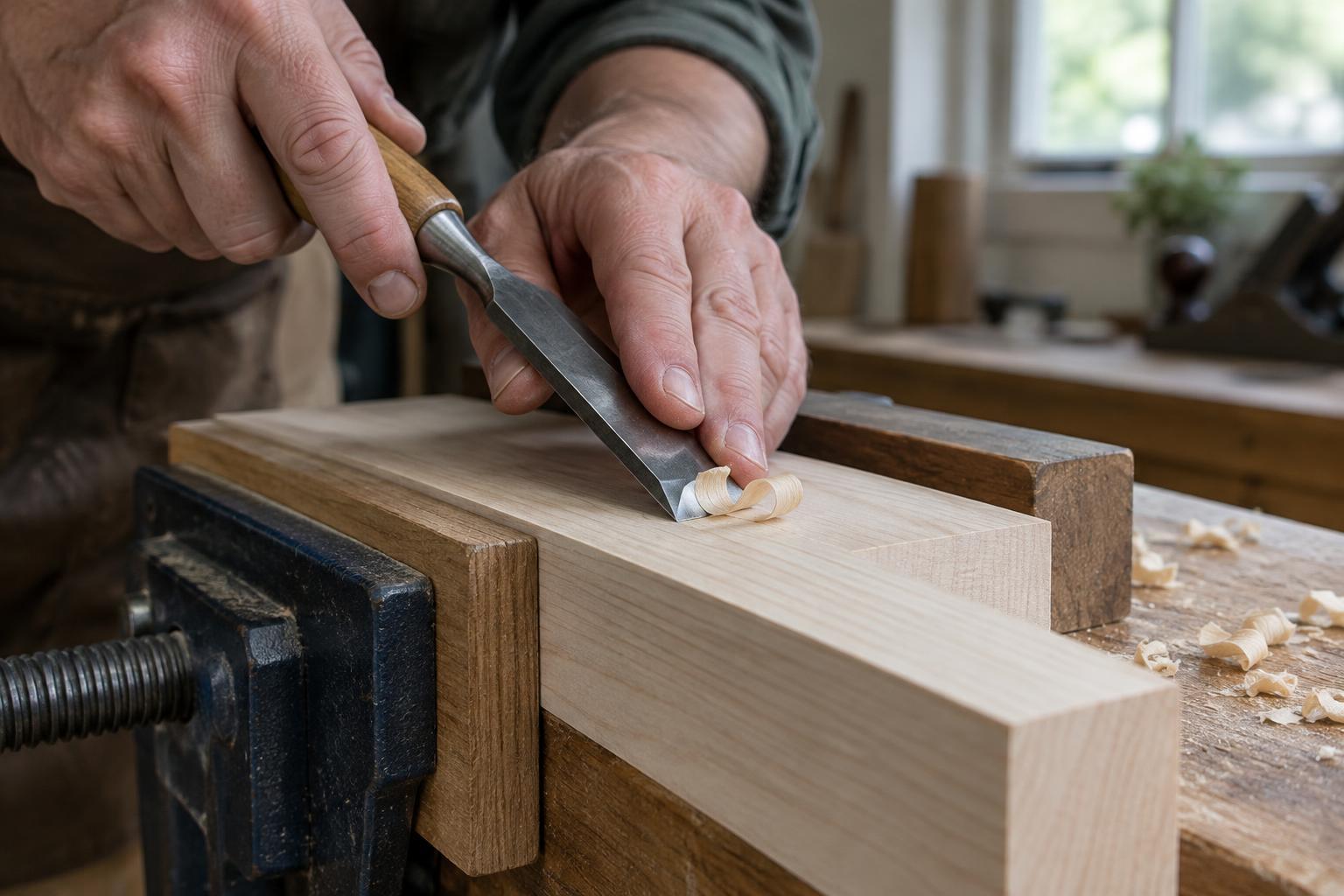
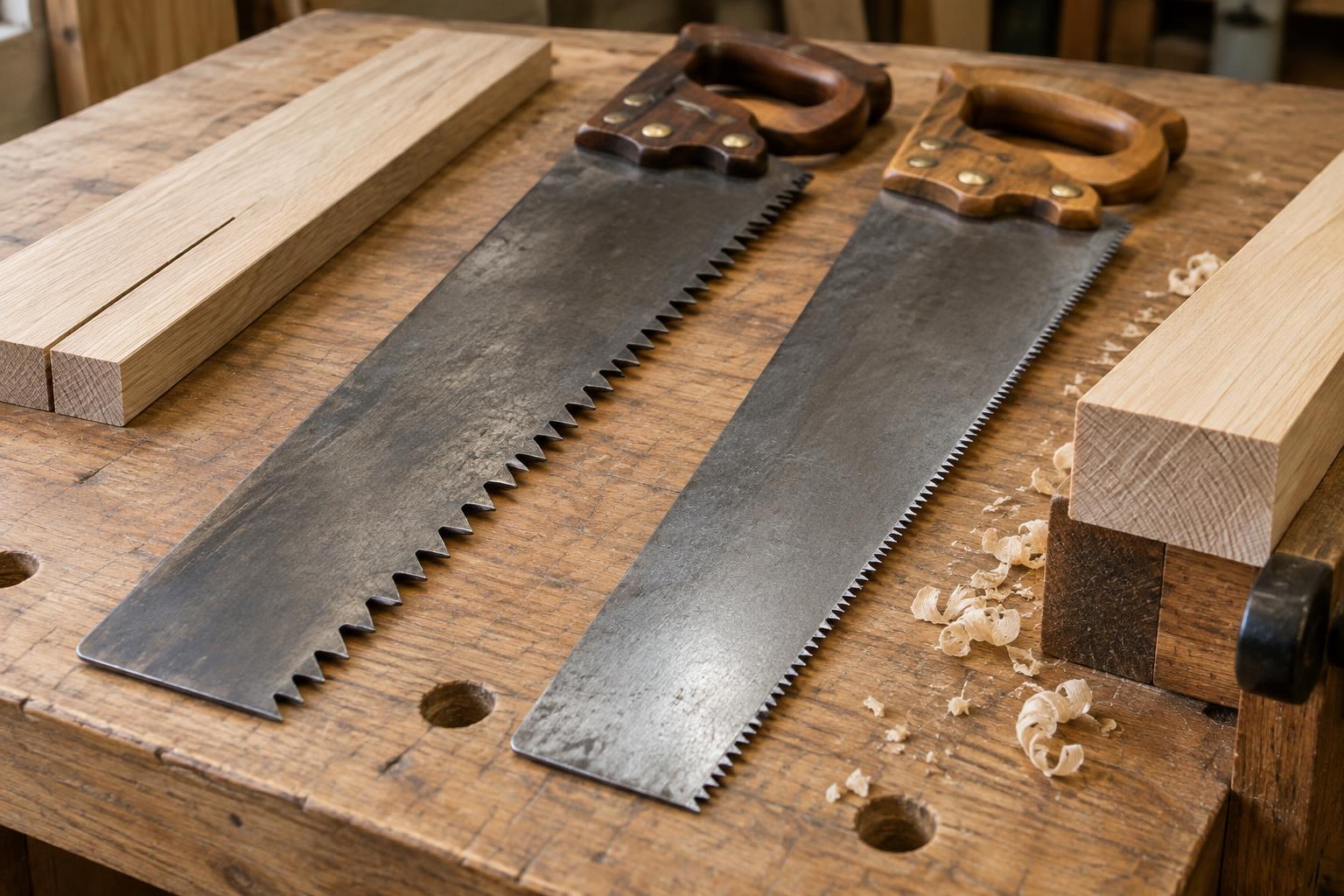
Hand Tools and TechniquesRip and crosscut saw teeth are shaped for different directions of cut. Learn how to recognise each pattern, choose a useful saw and make cleaner cuts by supporting the work and letting the teeth do their job.
Read article · 4 min↗
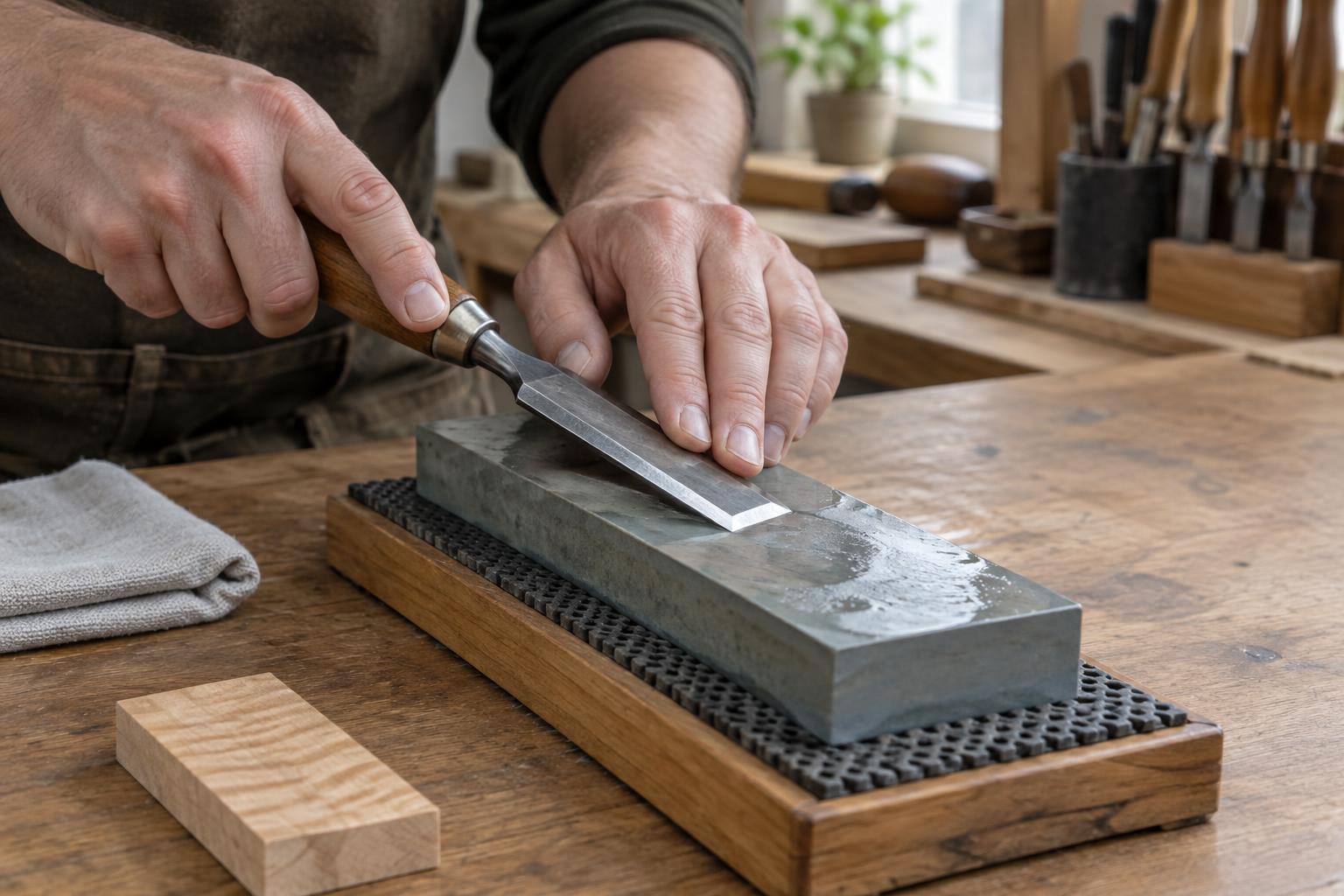
Hand Tools and TechniquesA sharp edge is easier to control than one that needs extra force. Learn how to identify a chisel or craft knife’s bevel, hone it with steady pressure, remove the burr and check the result safely.
Read article · 4 min↗
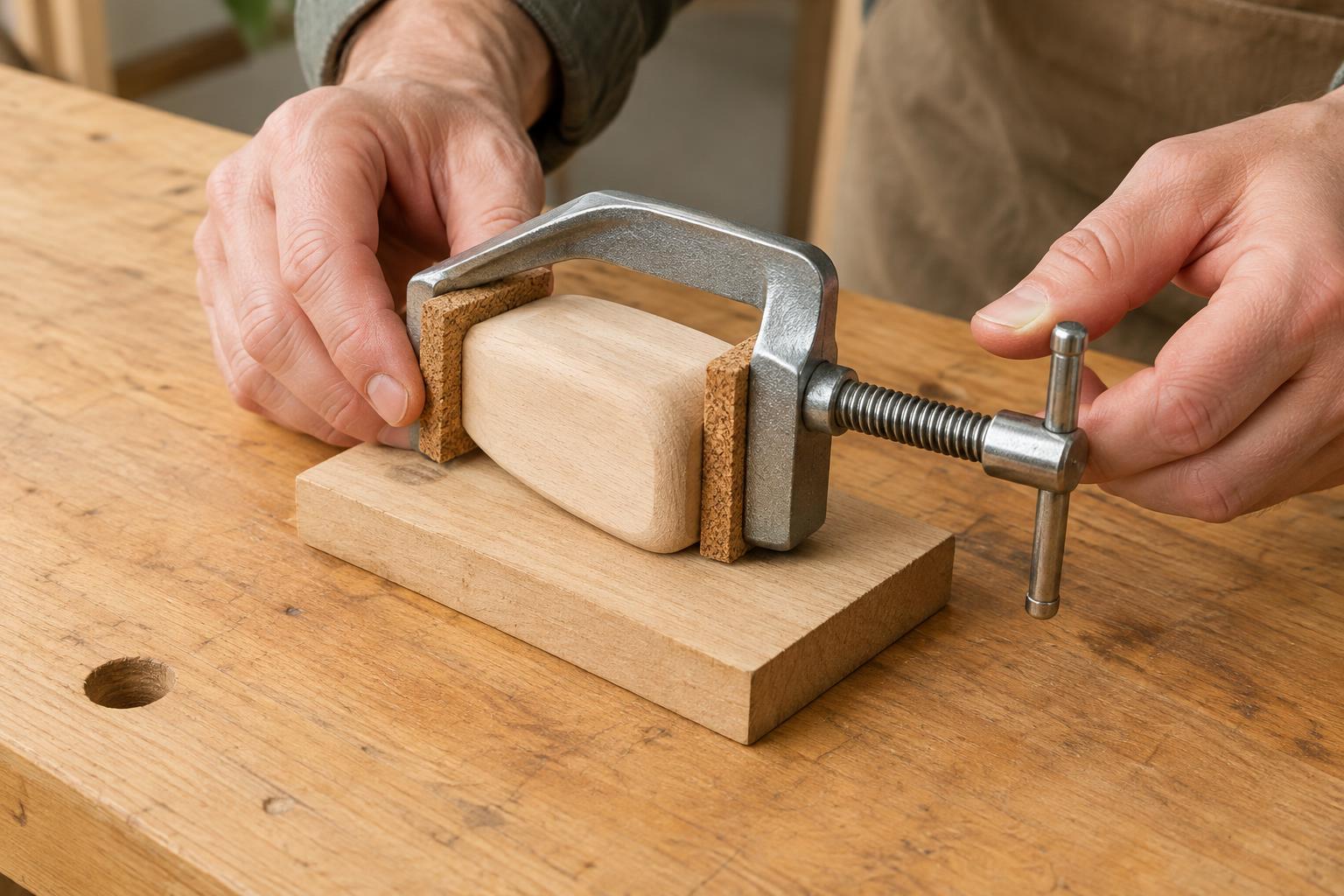
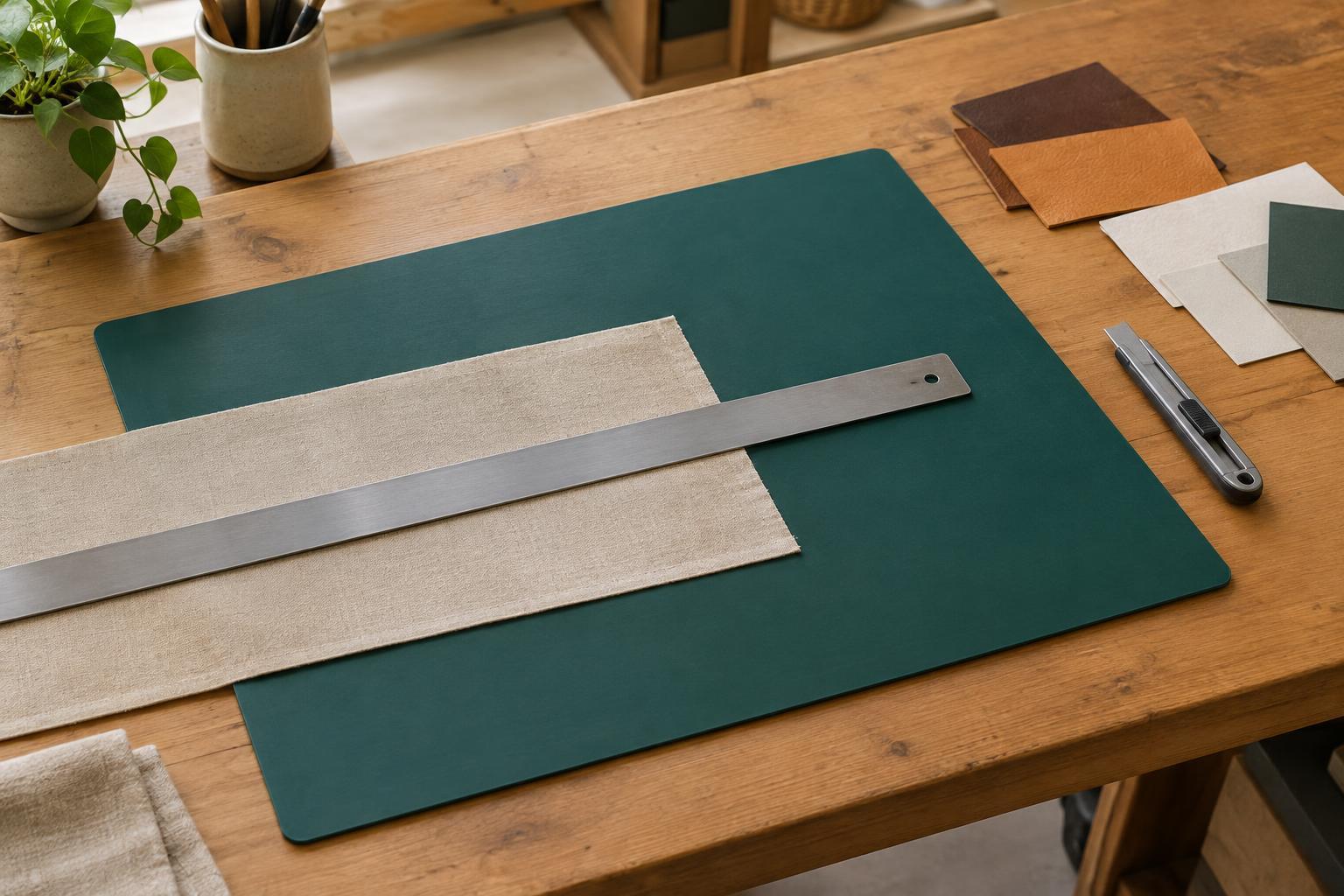
Hand Tools and TechniquesA reliable cutting station helps you make cleaner cuts while keeping blades, hands and work surfaces under control. Learn how to choose a mat and straightedge, arrange your workspace, and build safer habits for cutting fabric, paper, leather and other craft materials.
Read article · 4 min↗
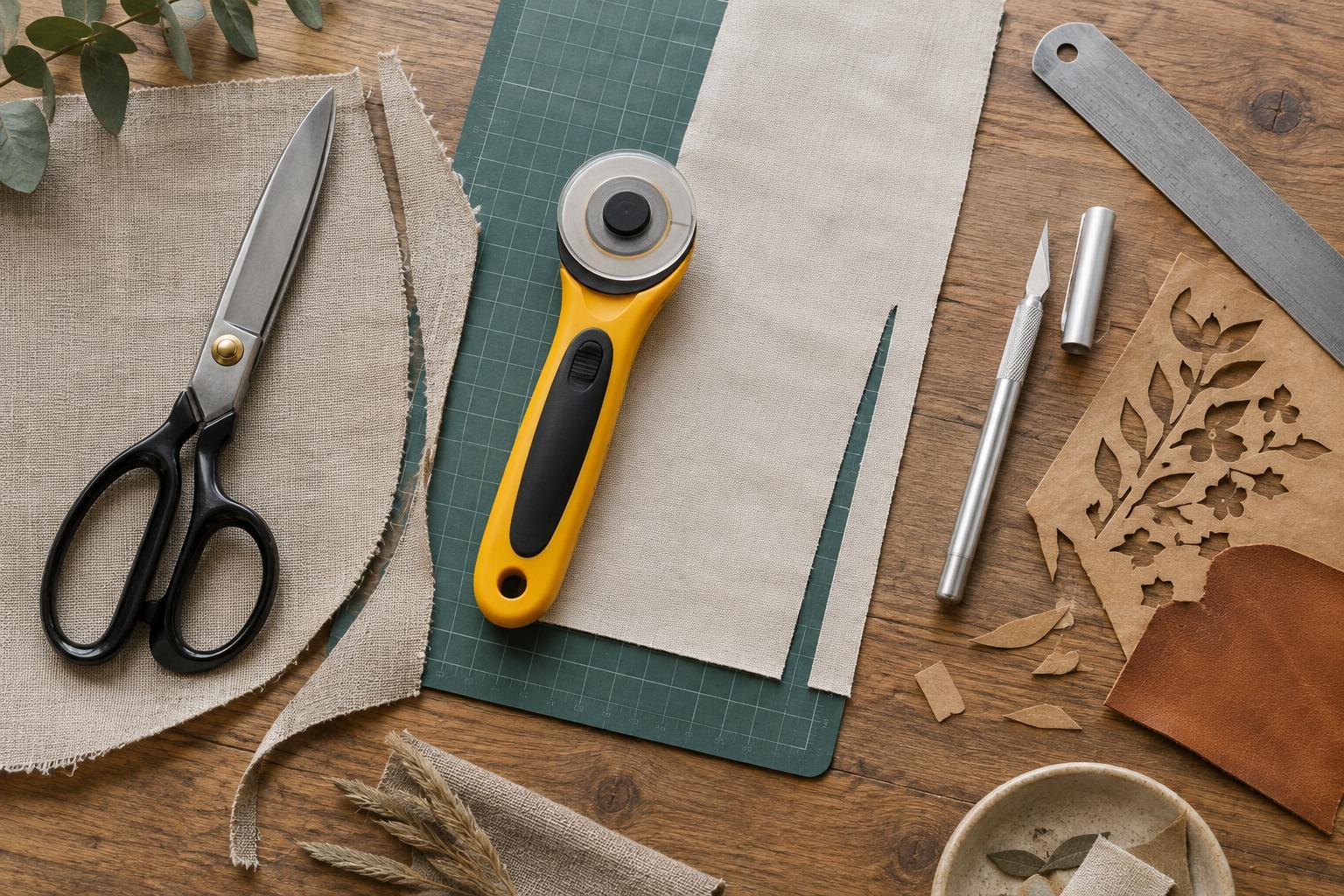
Hand Tools and TechniquesA practical guide to choosing a cutting tool for fabric, leather, paper and other craft materials. Learn where scissors, rotary cutters and craft knives excel, when they struggle, and how to make cleaner, safer cuts.
Read article · 5 min↗
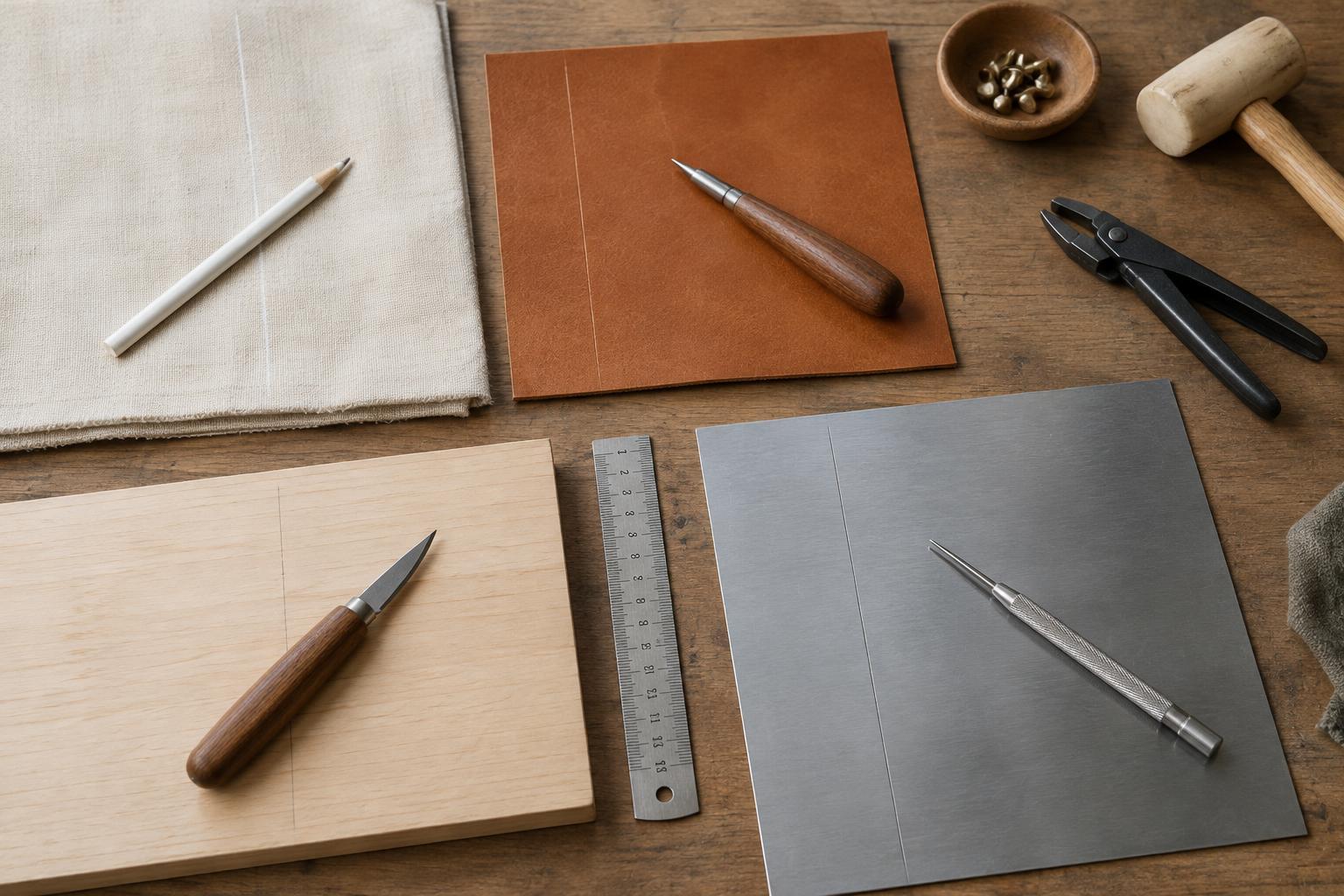
Hand Tools and TechniquesA good layout mark is easy to see while you work and easy to remove—or deliberately keep—when the work is done. Learn how to choose marking tools for four common craft materials and test them before committing to a project.
Read article · 4 min↗
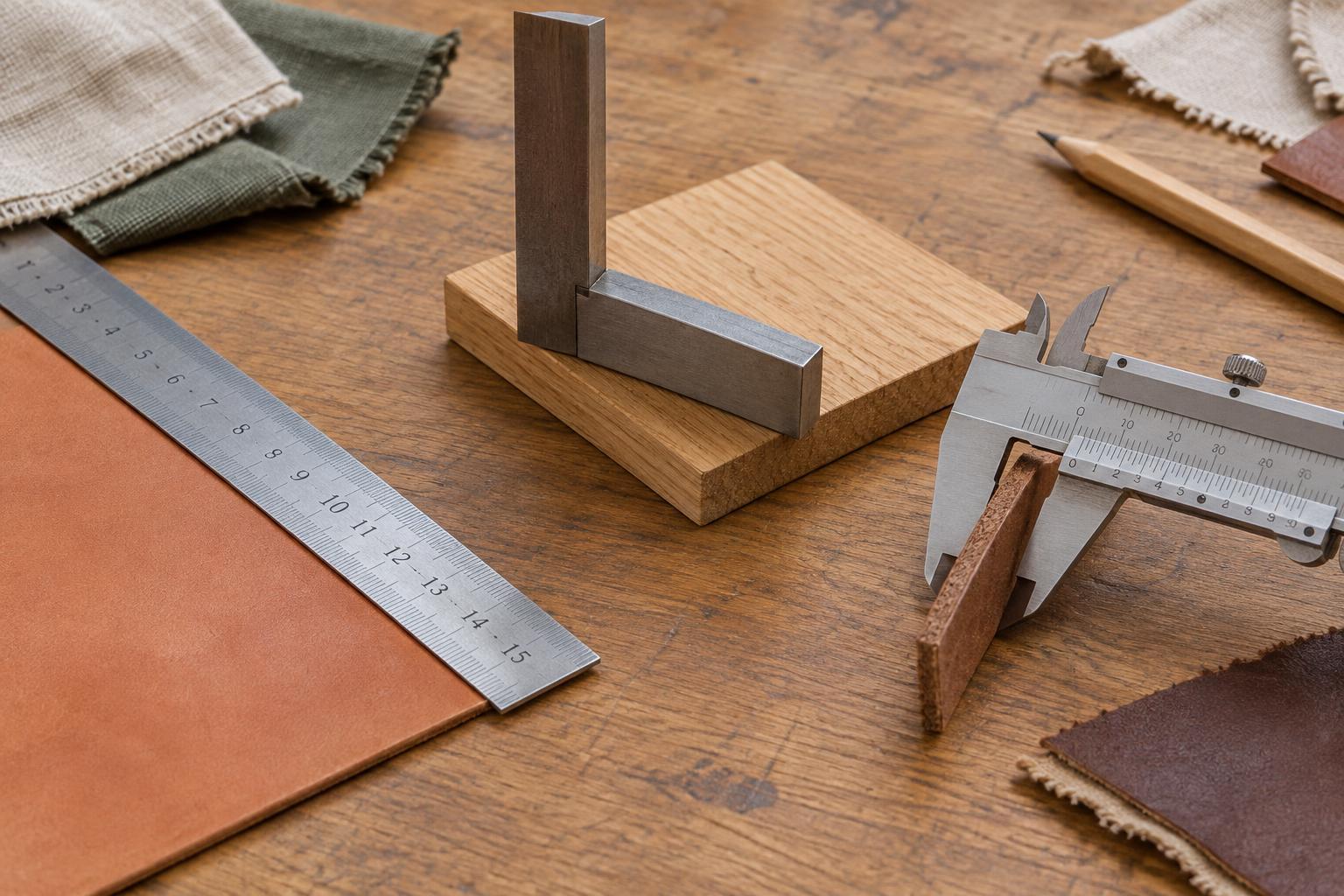
Hand Tools and TechniquesAccurate small-scale work starts with choosing a suitable tool and measuring from a consistent reference point. Learn when to use a ruler, square or caliper, how to avoid common reading errors, and why material behavior matters as much as the number you record.
Read article · 4 min↗
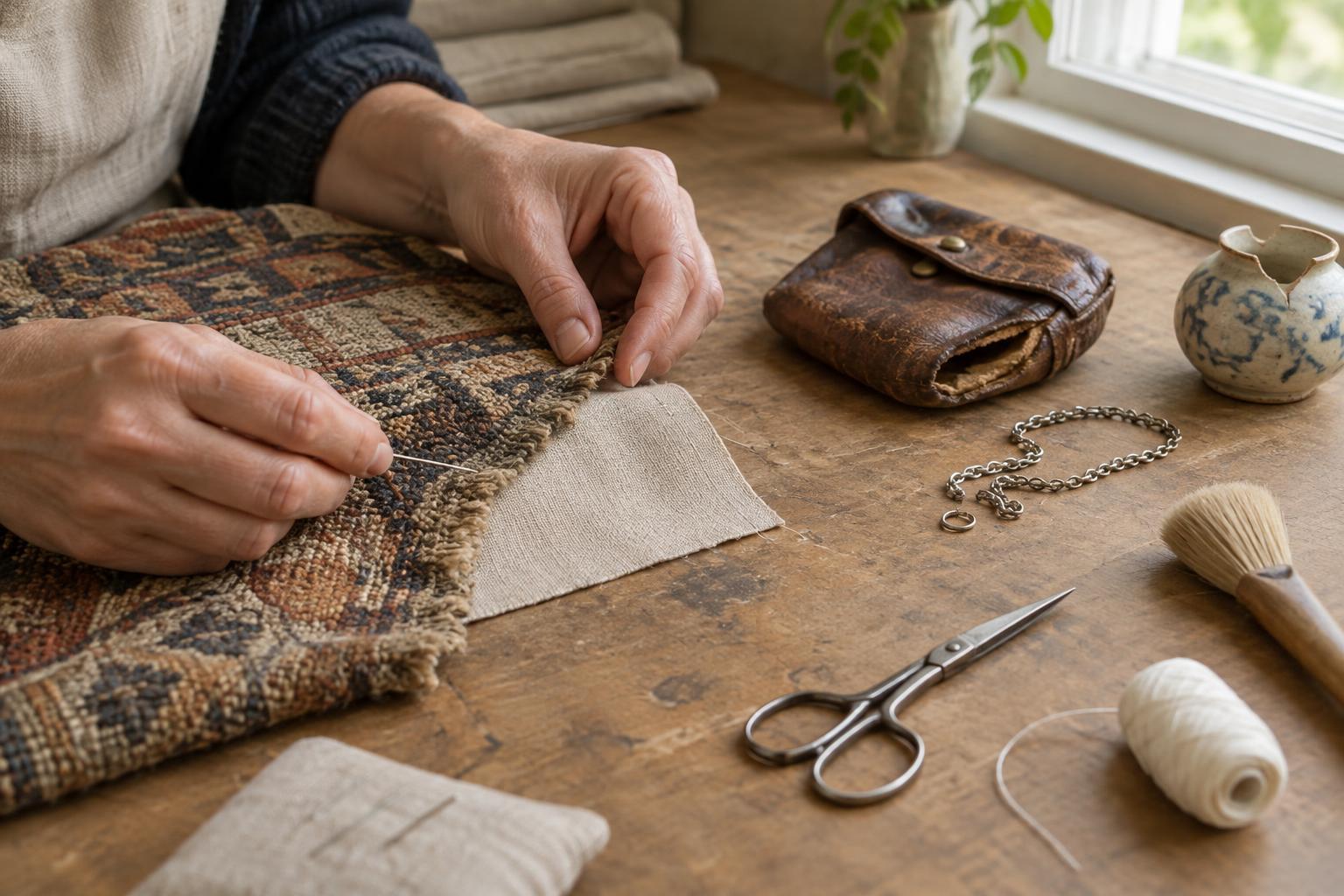
Craft Care and RepairA repair should not have to erase an object’s history to keep it useful. Learn how to weigh reversible methods, recognise when a quick fix may cause lasting damage, and choose an approach suited to textiles, leather, jewellery and decorative objects.
Read article · 4 min↗
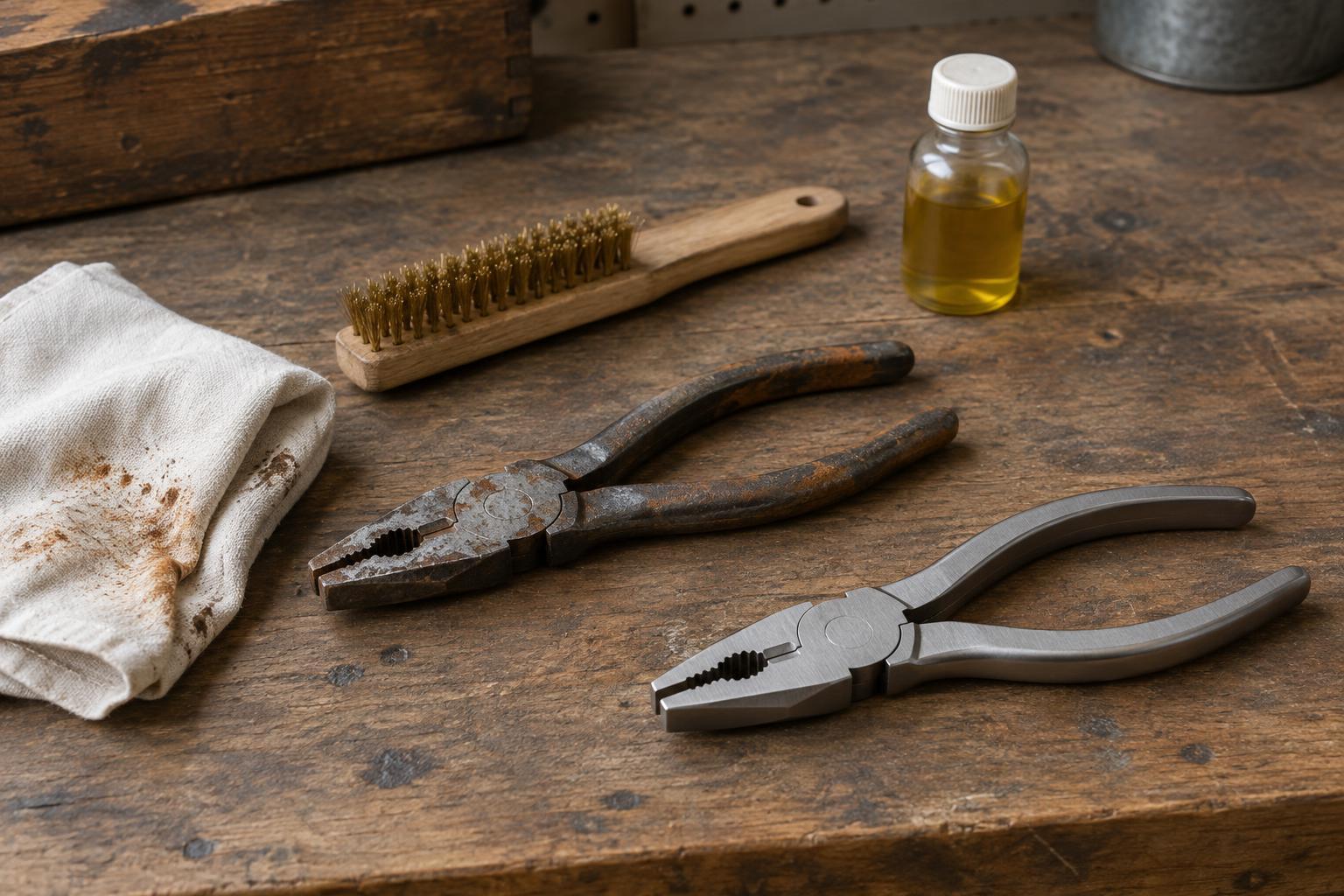
Craft Care and RepairLight rust does not always mean a hand tool is beyond use. Learn how to assess the affected surface, clean it without needlessly removing sound metal, and store the tool so moisture is less likely to undo your work.
Read article · 4 min↗
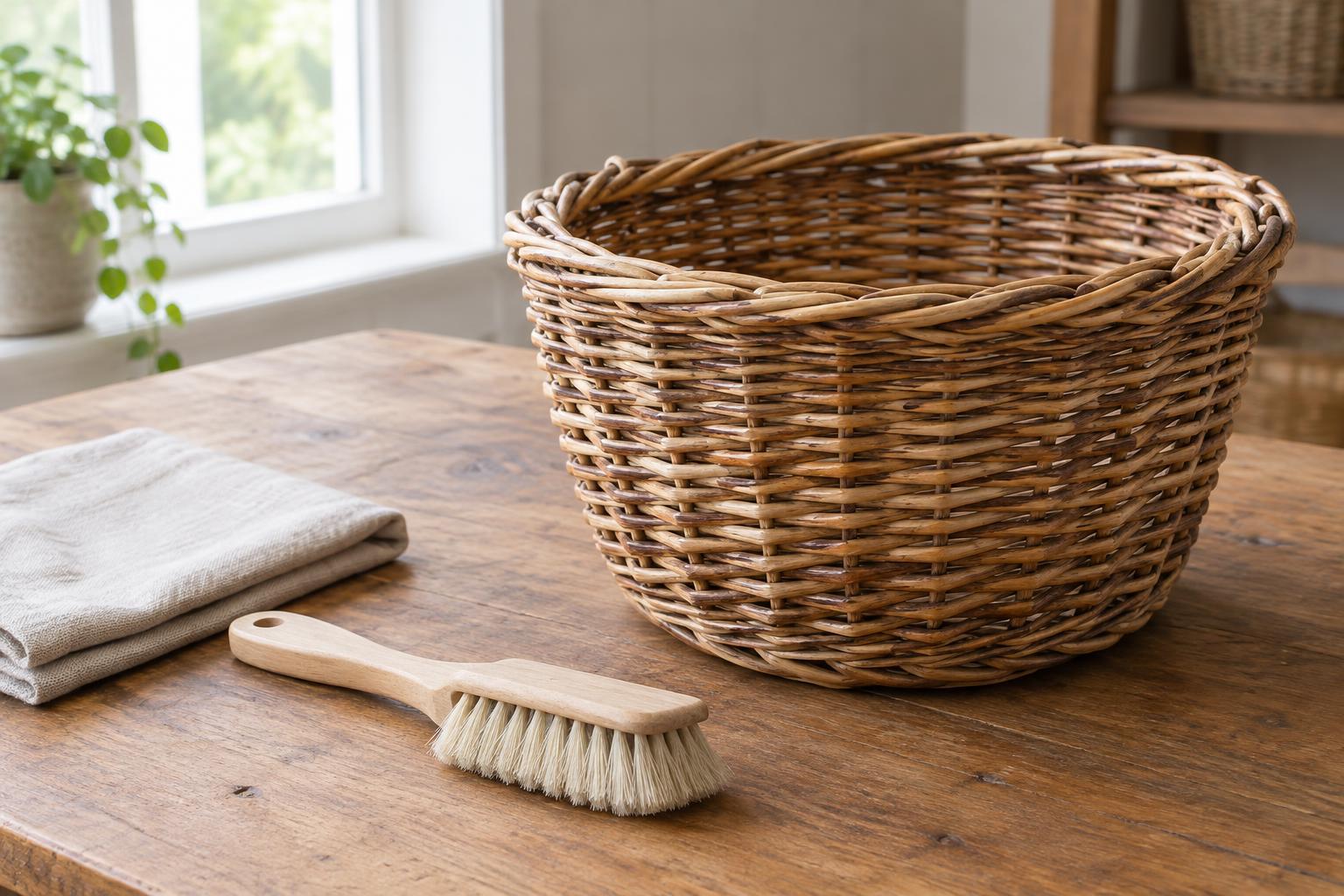
Craft Care and RepairA woven basket can trap dust between its strands and lose shape if it is stored under pressure. Learn how to clean it gently, manage moisture and decide when a misshapen basket can be reshaped.
Read article · 4 min↗
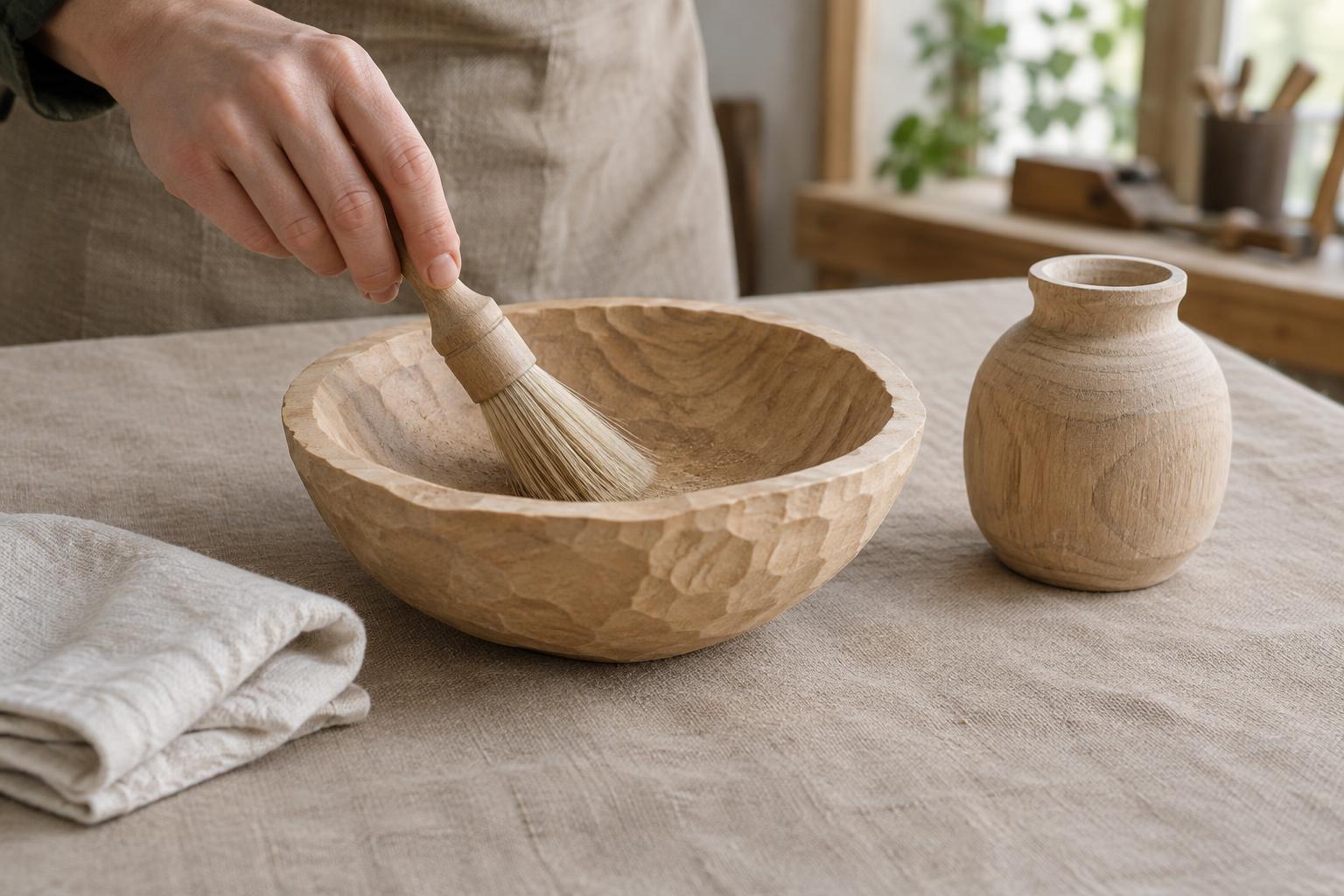
Craft Care and RepairUnfinished wood needs a gentle approach: remove dust first, use moisture sparingly, and think carefully before adding a coating. Learn how to care for carved, turned and assembled wooden objects without changing the character of their surfaces.
Read article · 4 min↗
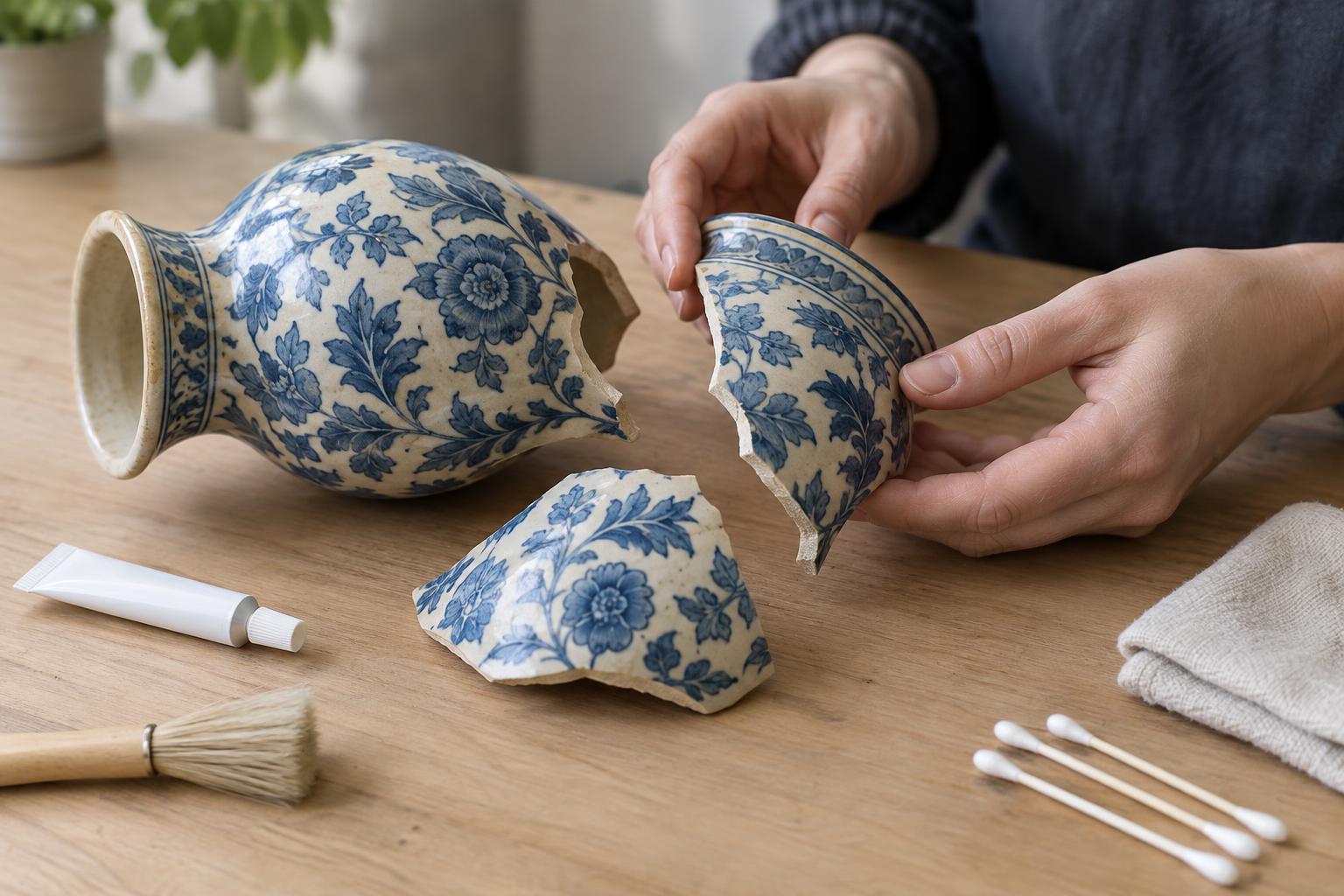
Craft Care and RepairThe right adhesive depends on how a ceramic object broke, how its fragments fit, and whether the repair may need to be removed later. Learn how to assess a decorative piece, compare common adhesive types, and make a careful repair without treating it as safe for food or heat.
Read article · 4 min↗
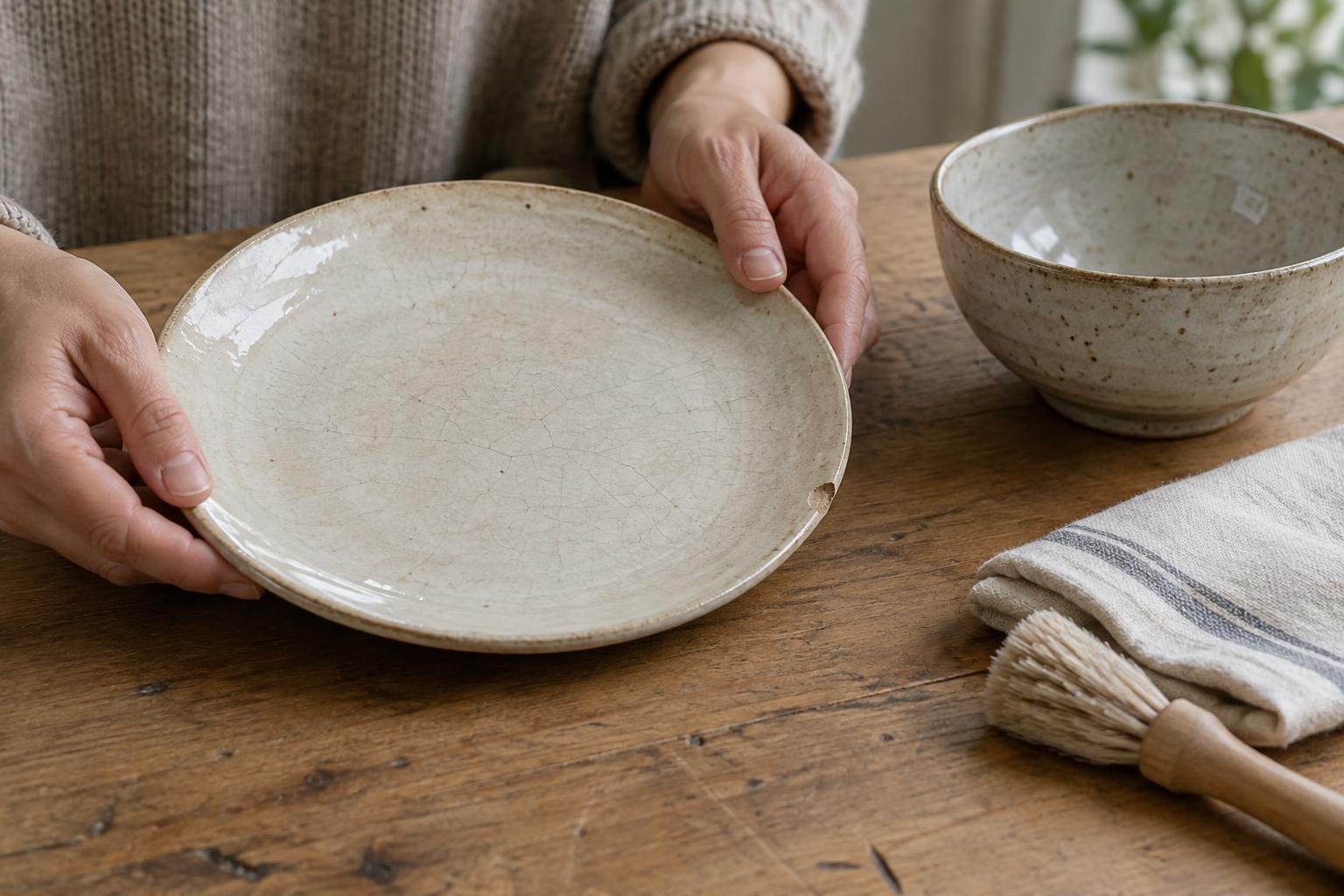
Craft Care and RepairA small mark on a handmade plate can be part of its character, but a chip, crack or network of glaze lines deserves a closer look. Learn how to distinguish these changes, decide when a piece should leave food service, and clean and store ceramic tableware gently.
Read article · 4 min↗
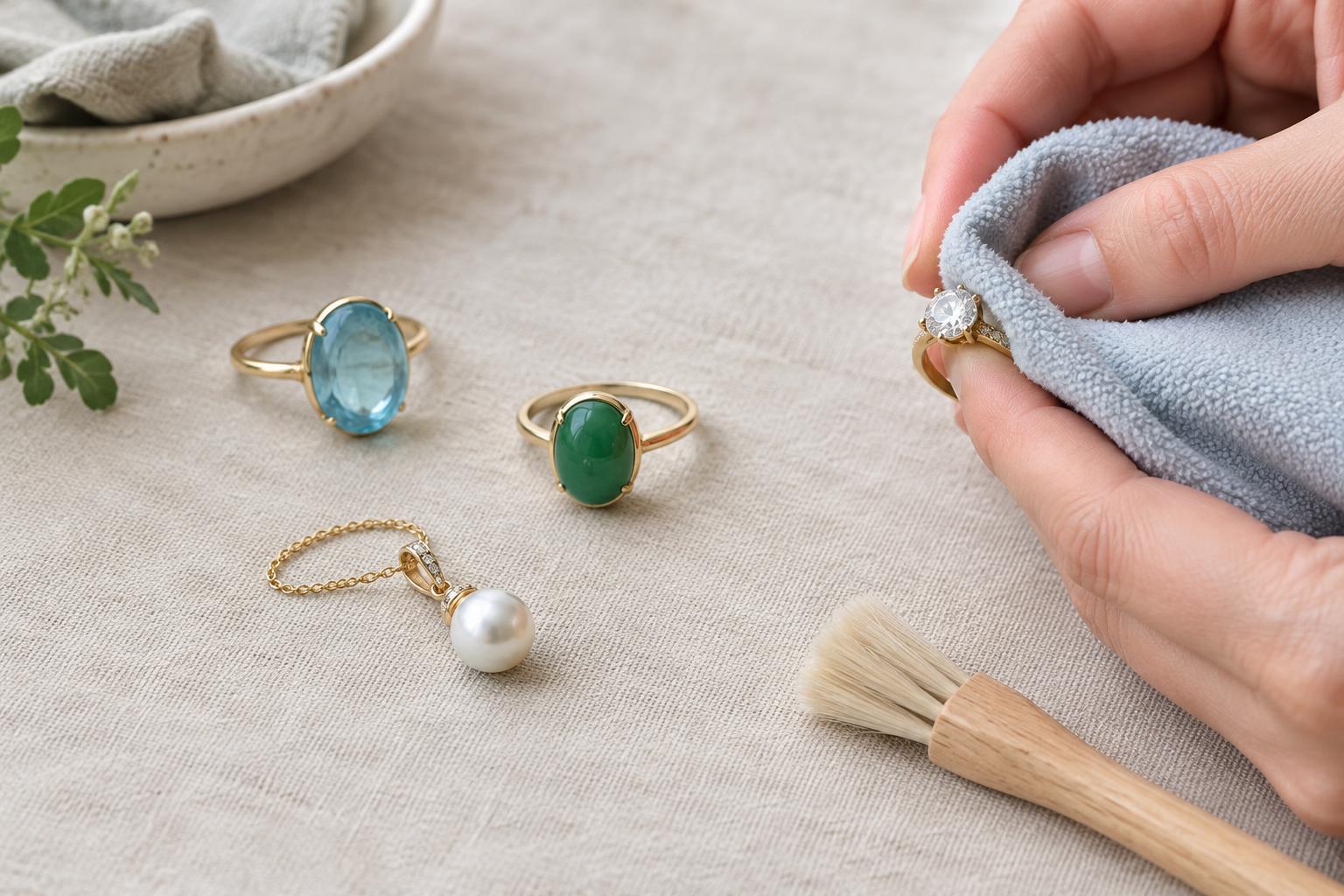
Craft Care and RepairA cleaning method that works for one gemstone may dull or damage another. Learn how stone type, treatments and settings affect safe cleaning, and when a gentle wipe is the better choice.
Read article · 4 min↗
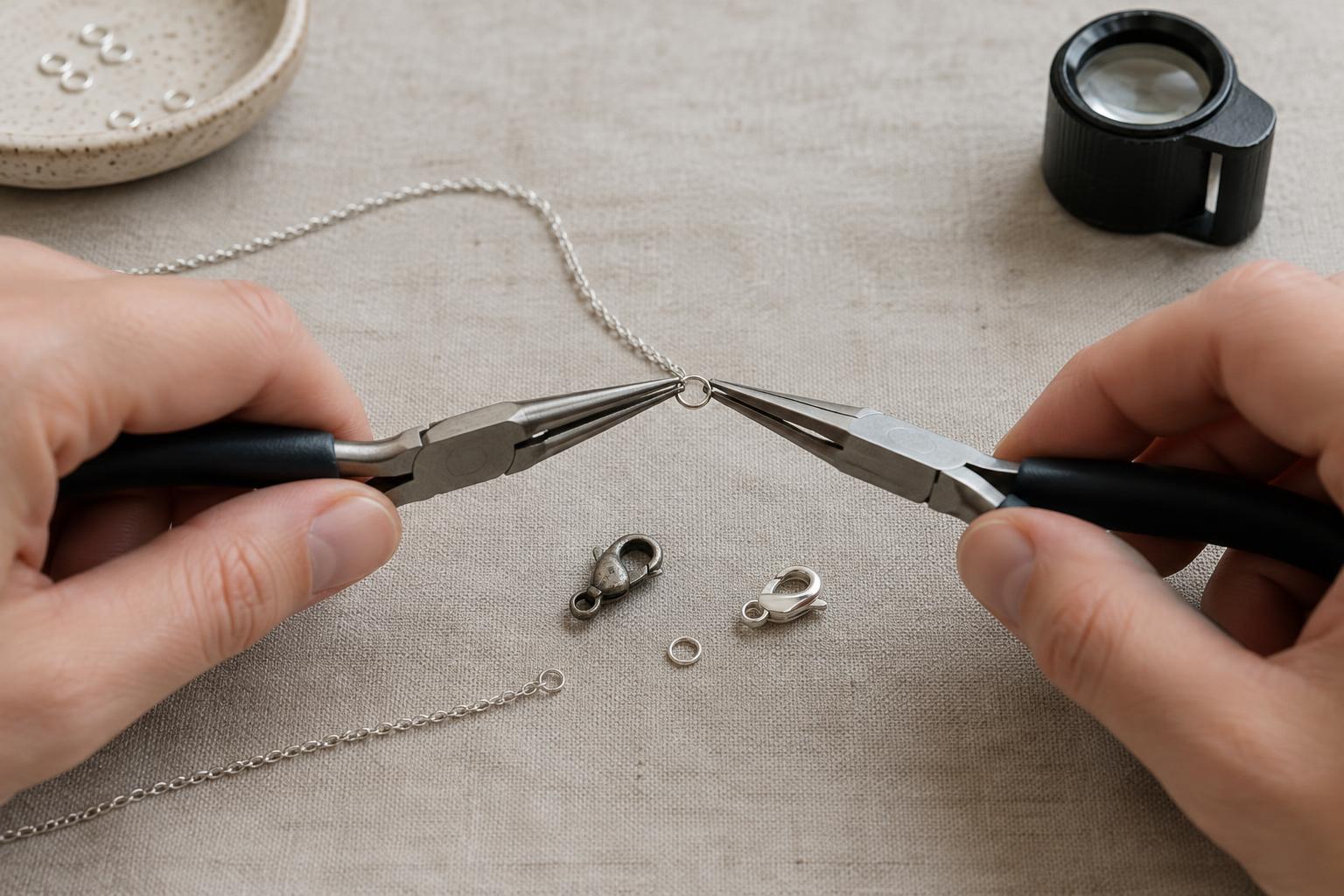
Craft Care and RepairA clasp does more than close a necklace or bracelet: it helps keep the whole piece secure. Learn how to spot wear, choose a suitable replacement and decide when a repair is better left to a jeweller.
Read article · 4 min↗
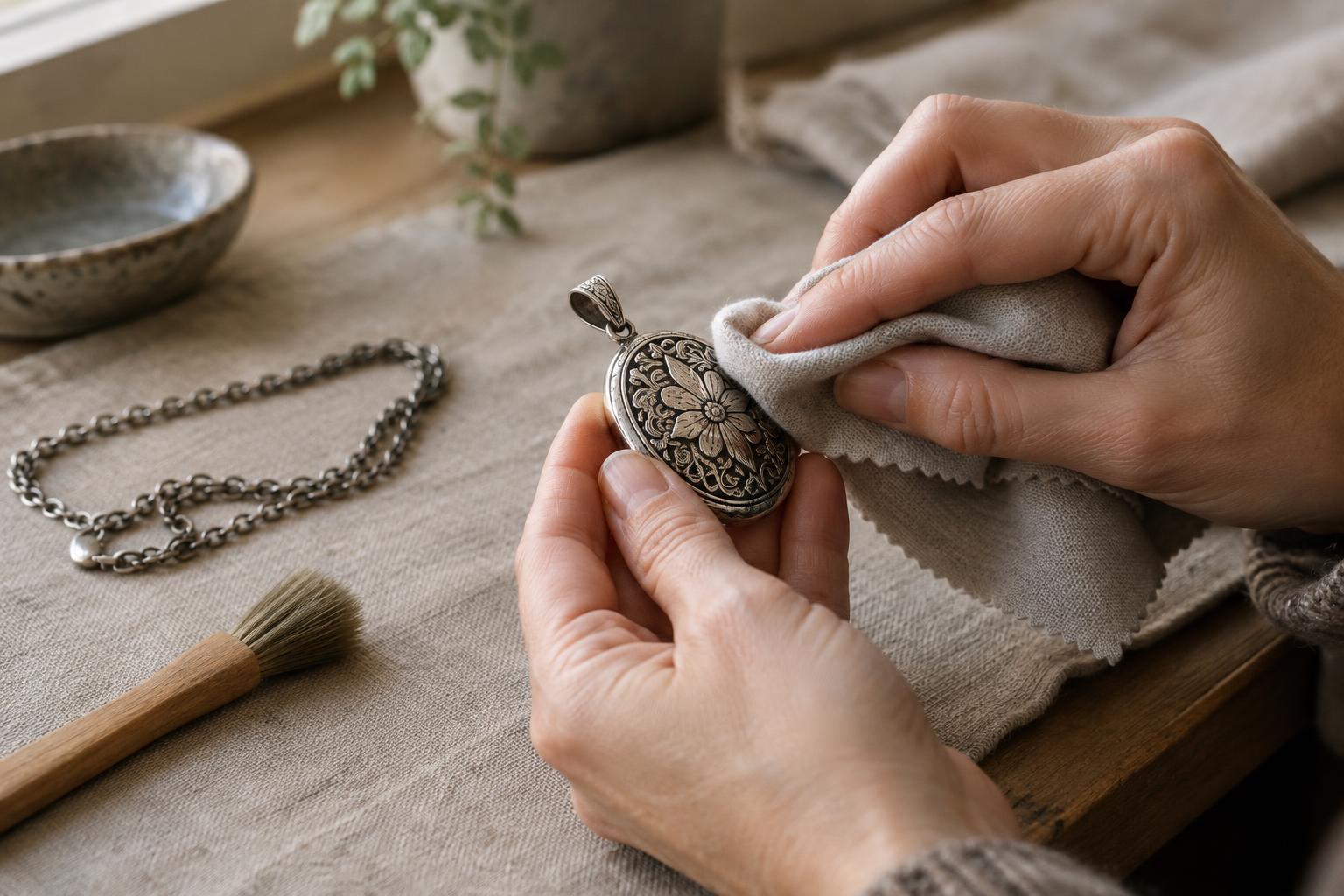
Craft Care and RepairTarnish can dull silver, but aggressive cleaning may also remove intentional darkening, wear away plating or damage stones and settings. Learn how to assess a piece, clean it gently and know when to stop.
Read article · 4 min↗
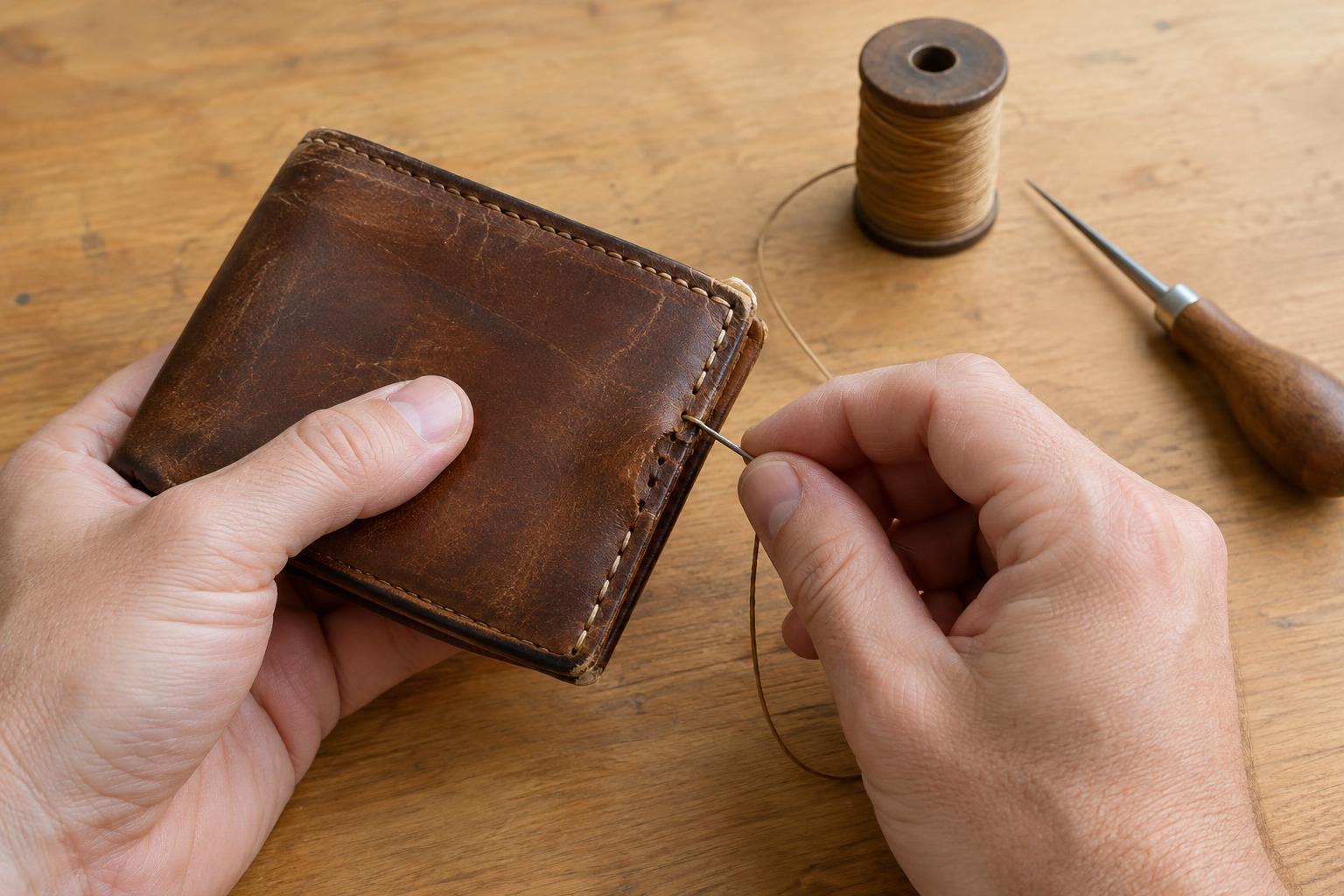
Craft Care and RepairA loose seam on a wallet, pouch or strap does not always call for the same fix. Learn how to assess the damage, make a small repair using existing stitch holes, and recognise when a specialist is the safer choice.
Read article · 4 min↗
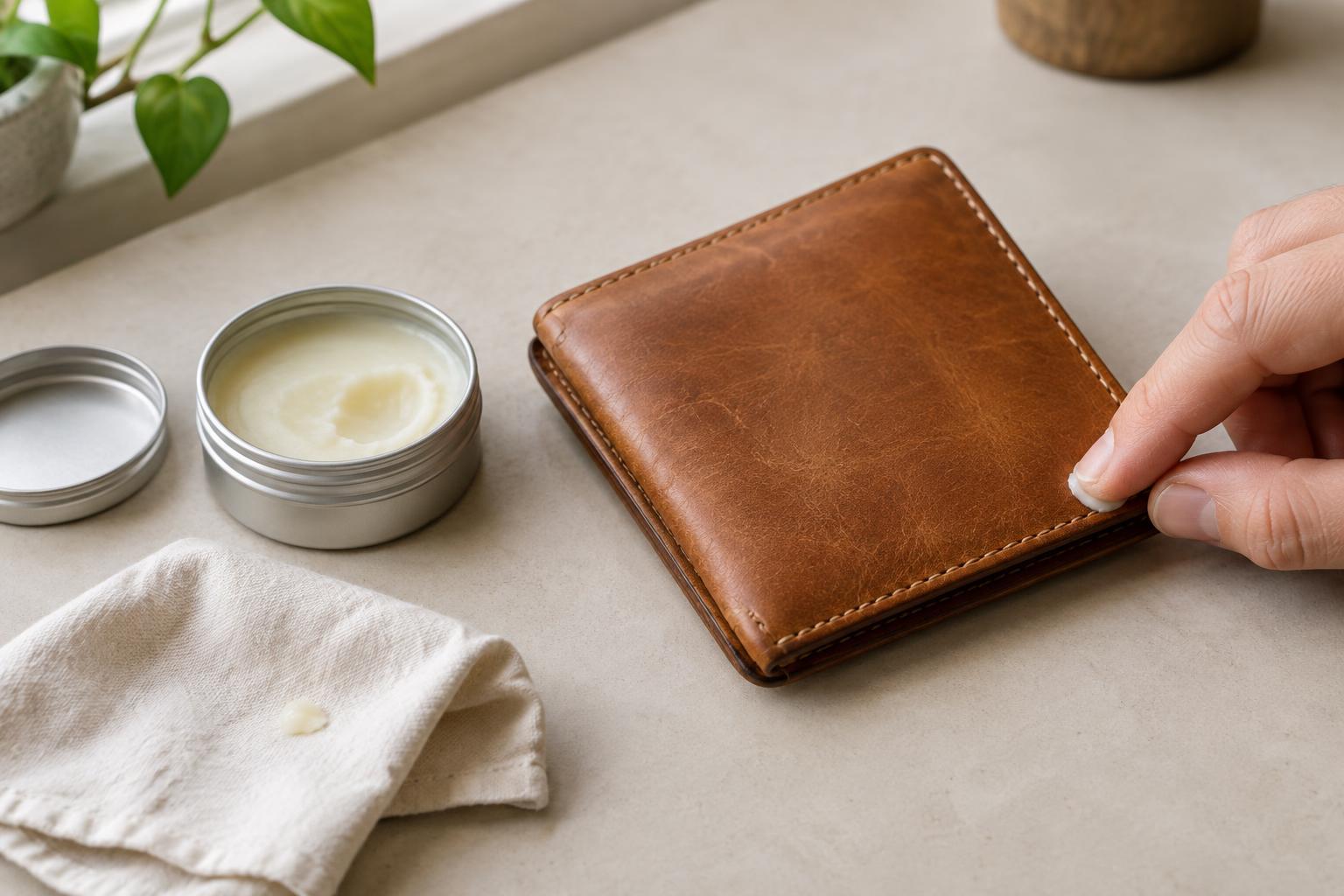
Craft Care and RepairLeather conditioner can help a dry accessory stay flexible, but too much may change its colour, feel or shape. Learn when conditioning is useful, how to test a product and how to apply it sparingly.
Read article · 4 min↗
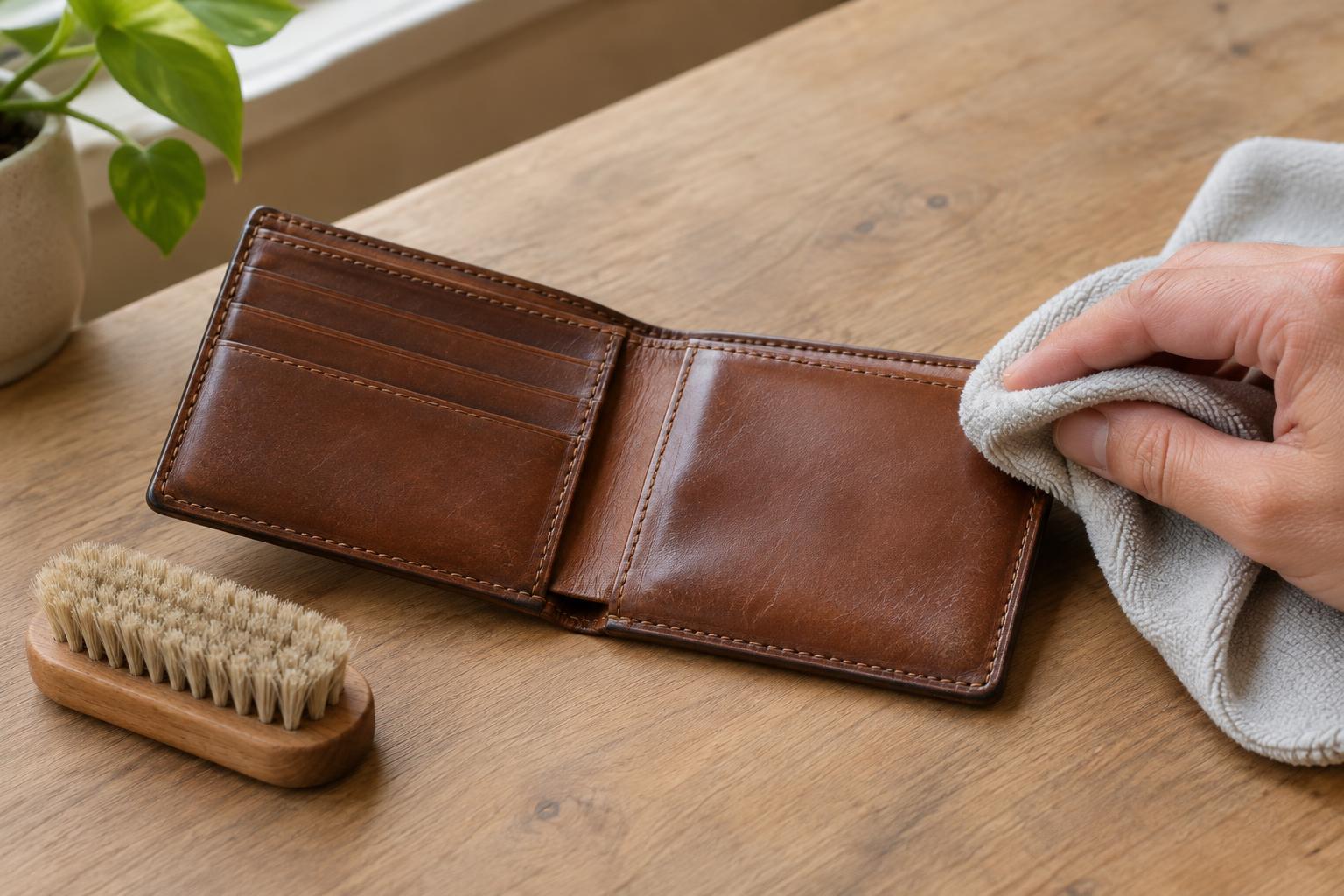
Craft Care and RepairA leather wallet usually needs less cleaning than you might think. Learn how to identify its finish, remove everyday grime gently, and avoid products or techniques that can leave lasting marks.
Read article · 4 min↗
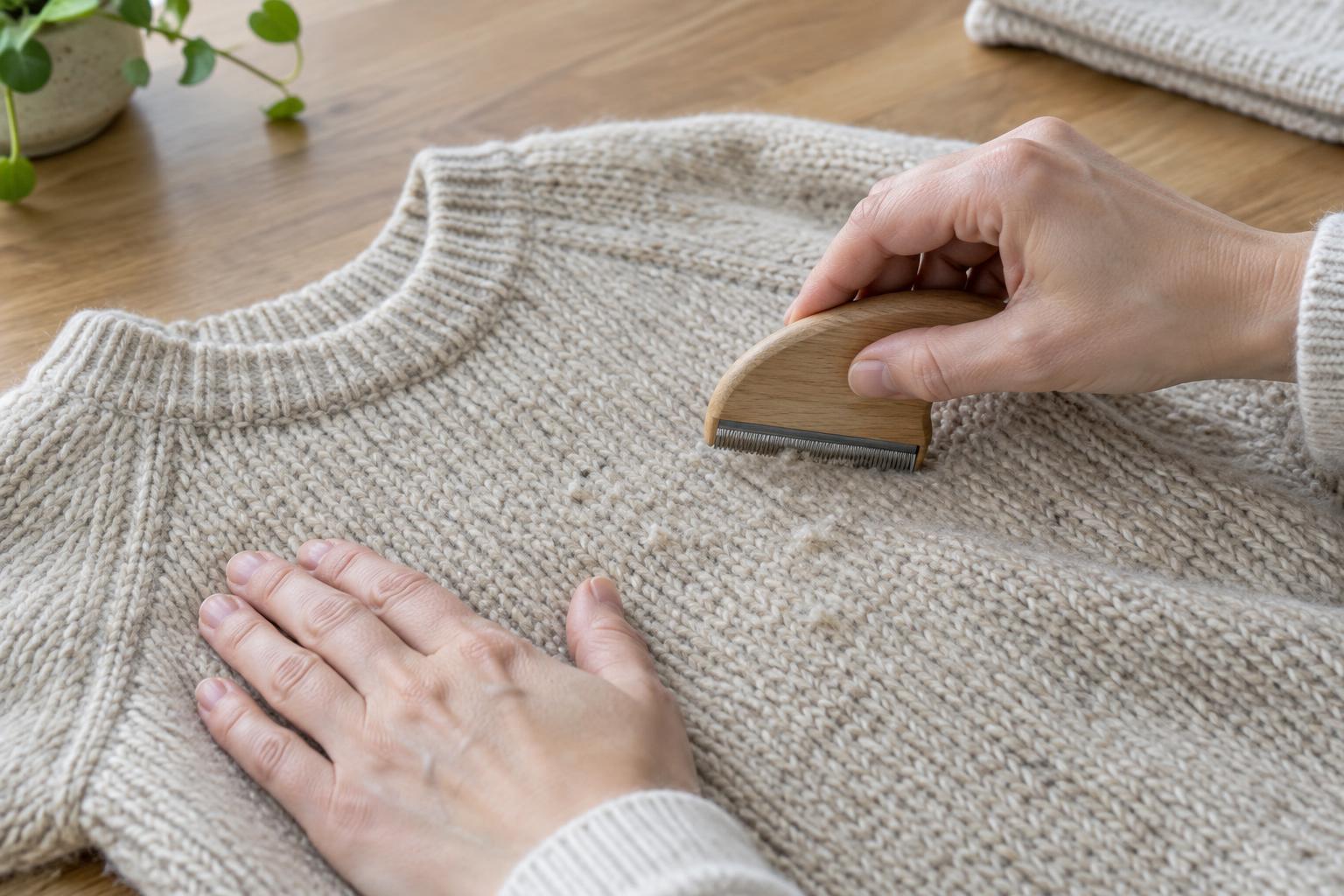
Craft Care and RepairPilling is a common result of wear, especially where knitted fabric rubs against itself or other surfaces. Learn how to remove pills gently, choose a suitable tool, and care for handmade knitwear without pulling at its stitches.
Read article · 4 min↗
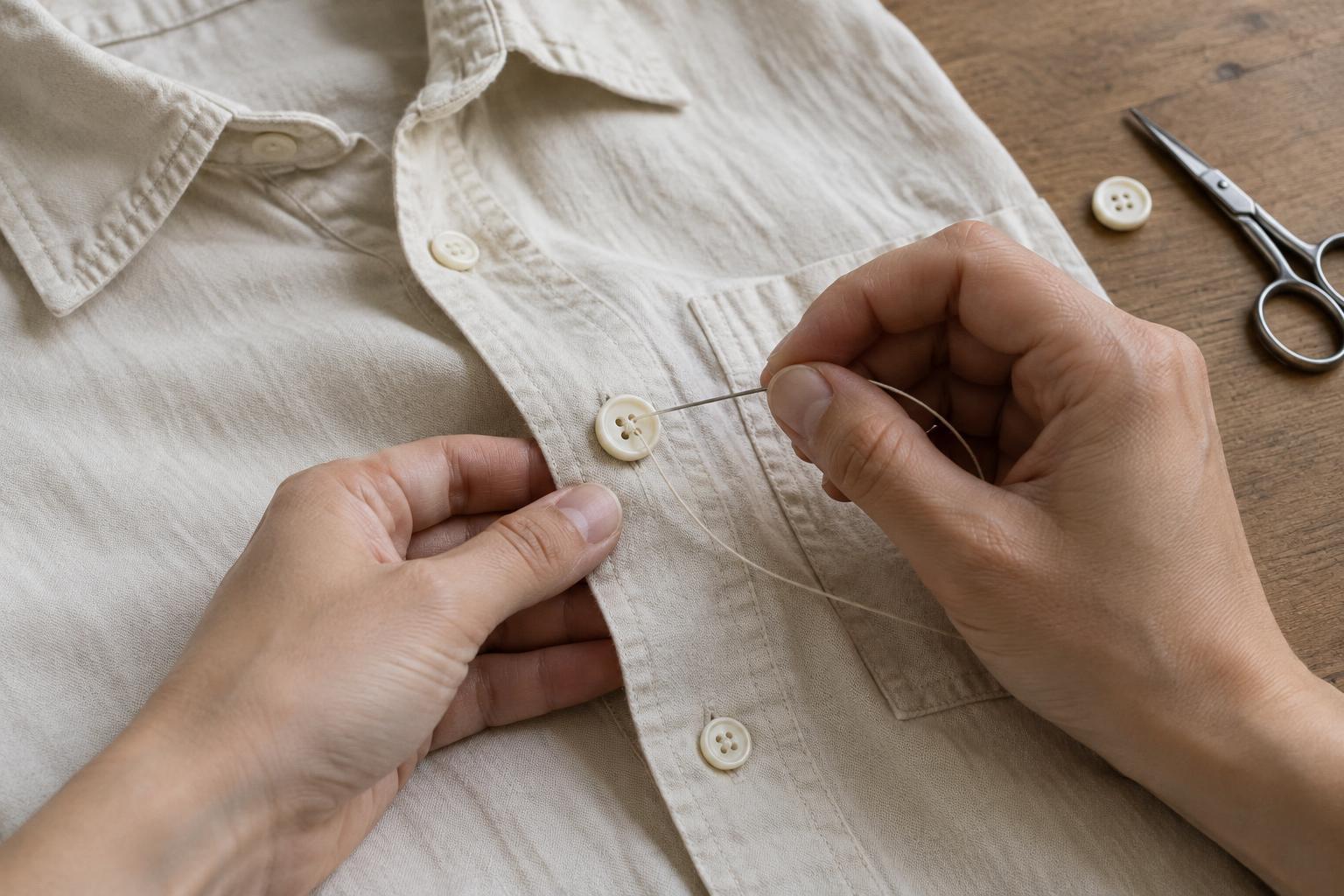
Craft Care and RepairA secure replacement button should hold the garment closed without pulling at the cloth. Learn how to assess the fabric, choose a suitable button and sew it on with the right amount of space and support.
Read article · 4 min↗
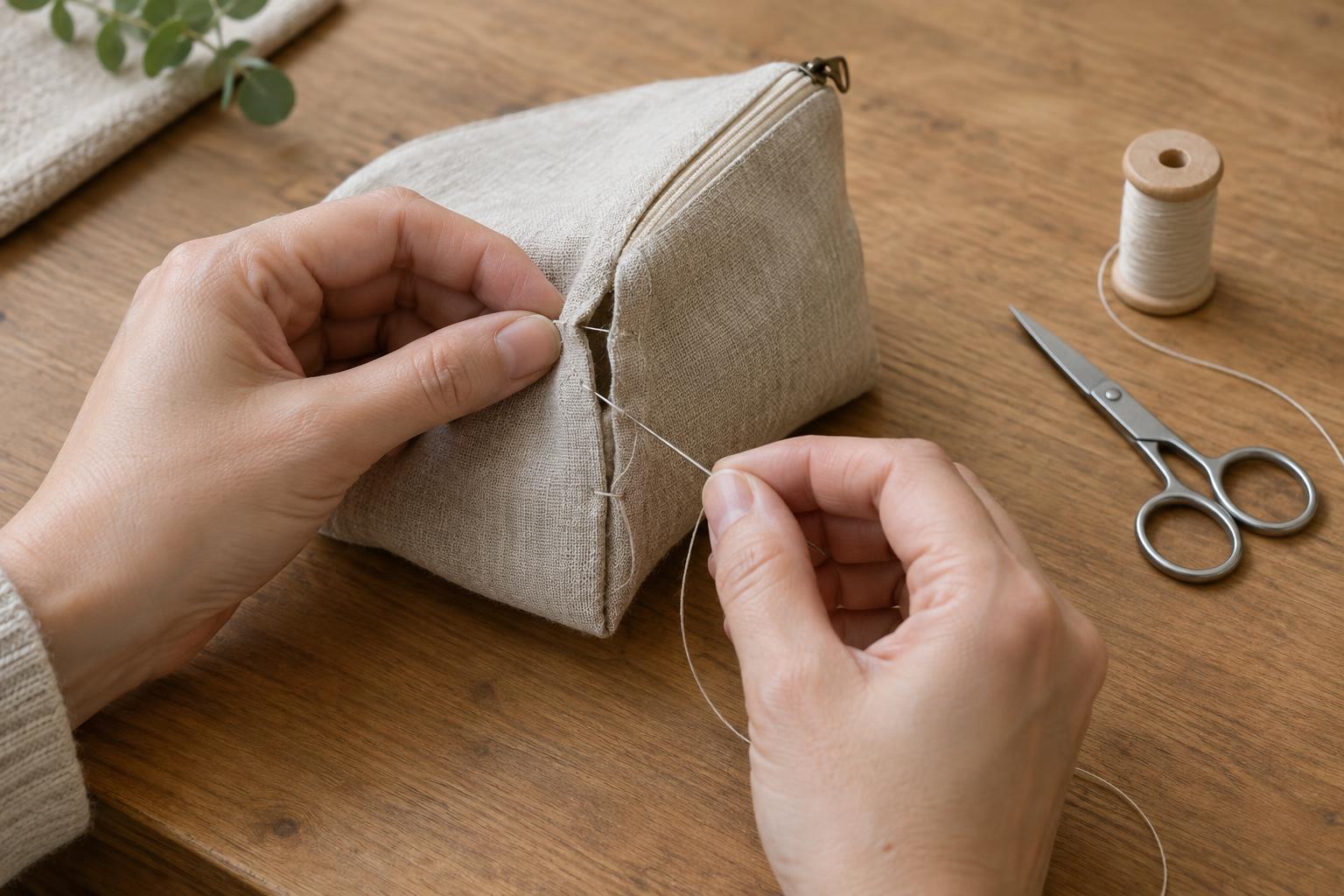
Craft Care and RepairA loose seam on a fabric pouch, bag or case is often repairable by hand. Learn how to inspect the opening, choose a suitable stitch and reinforce the seam without changing the accessory’s shape.
Read article · 4 min↗
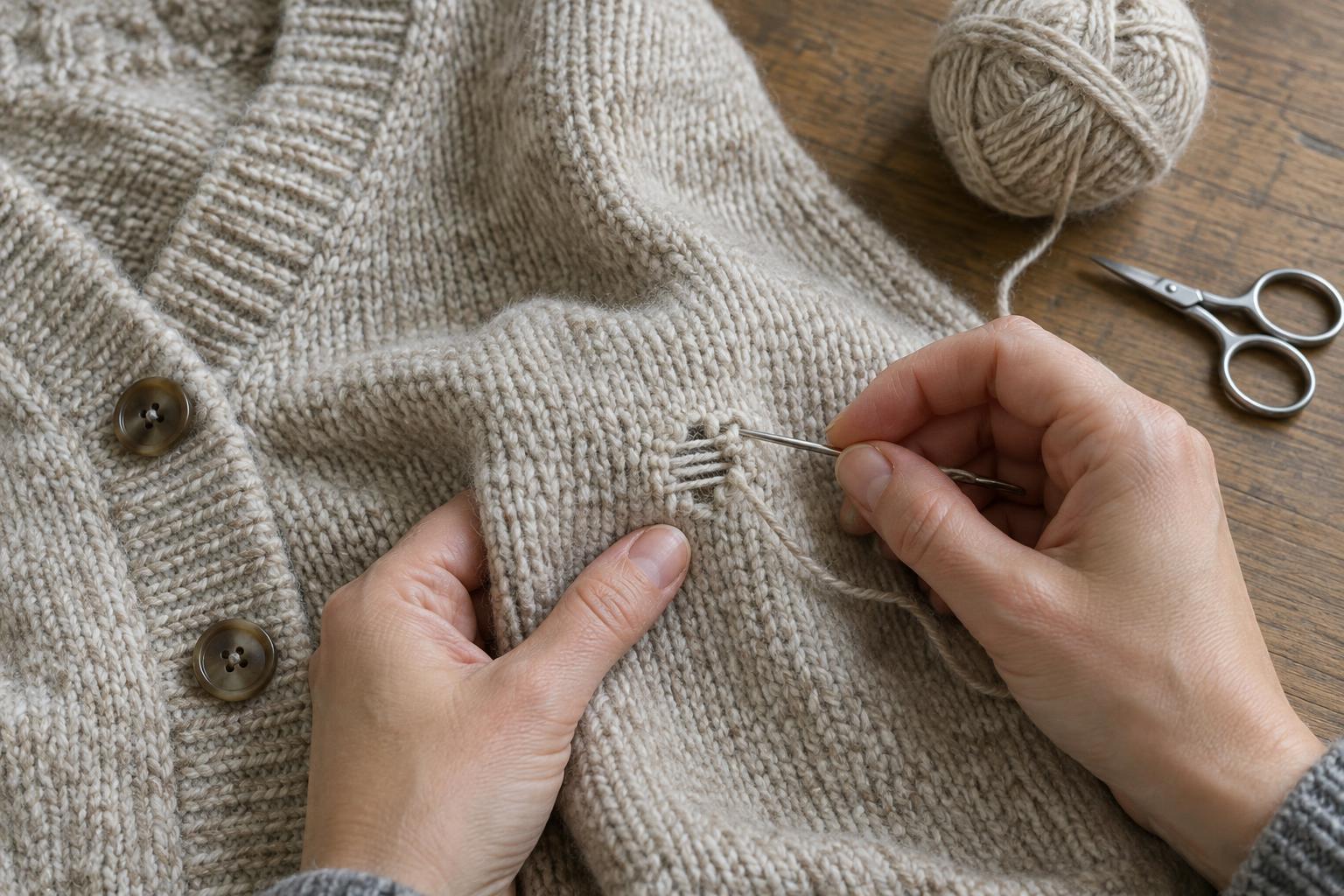
Craft Care and RepairA small hole in a jumper or cardigan need not mean the end of its wear. Learn how to prepare the area, build a simple woven darn and finish the repair without pulling the fabric out of shape.
Read article · 4 min↗
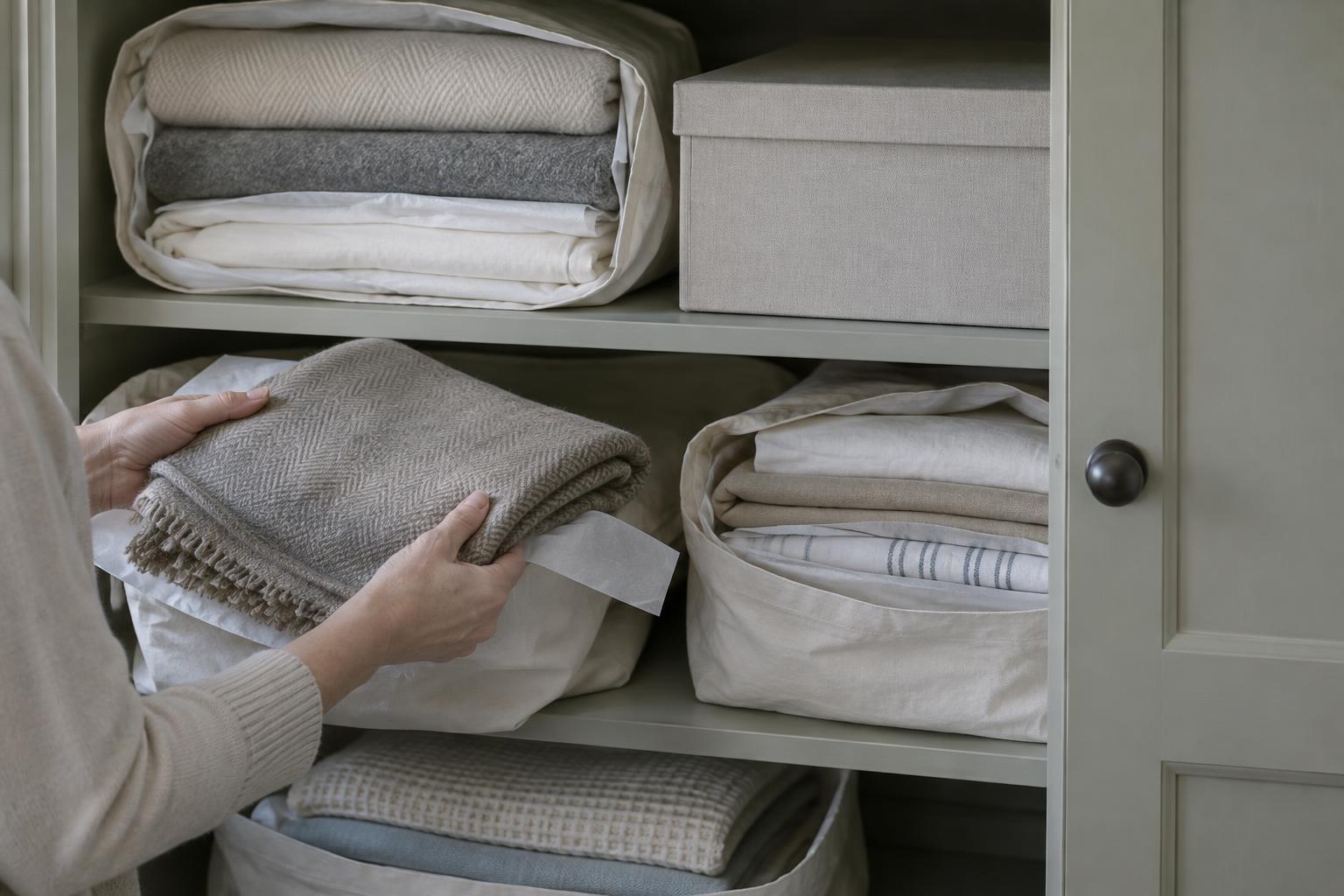
Craft Care and RepairGood textile storage starts with clean, dry fabric and a space that is dark, stable and easy to inspect. Learn how to fold or hang different pieces, limit moth access and prevent sharp creases without relying on scented deterrents.
Read article · 4 min↗
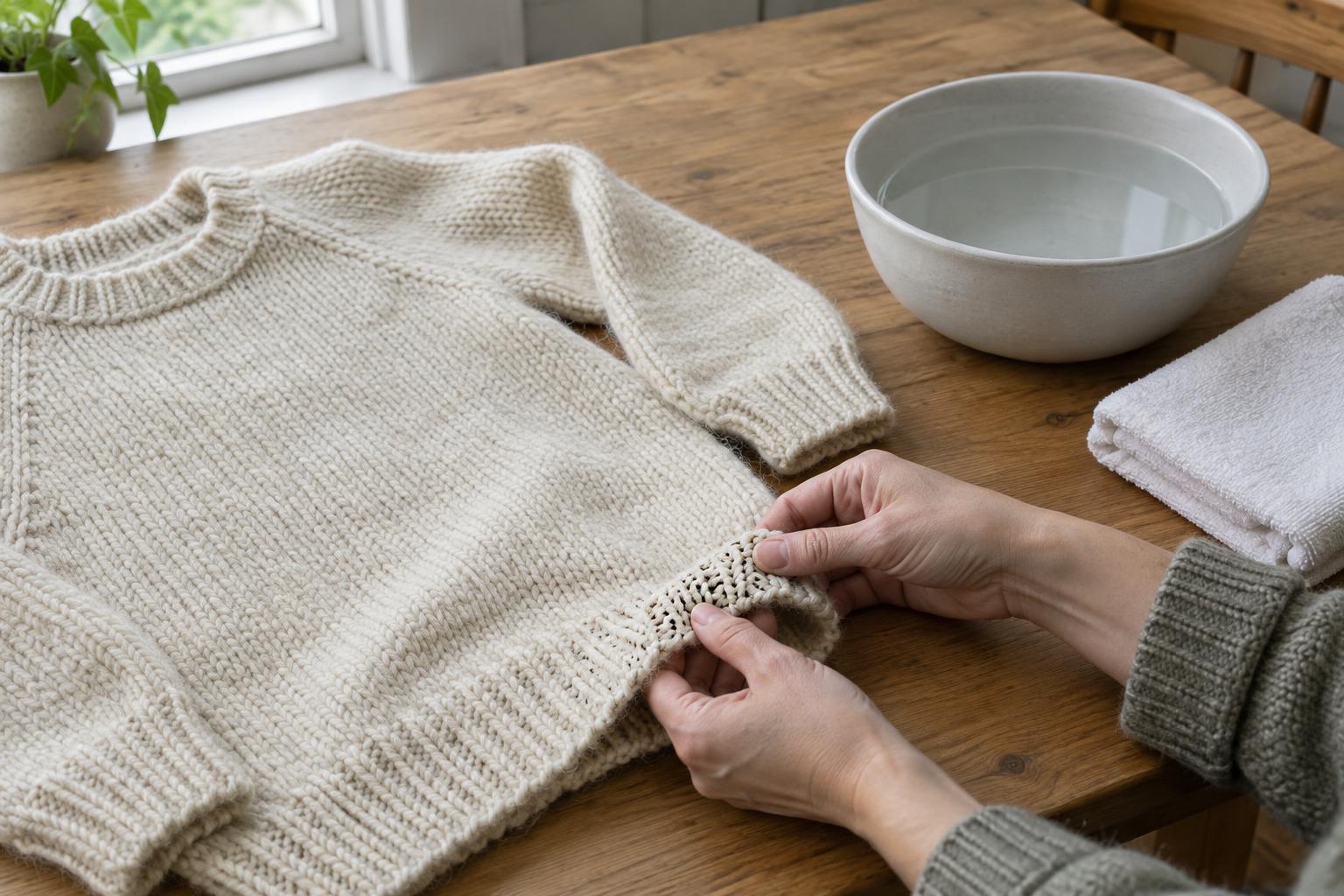
Craft Care and RepairHandmade wool does not all need the same care. Learn how to assess construction, colour and condition before washing, when a gentle hand-wash may be appropriate, and when keeping the object dry is the safer choice.
Read article · 4 min↗
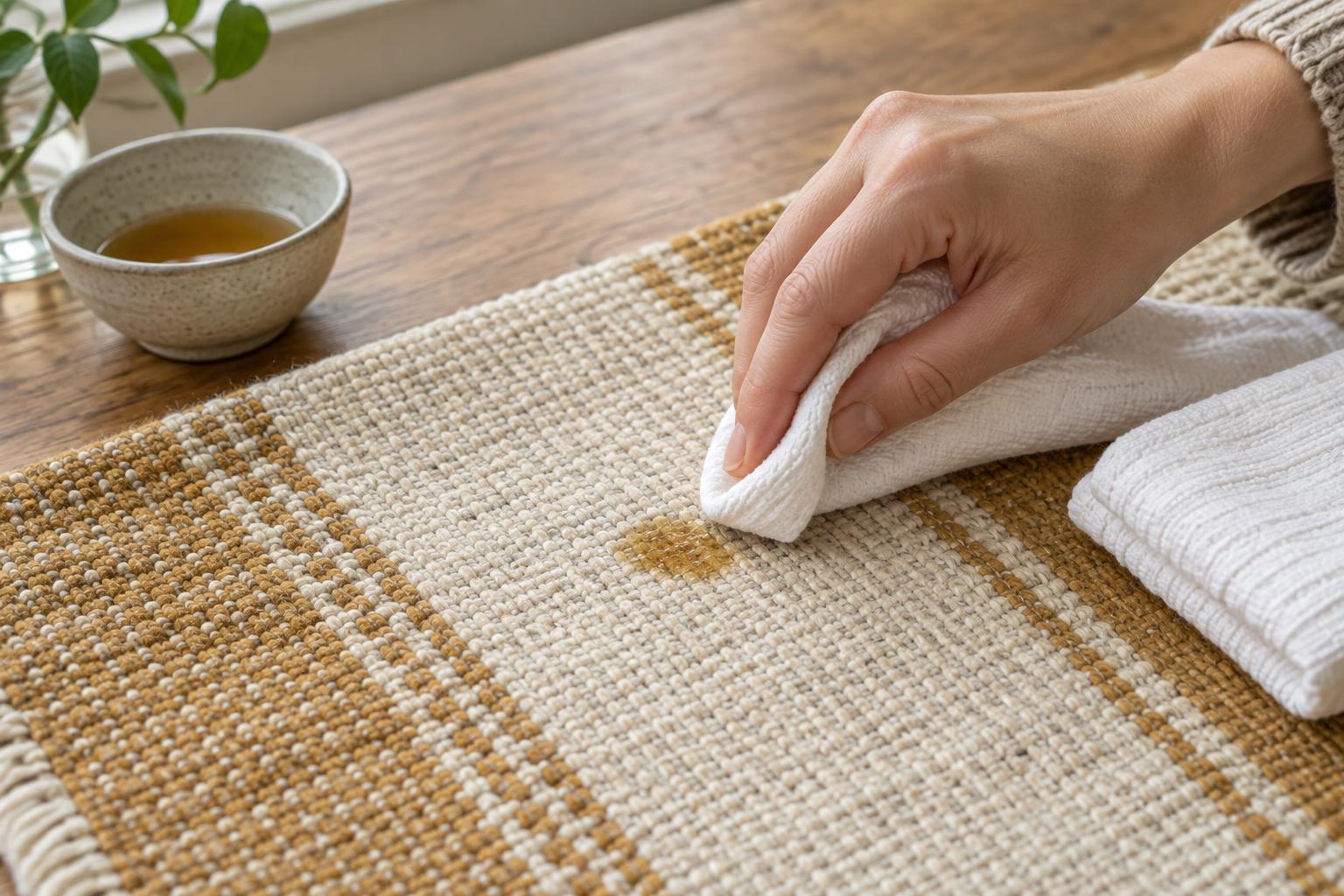
Craft Care and RepairA small spill can become a larger mark if liquid travels through a handwoven textile. Learn how to contain a stain, test for colour transfer, clean with minimal moisture and know when to stop.
Read article · 4 min↗
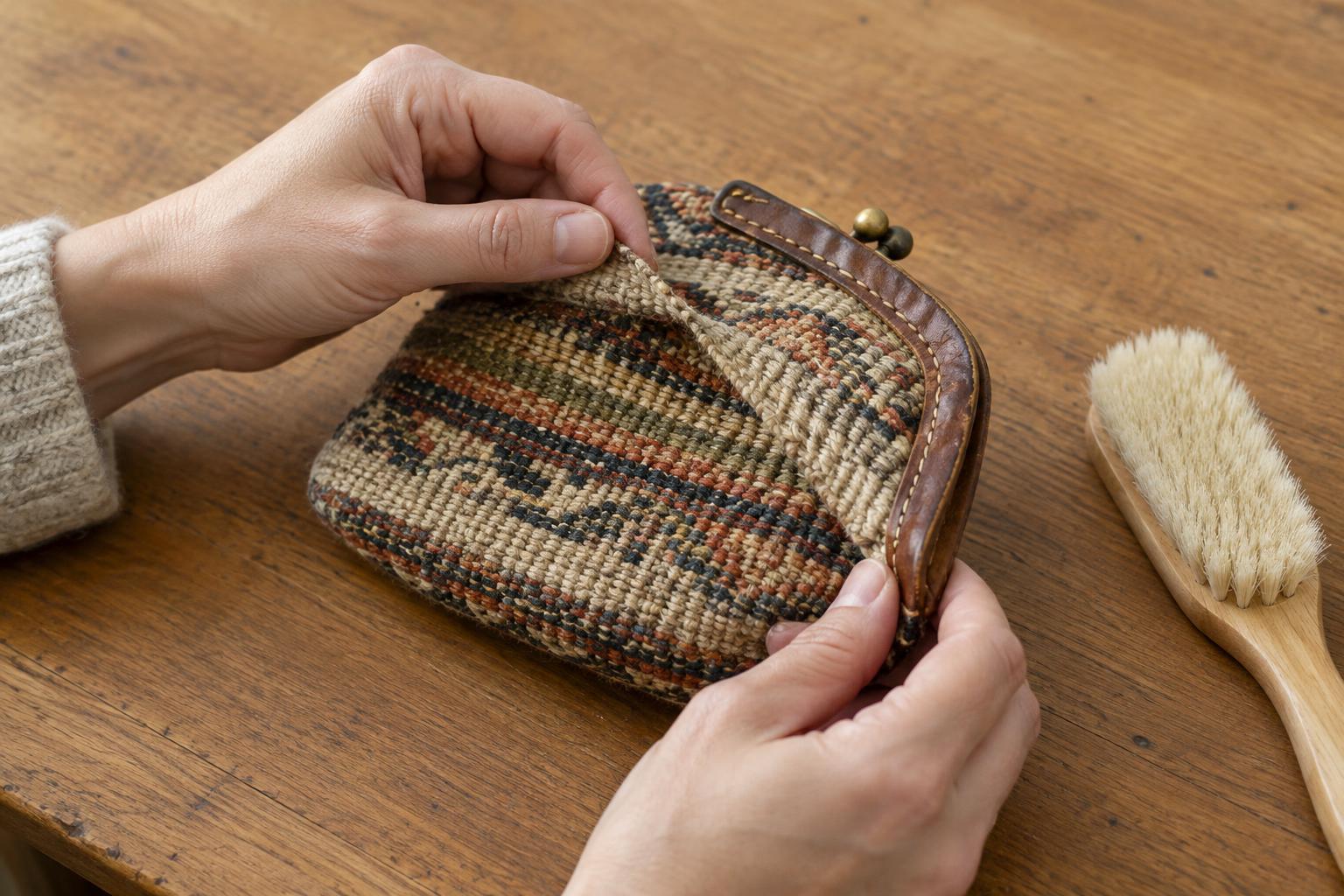
Craft Care and RepairA handmade object may combine fibres, dyes, finishes, adhesives and hardware that respond differently to cleaning. Learn what to inspect first, how to recognise signs of vulnerability and when gentle dusting—or no cleaning at all—is the better choice.
Read article · 4 min↗