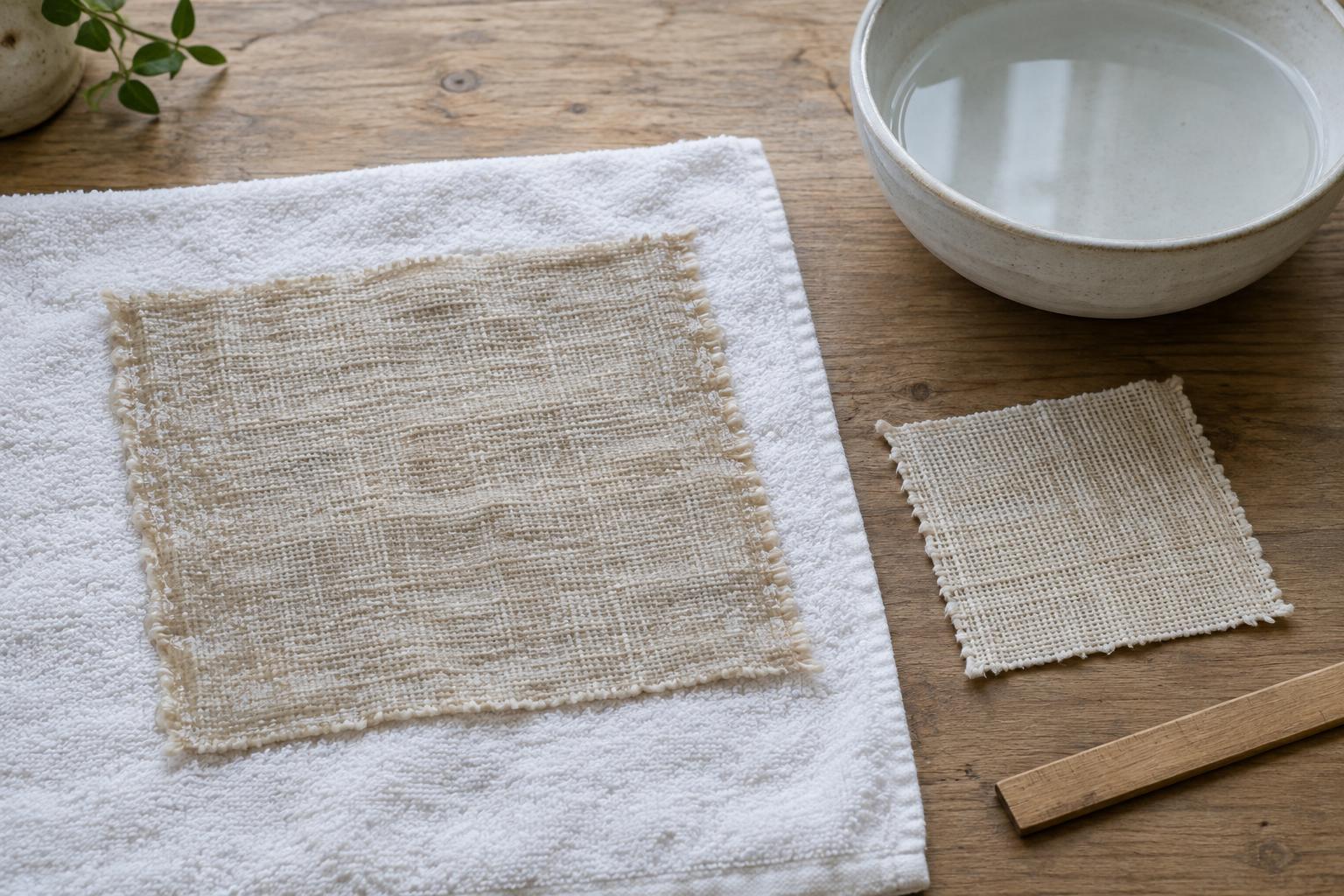
Textiles and WeavingCloth fresh from the loom is not always finished cloth. Learn how a careful first wash can settle the yarns, change the handle and reveal what your weaving sample can teach you.
Read article · 4 min↗
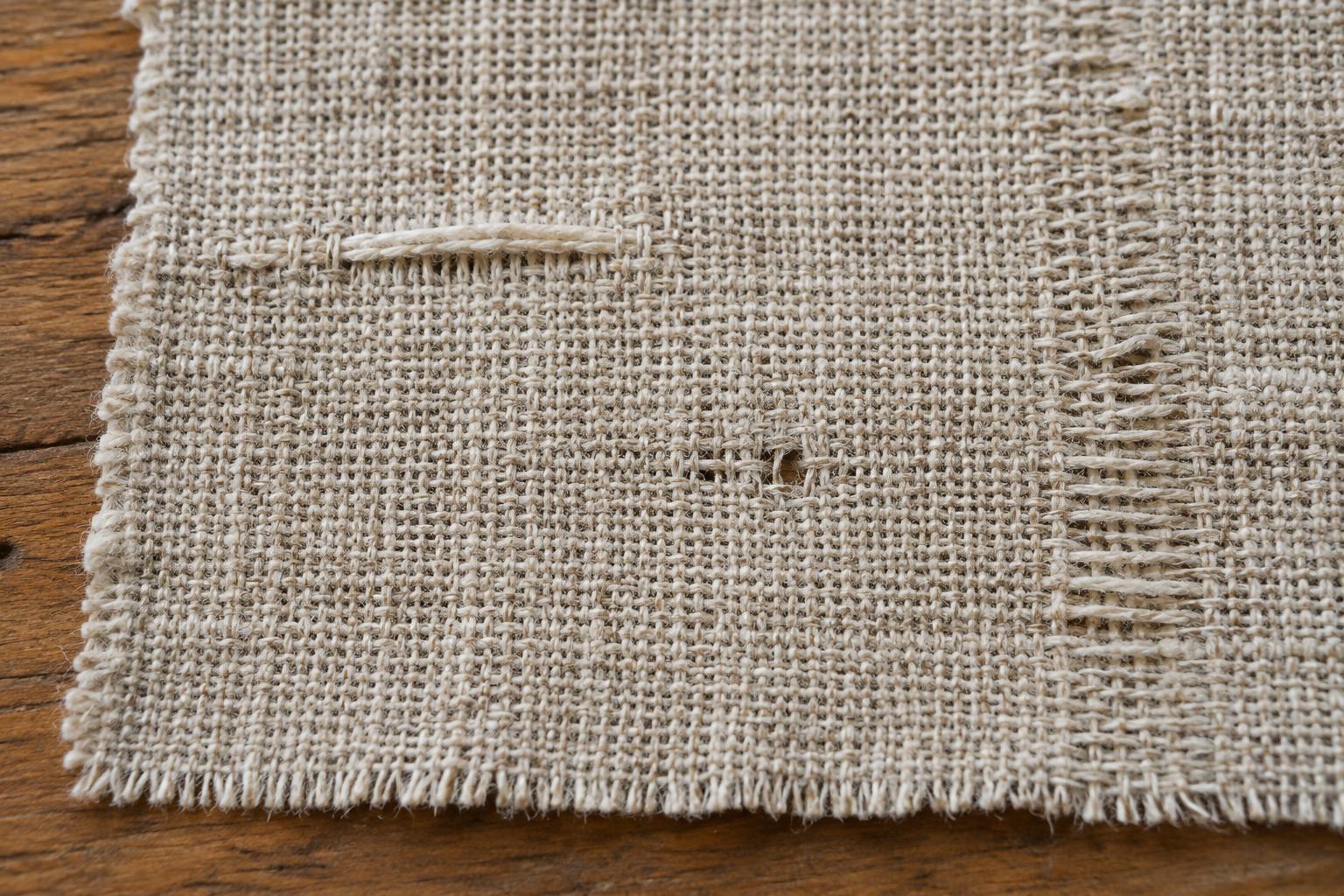
Textiles and WeavingNot every irregularity in woven cloth is a fault. Learn how to identify unexpected floats, missed interlacements and uneven weft spacing, then decide whether a detail affects appearance, use or durability.
Read article · 4 min↗
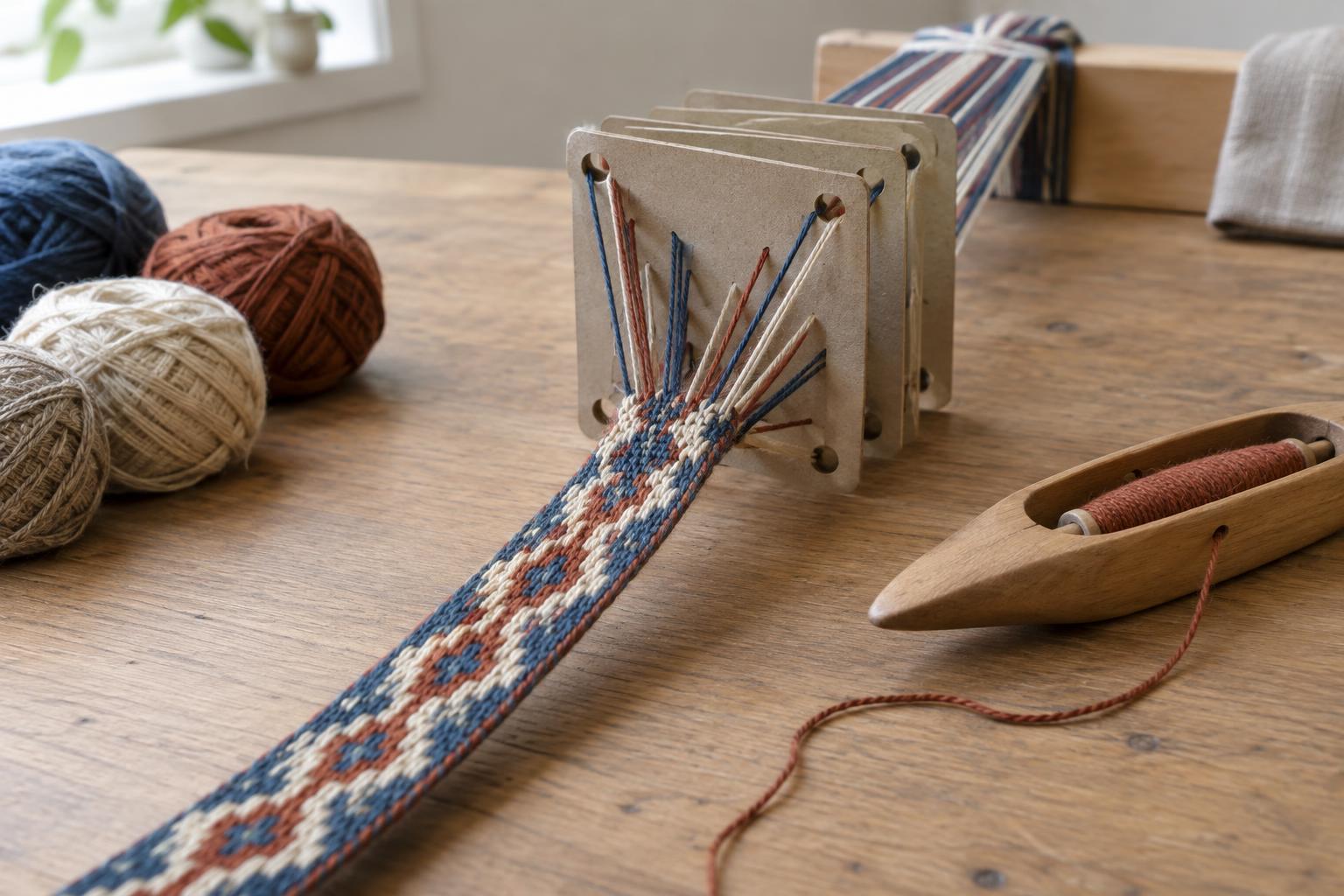
Textiles and WeavingTablet weaving makes narrow, sturdy bands with a set of threaded cards. Learn how each turn changes the shed, twists the warp and brings different colours to the surface, then try a simple practice sequence.
Read article · 4 min↗
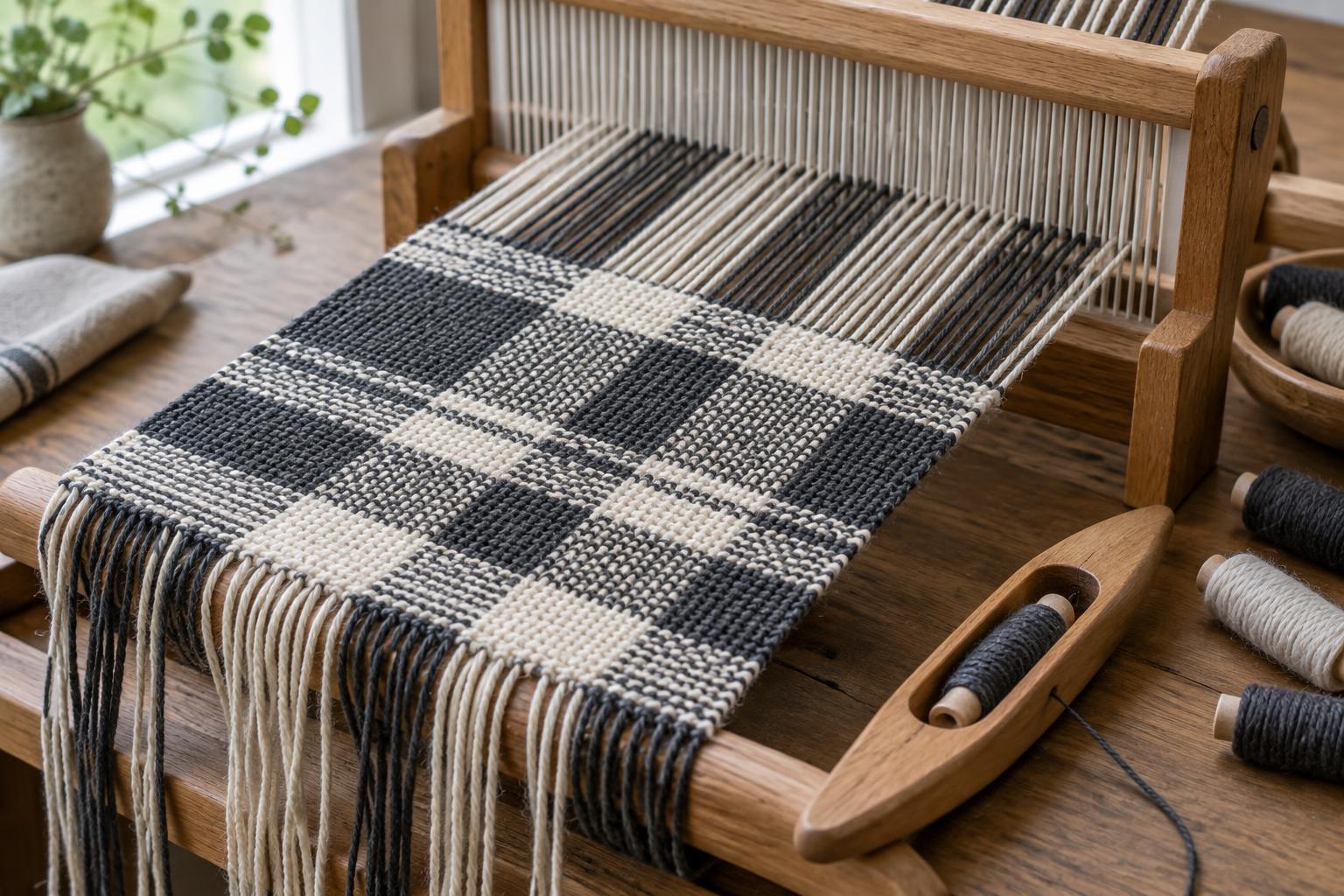
Textiles and WeavingPlain weave can produce more than a simple solid cloth. By arranging light and dark yarns in the warp and weft, a weaver can create apparent lines, checks and blocks without changing the weave structure. Learn how the effect works and how to plan a useful sample.
Read article · 3 min↗
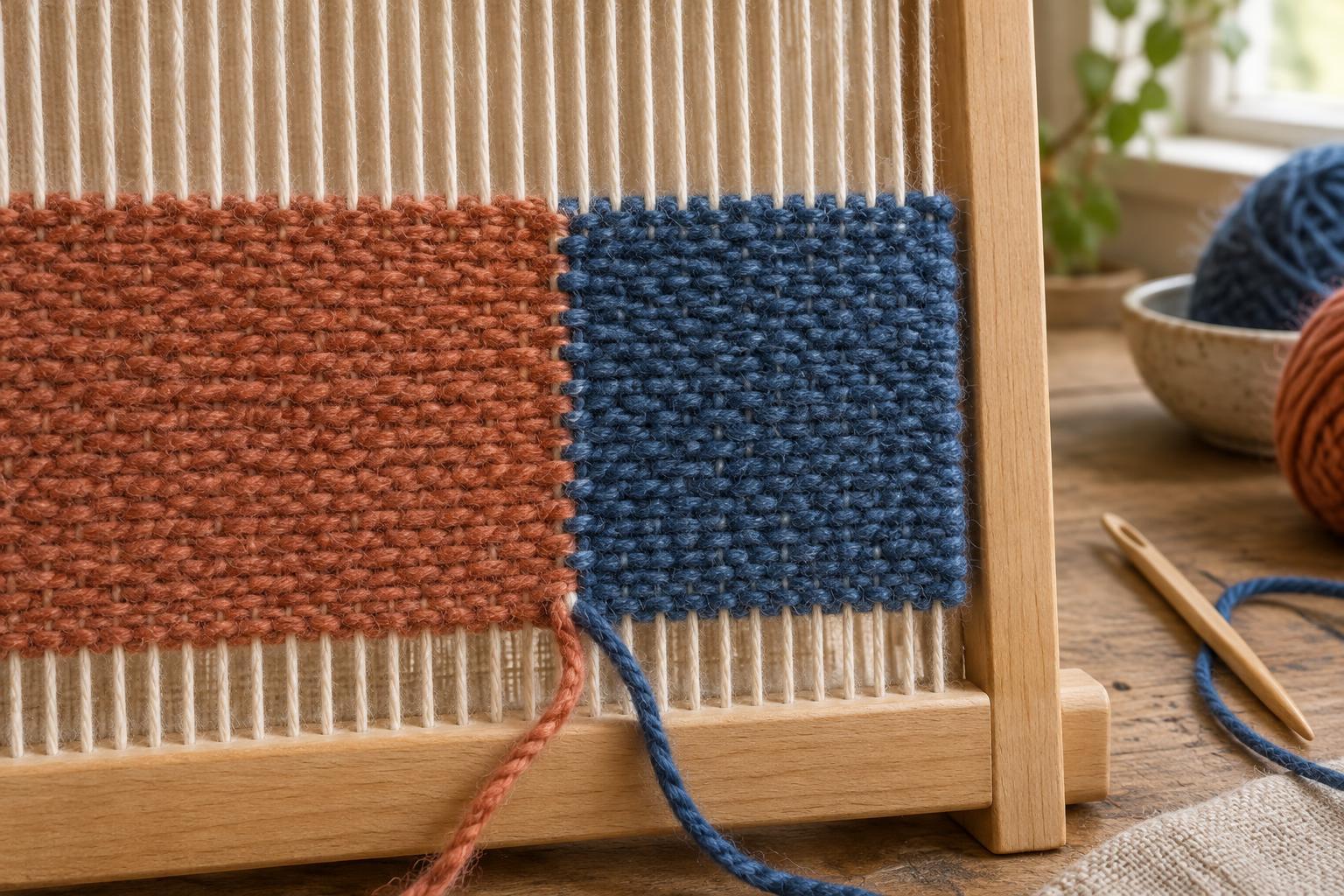
Textiles and WeavingWhen two tapestry colours meet, separate turns can leave an opening between them. Learn how shared-warp turns, interlocking wefts and careful finishing can keep colour boundaries connected without adding unnecessary bulk.
Read article · 4 min↗
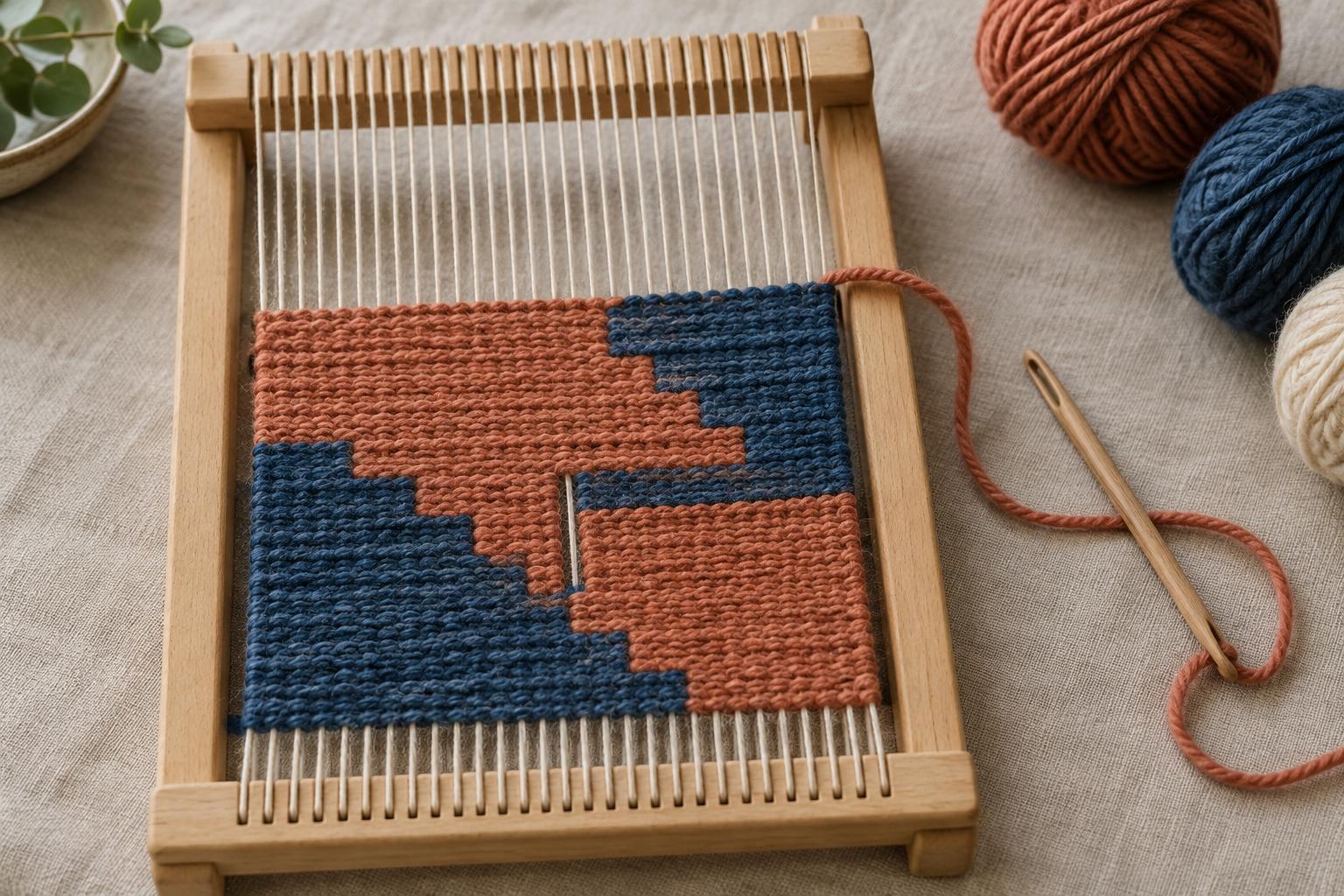
Textiles and WeavingIn tapestry weaving, a weft can turn back at the edge of a shape instead of crossing the whole loom. Learn how this builds areas of colour, what happens where shapes meet, and how to keep edges and tension under control.
Read article · 5 min↗
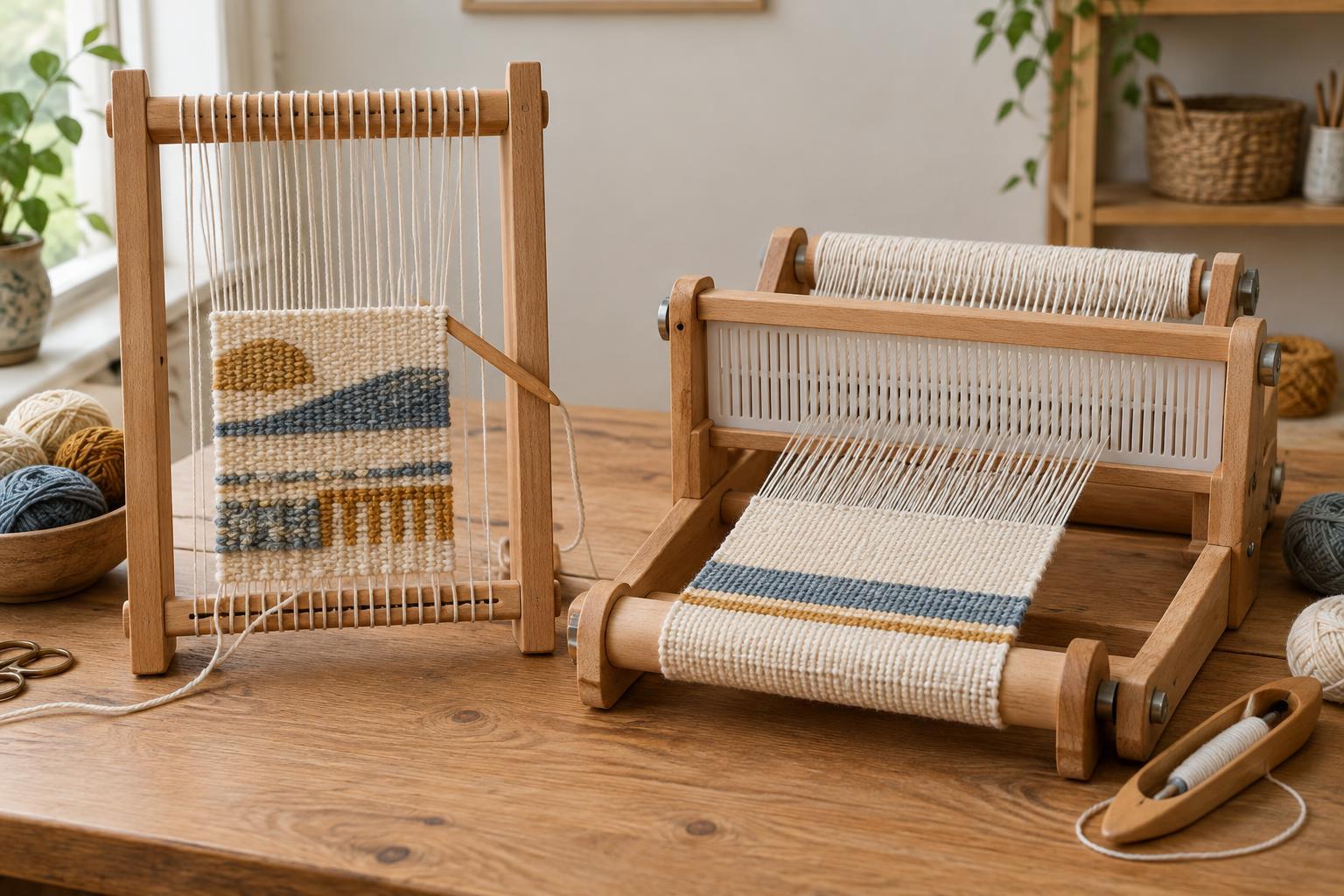
Textiles and WeavingA rigid-heddle loom and a simple frame loom can both teach the basics of weaving, but they make different tasks easier. Learn how each handles the warp, sheds and finished cloth, and which projects make a useful first try.
Read article · 4 min↗
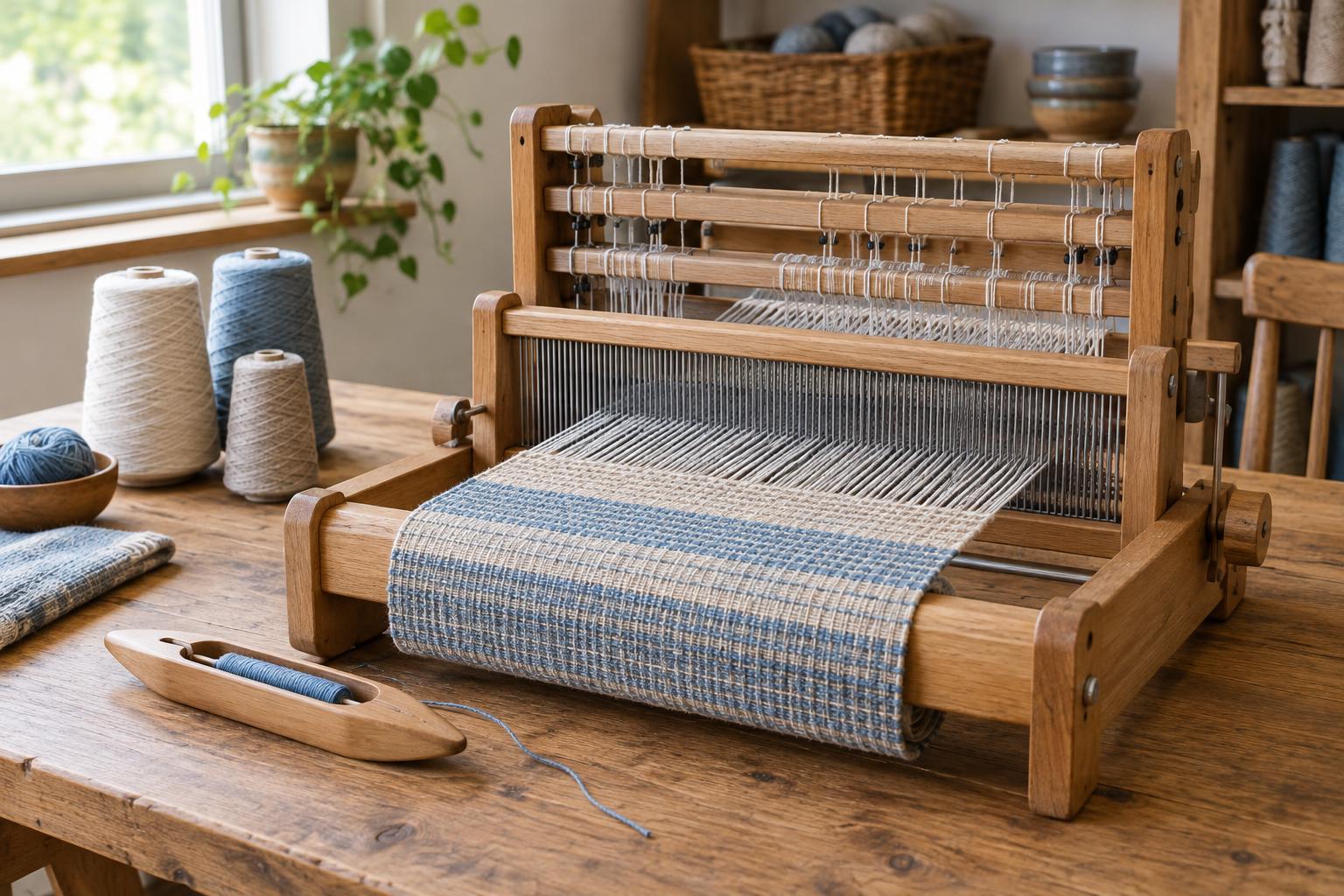
Textiles and WeavingA weaving draft is a compact plan for arranging warp threads and operating a loom. Learn what the threading, tie-up and treadling grids show, then follow a simple plain-weave example from setup to finished cloth.
Read article · 4 min↗
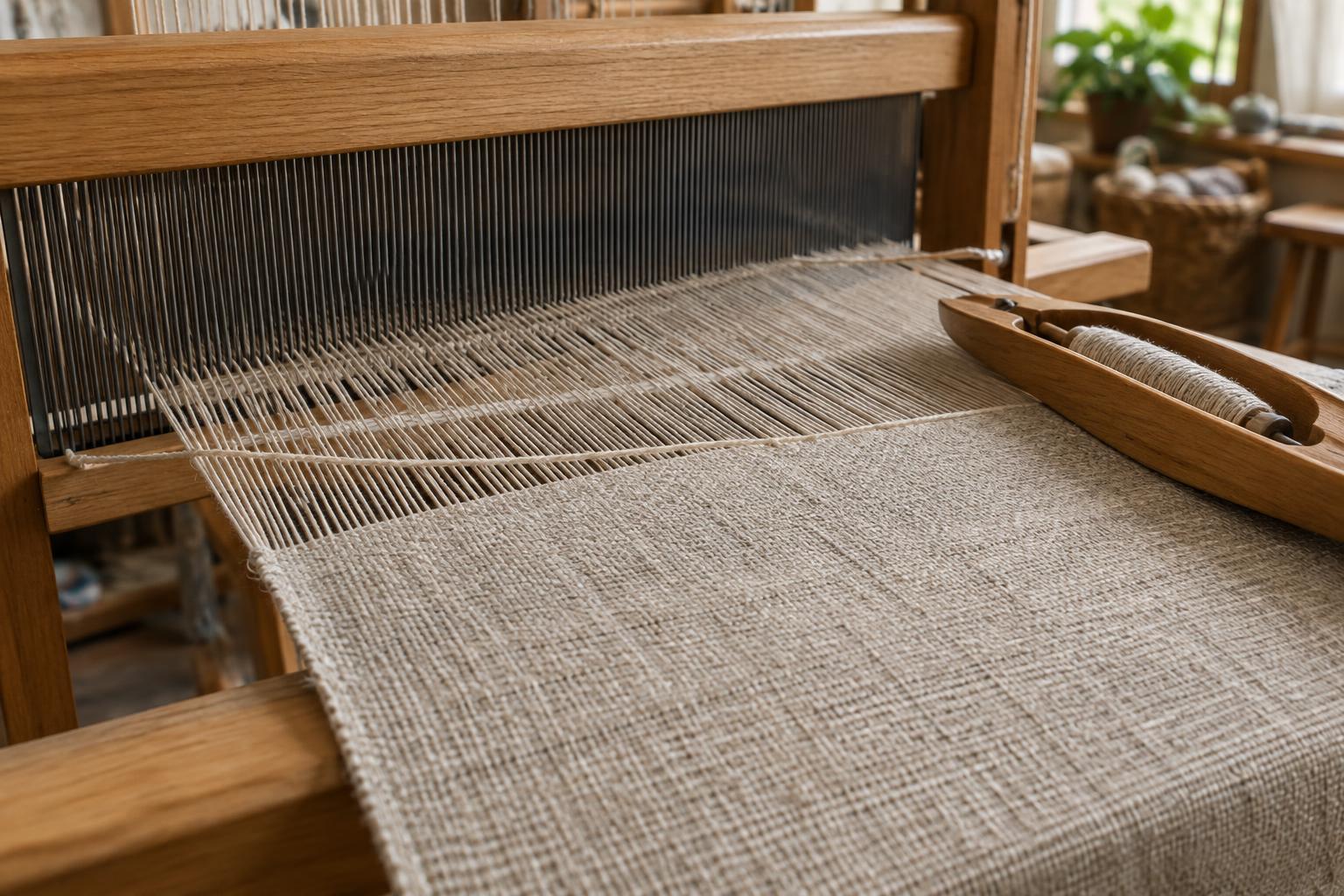
Textiles and WeavingNarrowing at the selvedges is a common challenge in handweaving. Learn why a straight weft can pull the outer warp threads inward, how to add the right amount of slack, and which loom habits help keep edges even.
Read article · 4 min↗
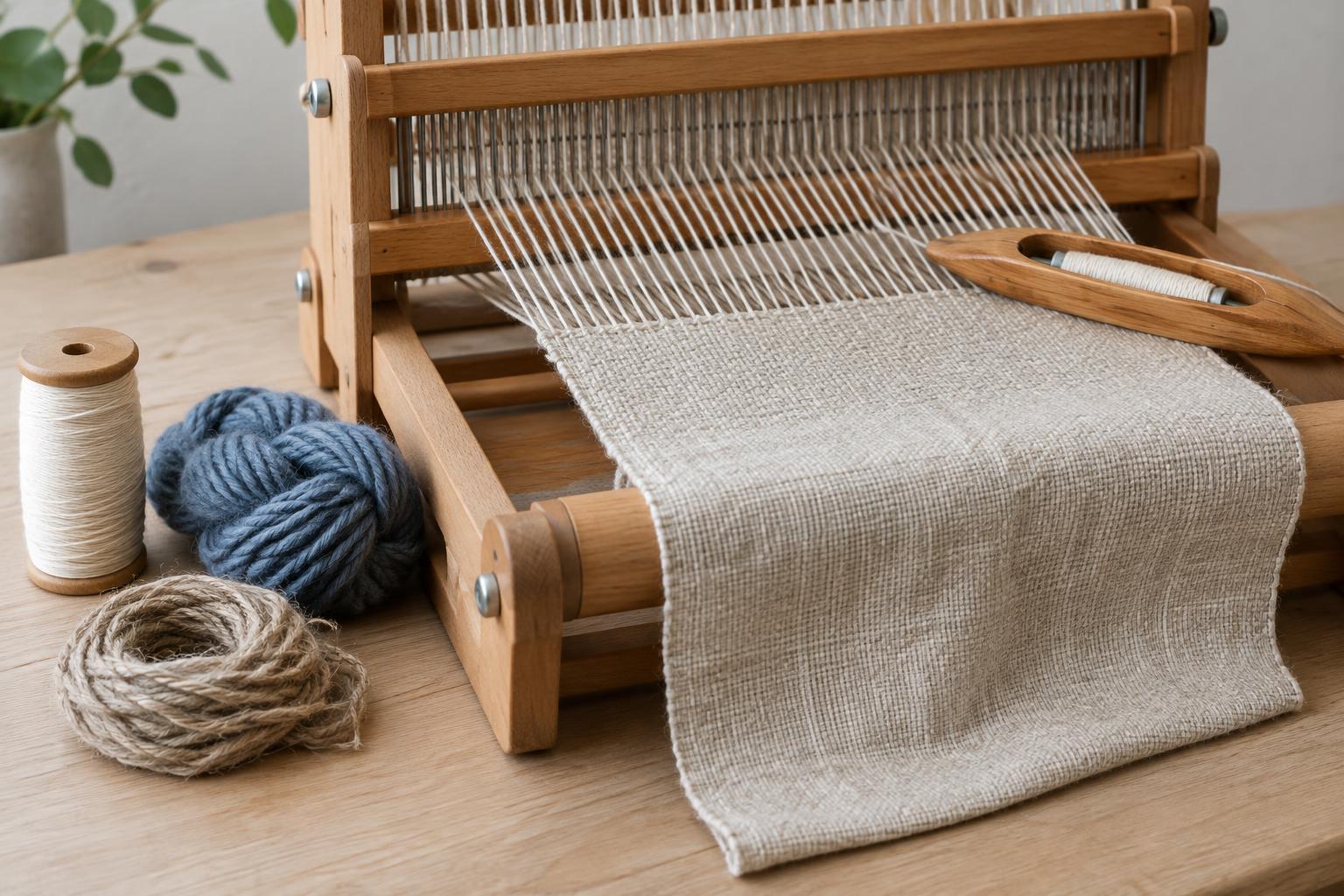
Textiles and WeavingA weft yarn affects how a woven cloth bends, feels and holds together. Learn how yarn thickness, fibre, twist and finishing interact with warp spacing and weave structure, then use a small sample to choose a weft with confidence.
Read article · 4 min↗
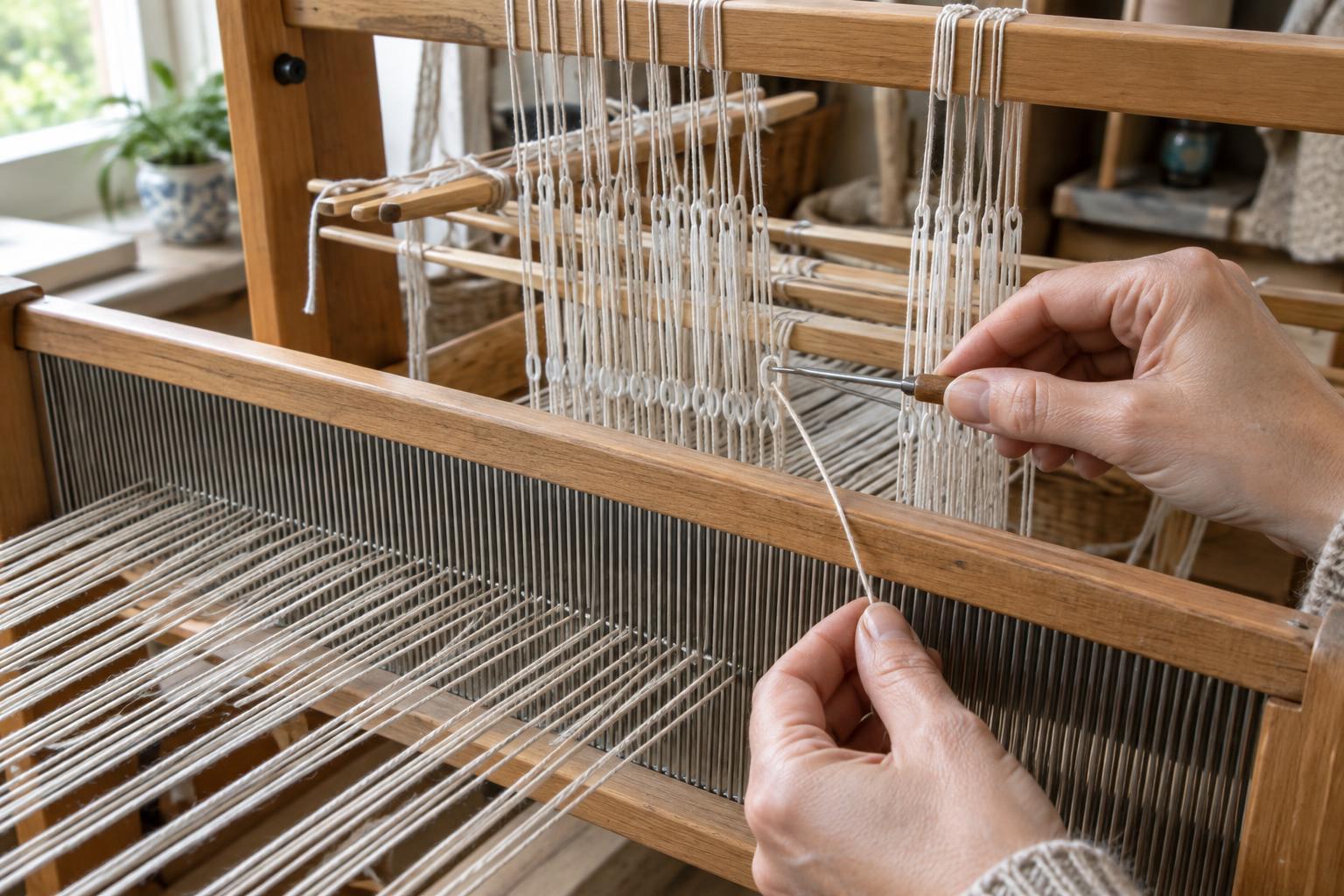
Textiles and WeavingThreading and sleying give each warp end a path through the loom. Learn how to preserve the warp cross, follow a simple threading order, space ends in the reed and check for errors before weaving.
Read article · 4 min↗
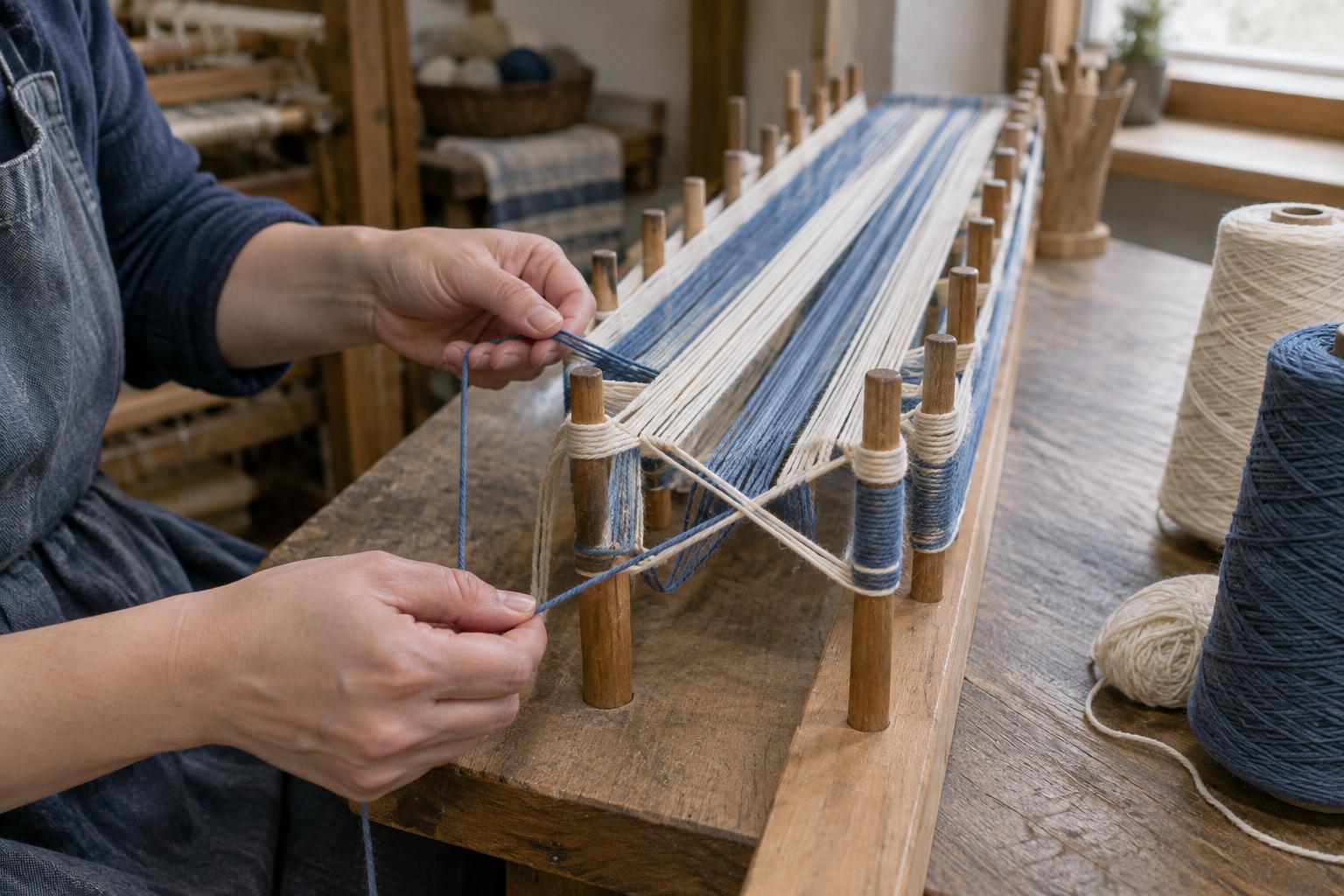
Textiles and WeavingA reliable warp begins with a clear path, steady tension and a cross that preserves the order of the ends. Learn how to set up a warping board or mill, manage colour changes and carry the warp to the loom without turning it into a tangle.
Read article · 4 min↗
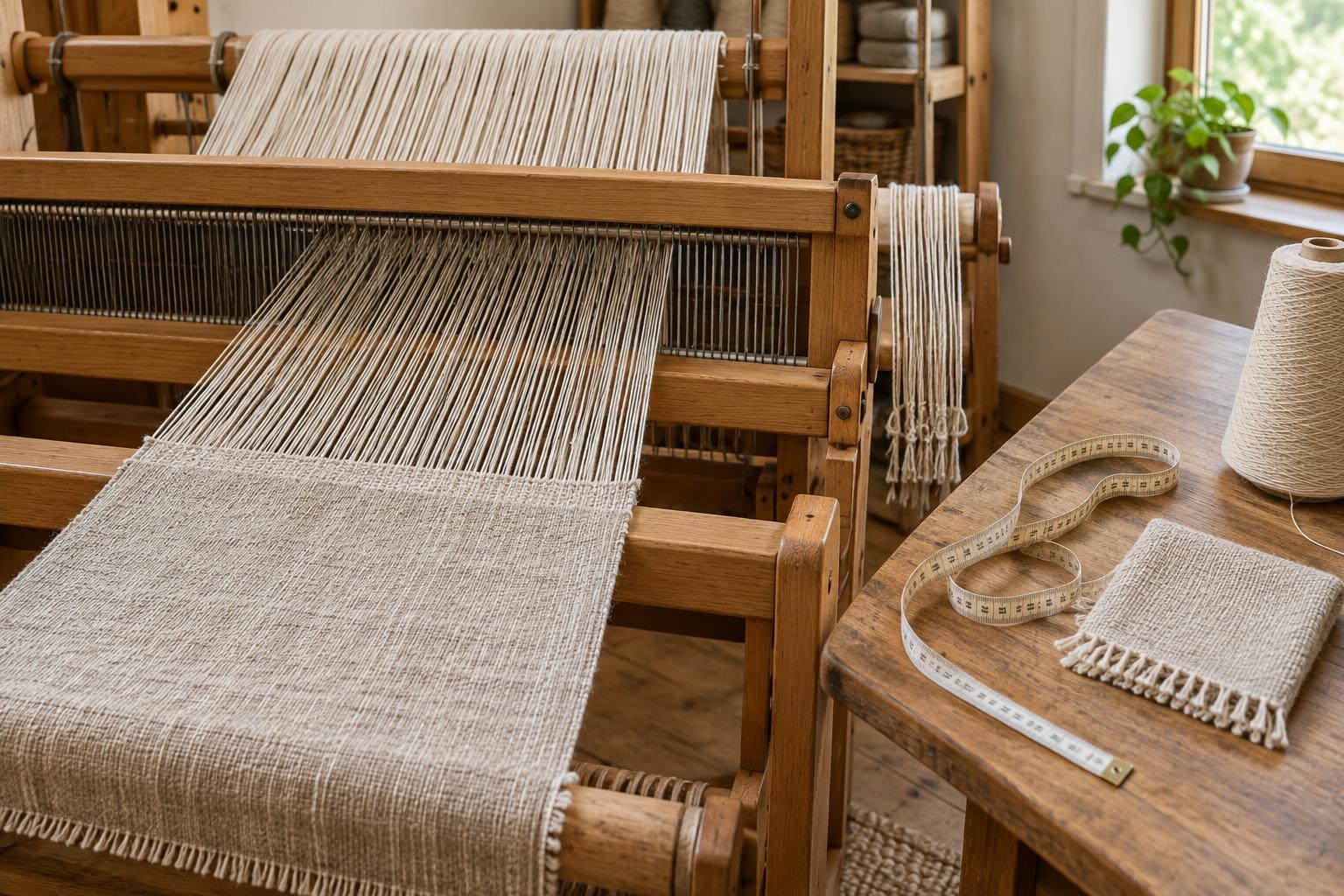
Textiles and WeavingA finished scarf or table runner needs more warp than its intended length. Learn how to allow separately for take-up during weaving, shrinkage during finishing, and the warp that cannot become cloth.
Read article · 4 min↗
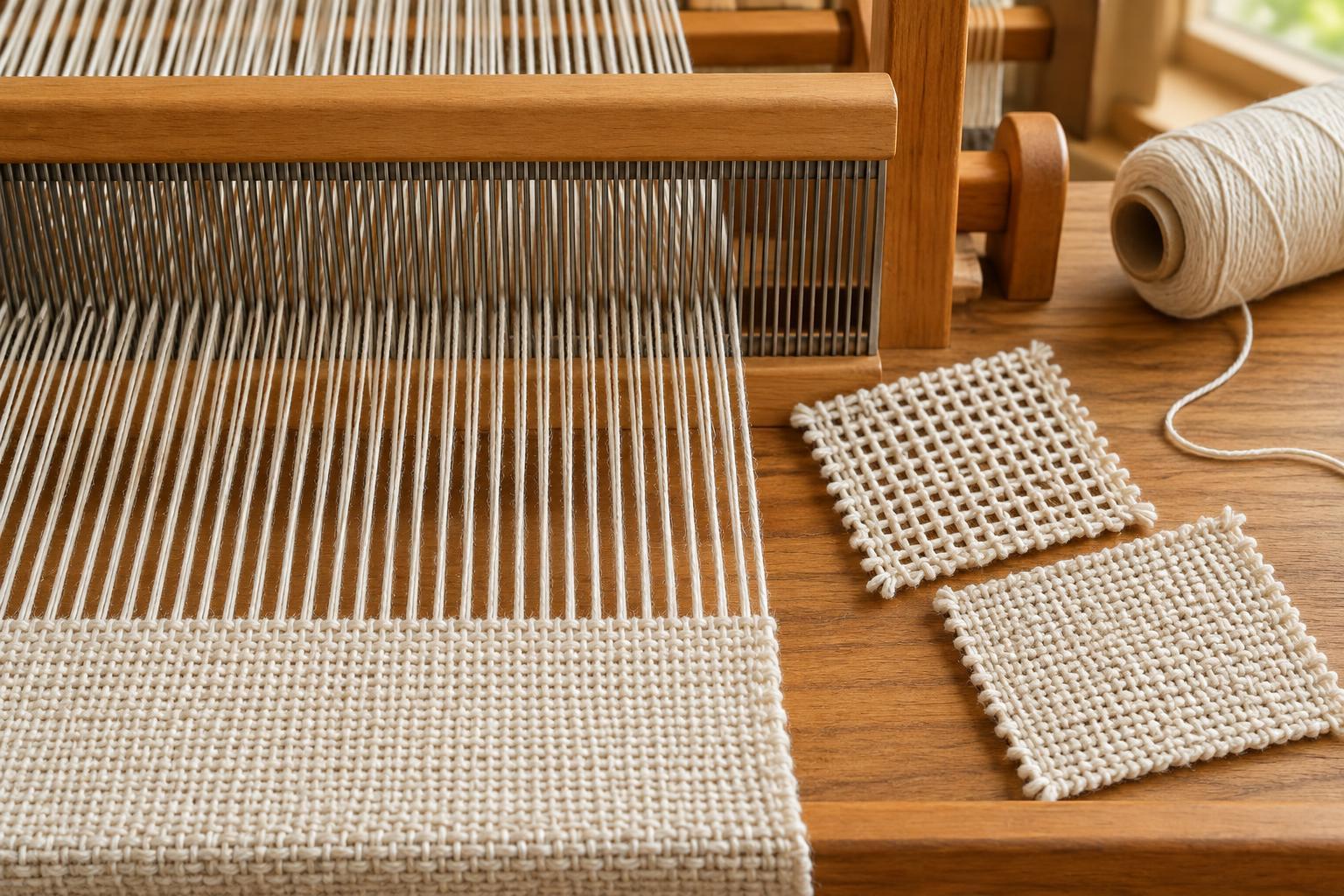
Textiles and WeavingSett describes how closely warp threads are placed in a woven fabric. Learn how ends per inch affect drape, coverage and durability, why weave structure matters, and how to test a sett before committing to a project.
Read article · 4 min↗
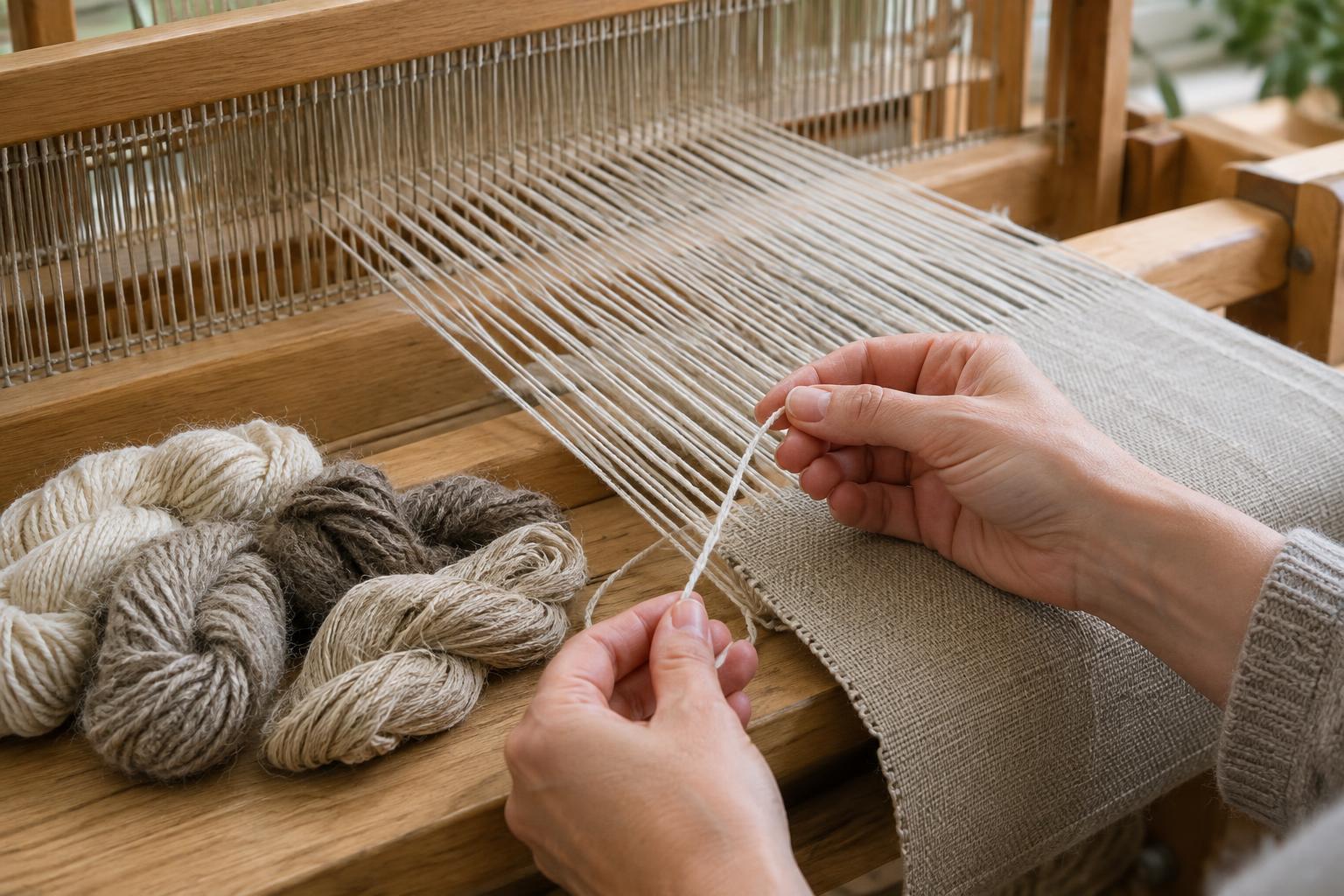
Textiles and WeavingWarp yarn must do more than look right in a finished cloth. Learn how to assess strength, resistance to rubbing and stretch, then test a candidate yarn before dressing the loom.
Read article · 4 min↗
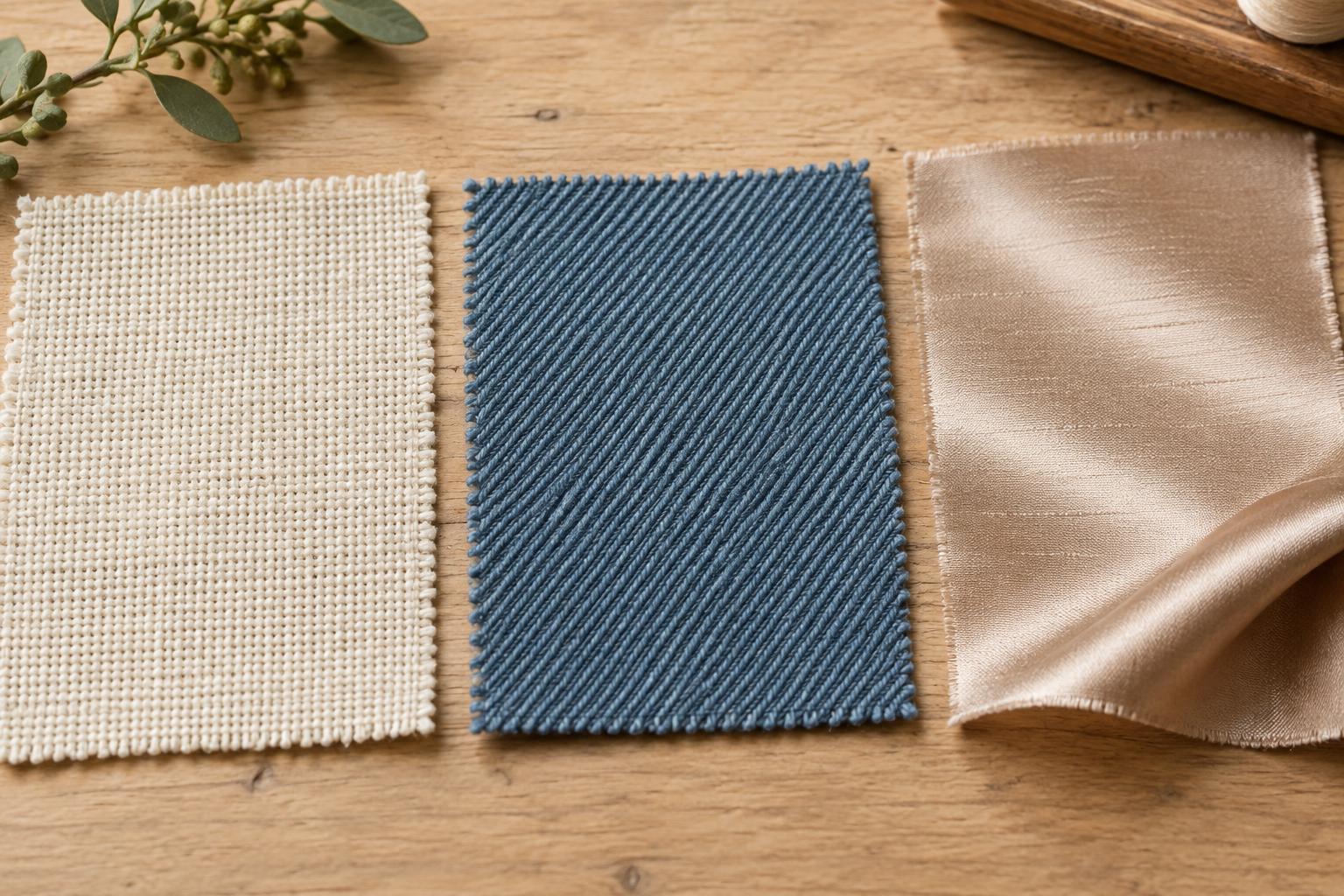
Textiles and WeavingPlain, twill and satin describe how warp and weft threads cross, not what the threads are made from. Learn to spot each structure and understand how its pattern affects the look and feel of a fabric.
Read article · 4 min↗
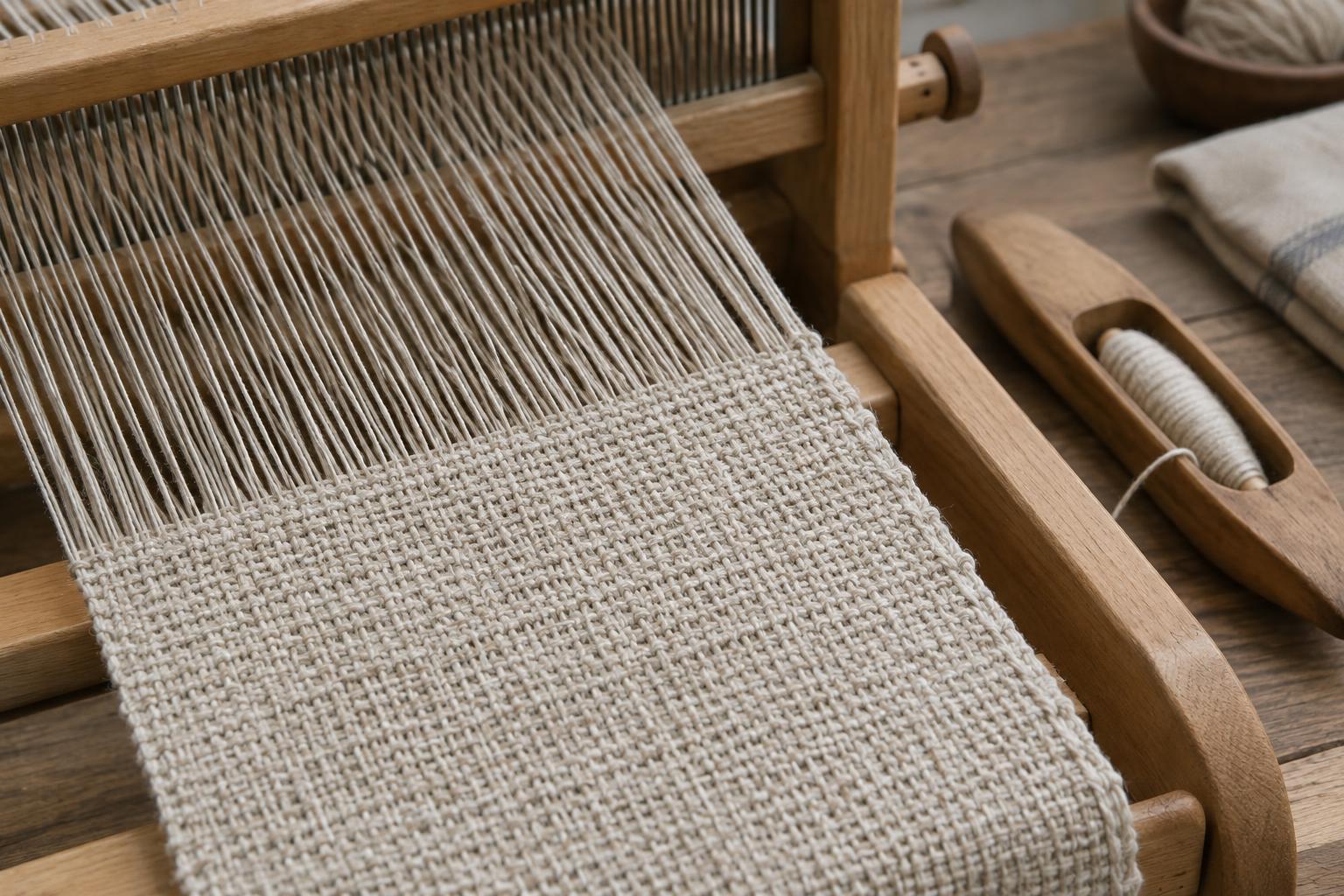
Textiles and WeavingLearn how lengthwise warp threads, crosswise weft threads and finished selvedge edges work together. These simple terms make it easier to understand a fabric’s structure, recognise construction details and handle woven cloth with care.
Read article · 4 min↗
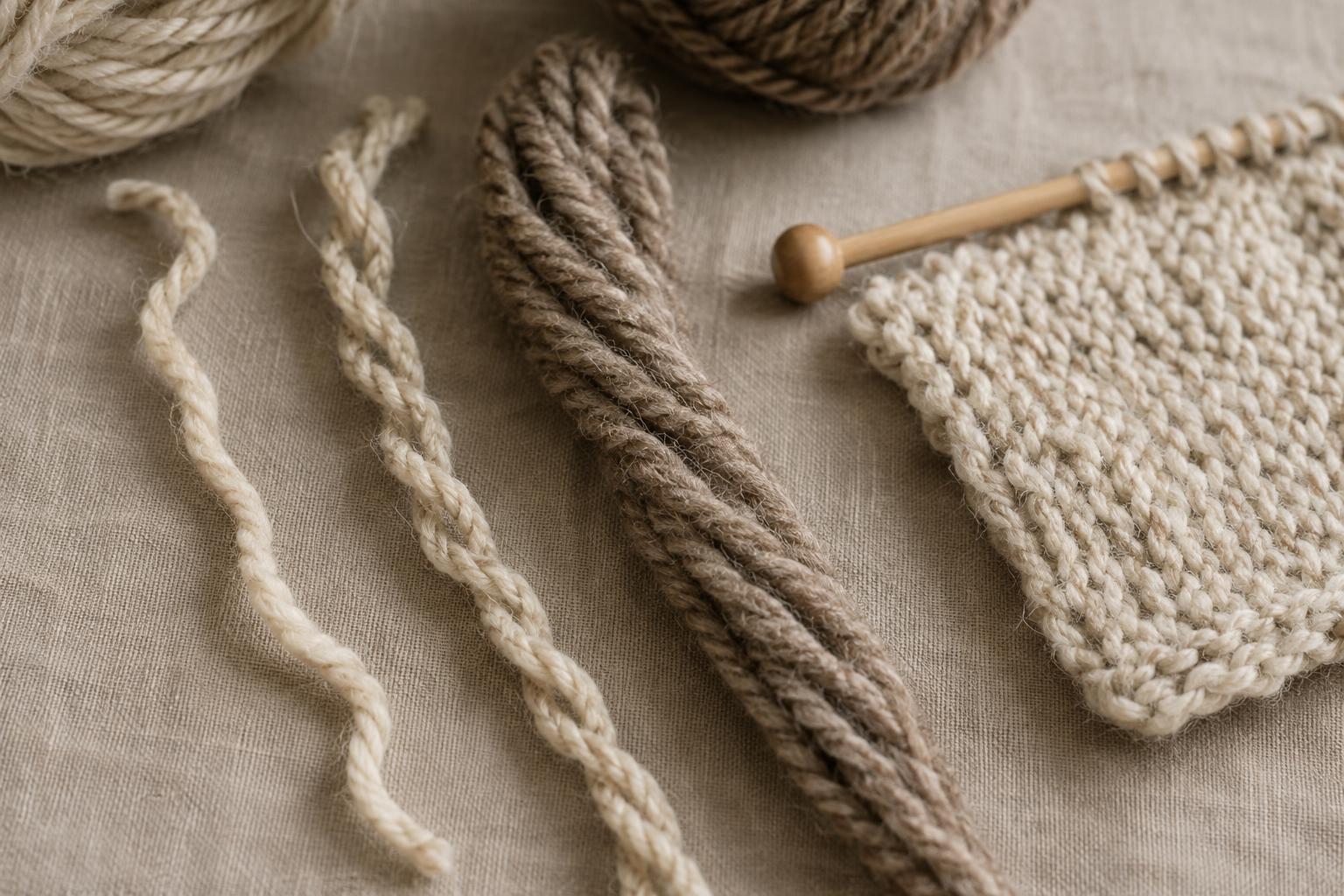
Textiles and WeavingThe way fibres are twisted into a strand, and strands are combined into yarn, affects how a textile feels and wears. Learn to recognise twist and ply, and use a simple swatch to see how a yarn behaves before making a larger piece.
Read article · 4 min↗
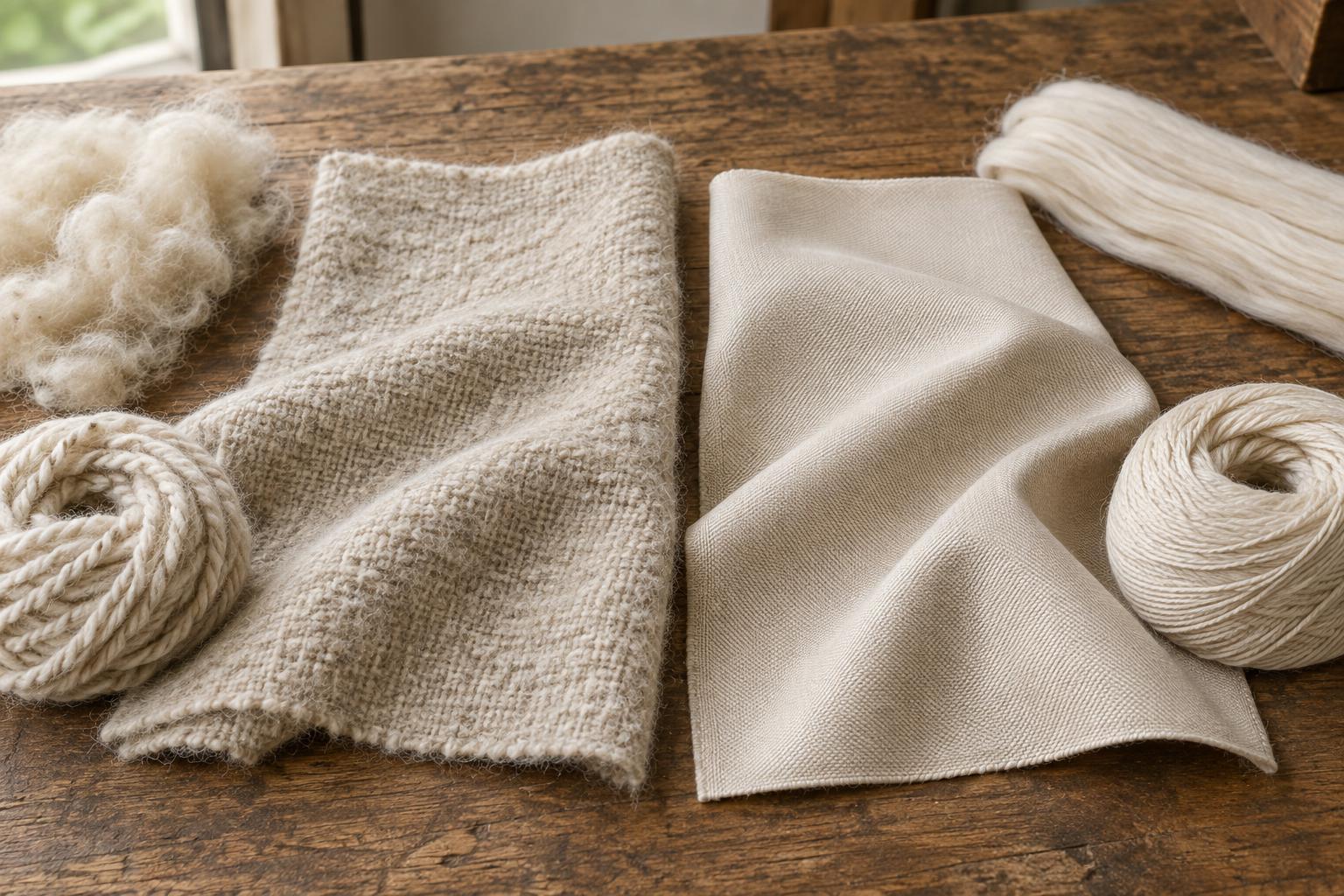
Textiles and WeavingWoollen and worsted describe two approaches to preparing and spinning fibres, not simply two kinds of wool. Learn how fibre arrangement affects a cloth’s texture, drape, warmth and wear, and what to look for when examining a finished textile.
Read article · 4 min↗
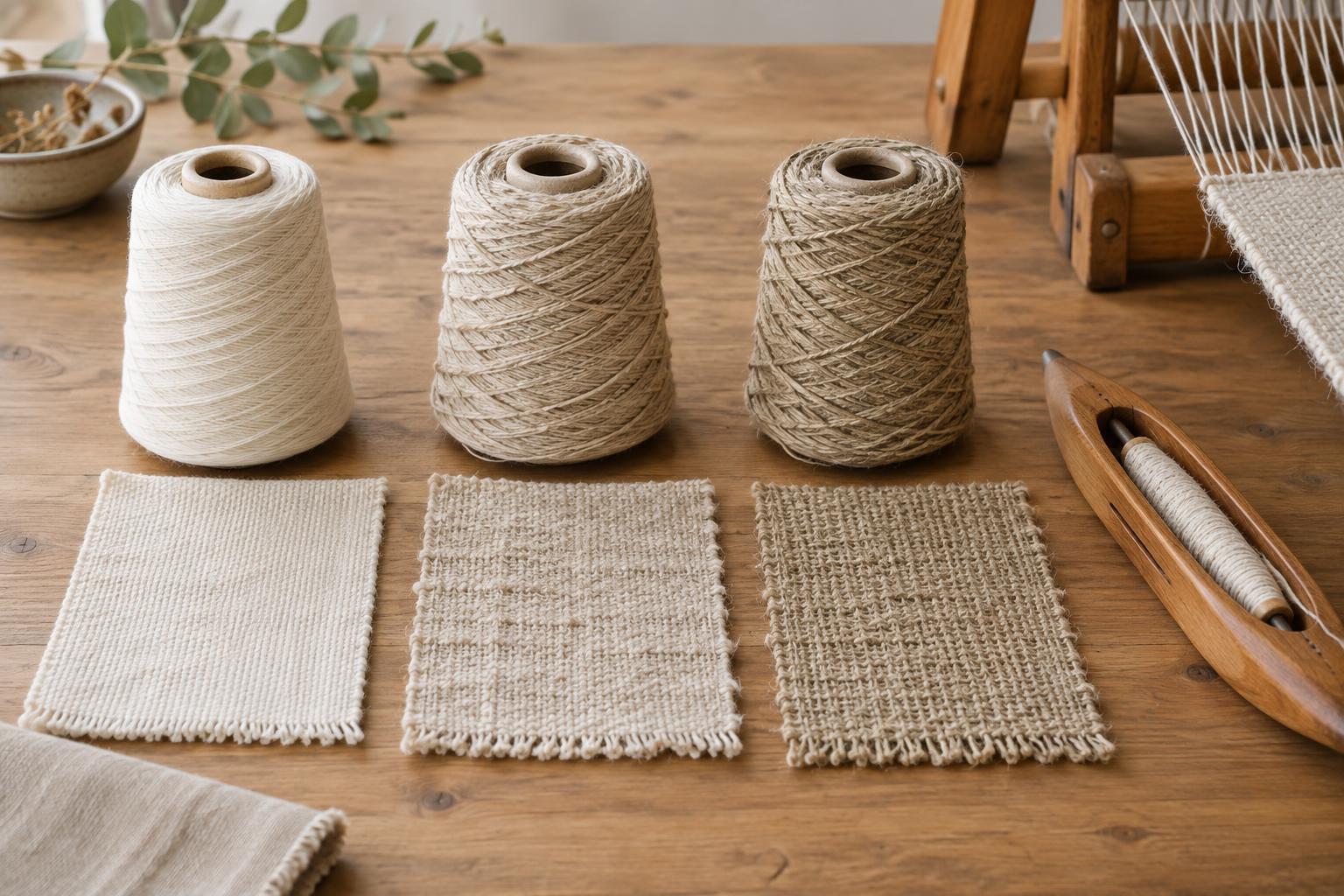
Textiles and WeavingCotton, linen and hemp can all make durable woven cloth, but their fibres behave differently on the loom and in the finished fabric. Learn how fibre length, yarn construction and finishing affect texture, drape and care.
Read article · 4 min↗
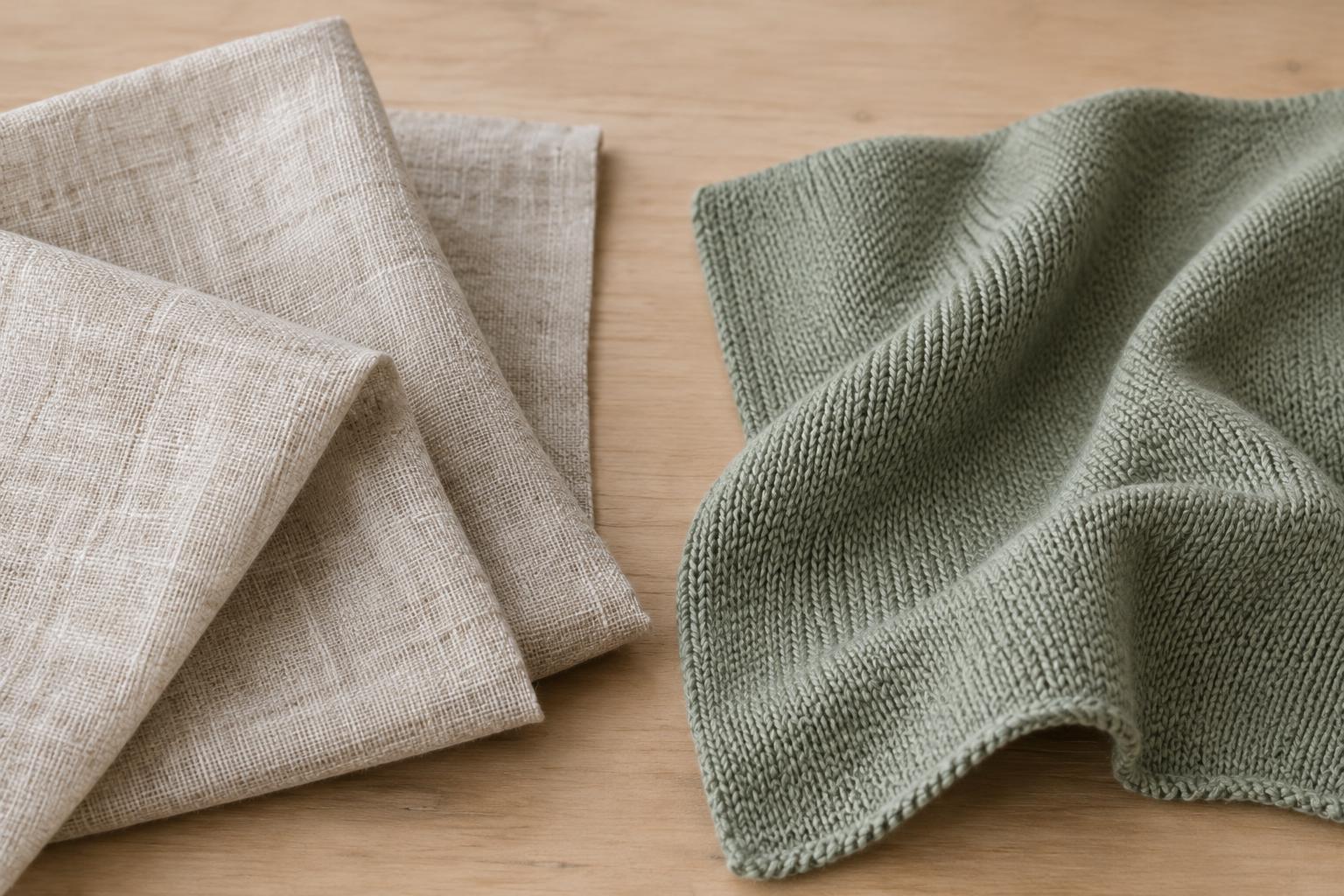
Textiles and WeavingWoven and knitted fabrics can feel very different even when made from similar fibres. Learn how interlaced yarns and connected loops affect stretch, movement and drape, and how to recognise each structure in an unfamiliar textile.
Read article · 4 min↗