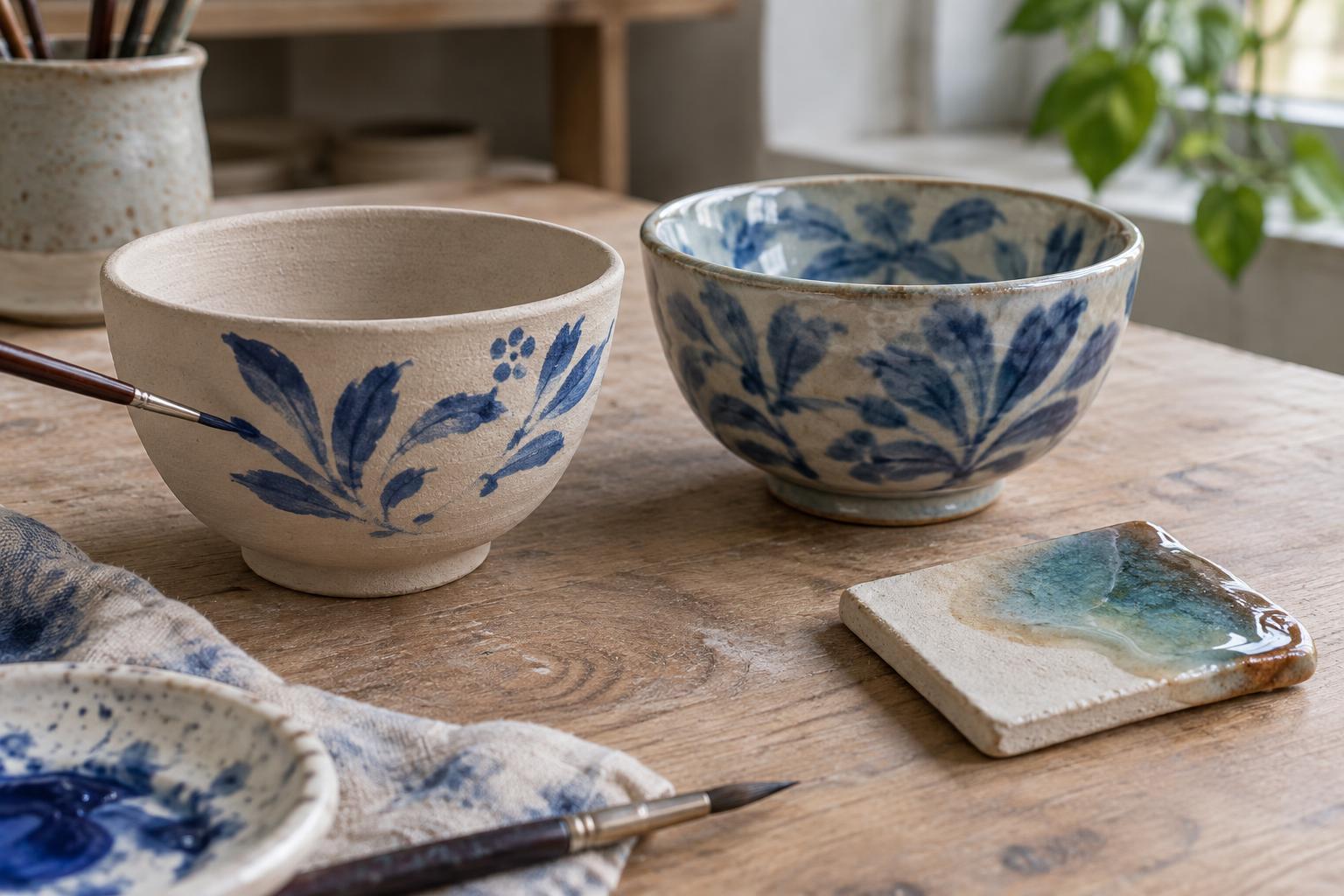
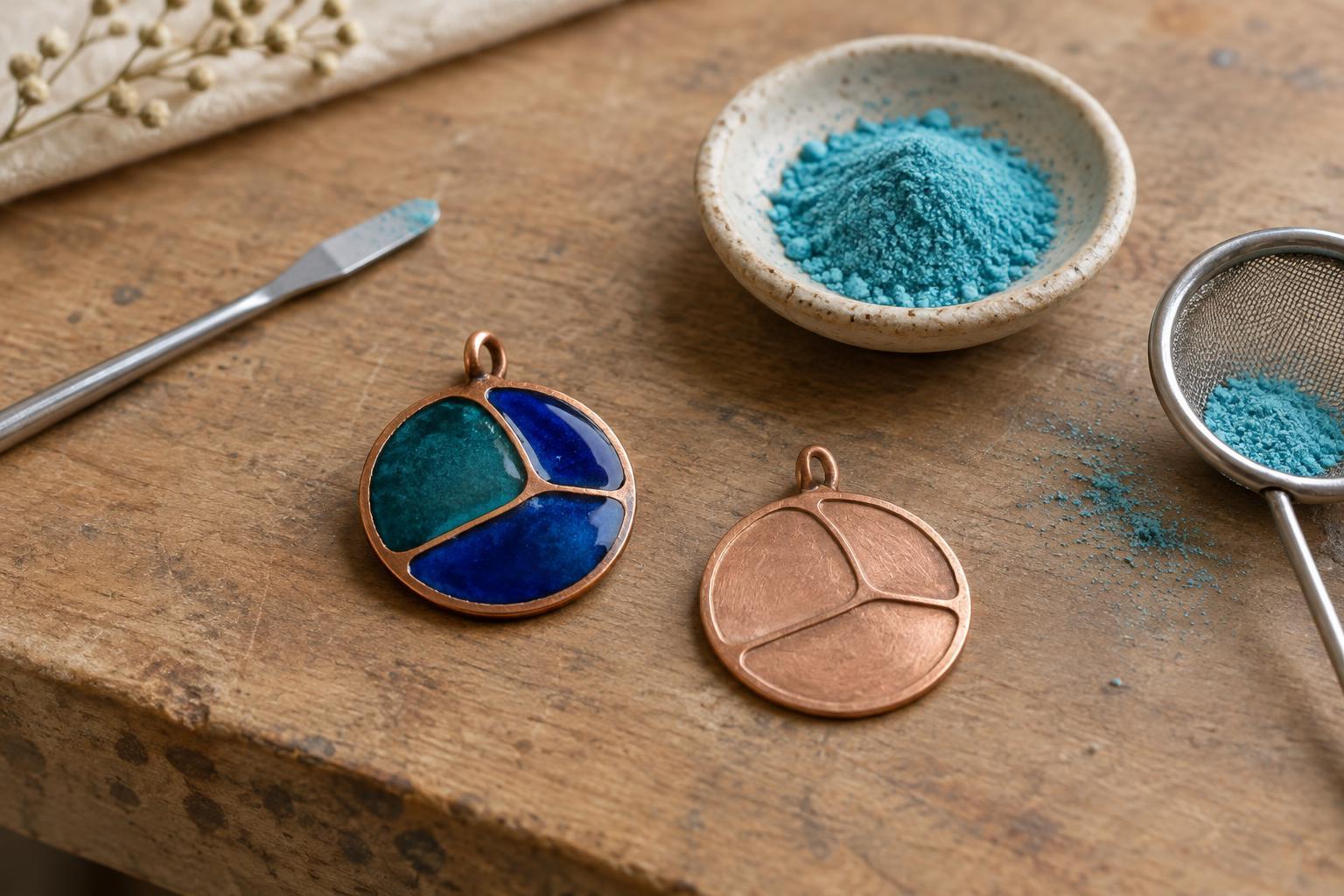
Jewellery and Decorative ArtsA ceramic object may be coloured before it is glazed, by the glaze itself, or both. Learn when underglaze and glaze are applied, how each affects the finished surface, and what to look for when examining a handmade piece.
Read article · 4 min↗
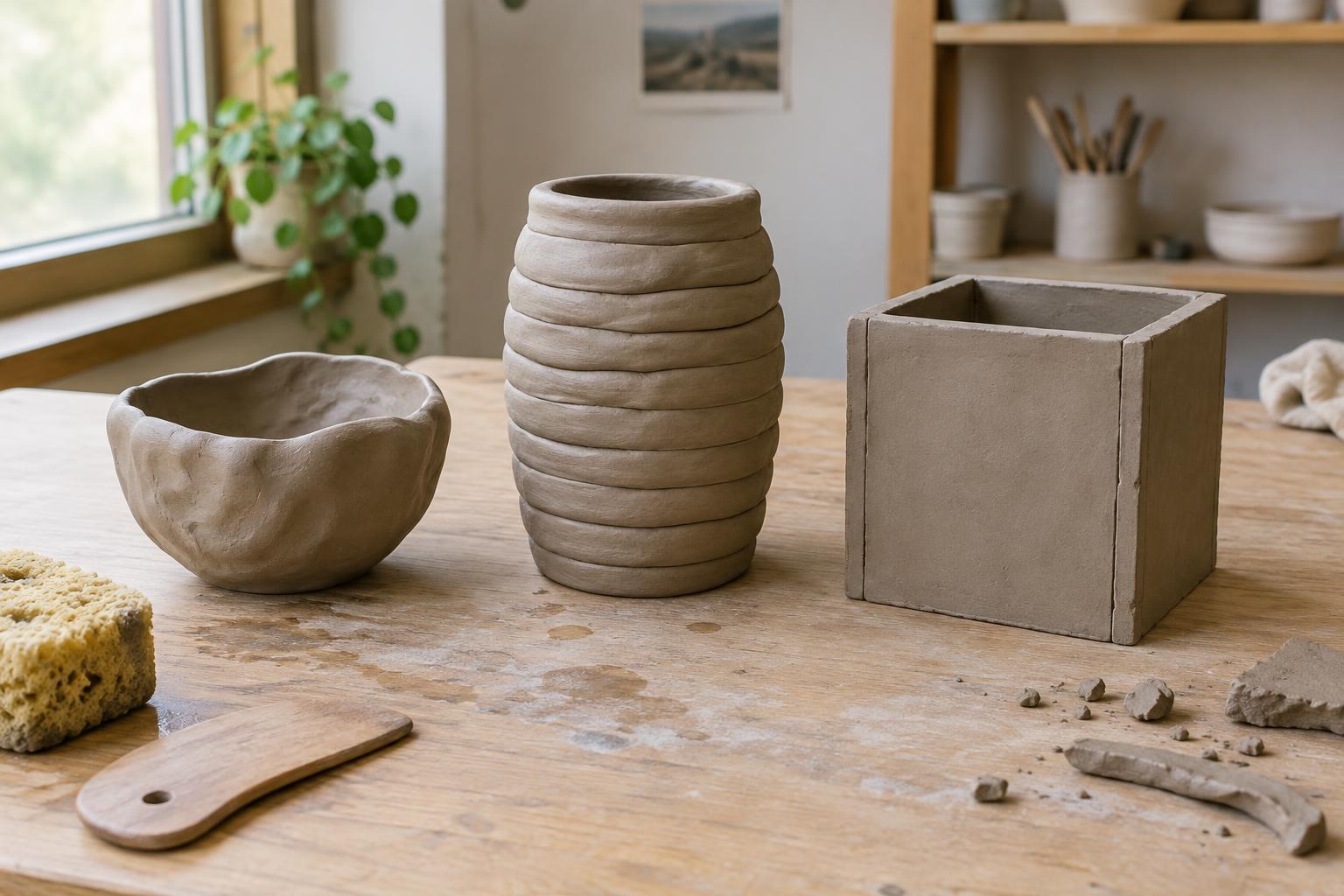
Jewellery and Decorative ArtsHandbuilding starts with clay and a few simple movements, but each method leaves different possibilities for shape and surface. Learn how pinch, coil and slab building work, what details they leave behind, and how careful drying and joining help a piece hold together.
Read article · 4 min↗
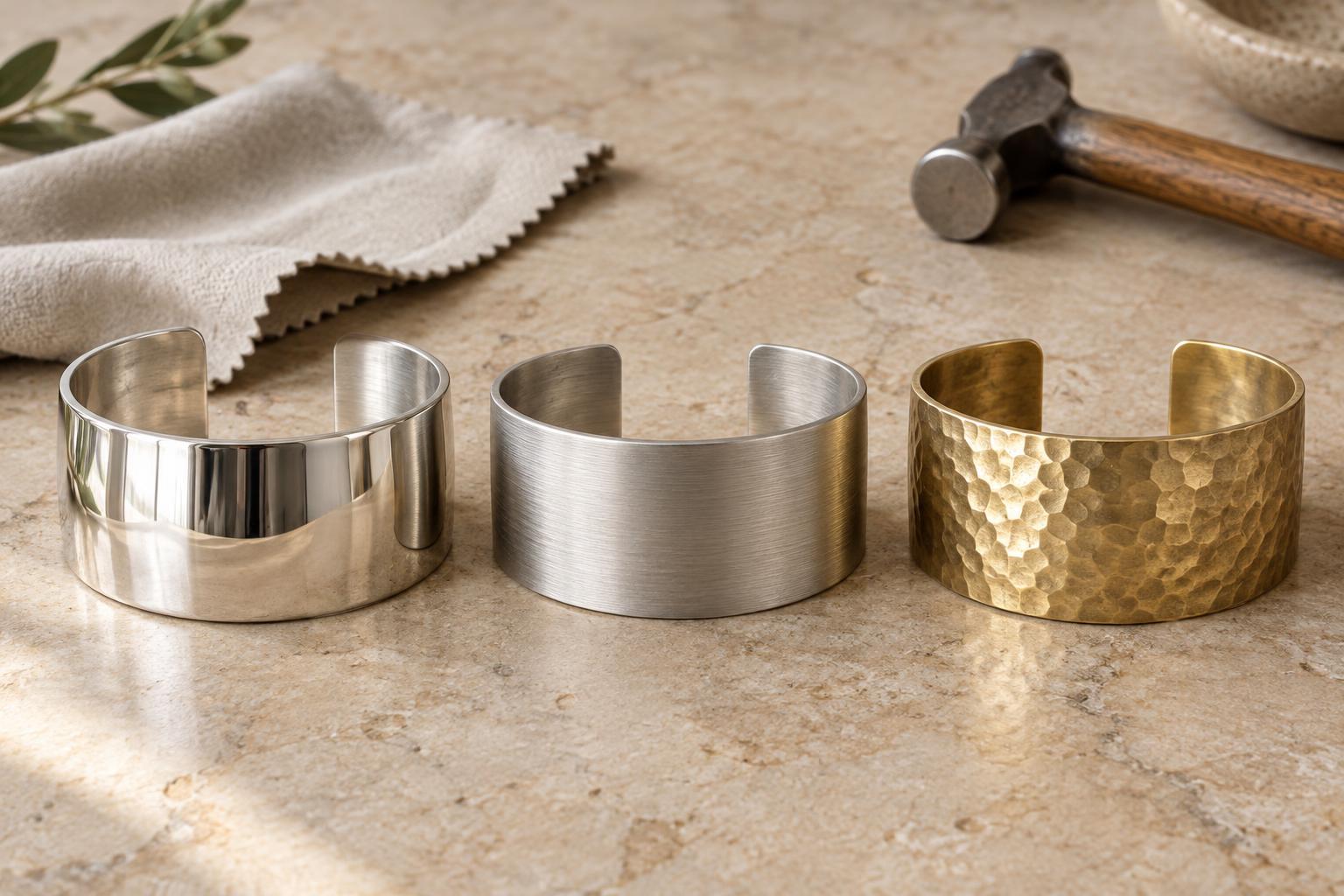
Jewellery and Decorative ArtsA metal surface can be mirror-bright, softly lined or covered in small facets. Learn how polishing, brushing and hammering create those effects, what to look for in a finished object, and how to care for each texture.
Read article · 4 min↗
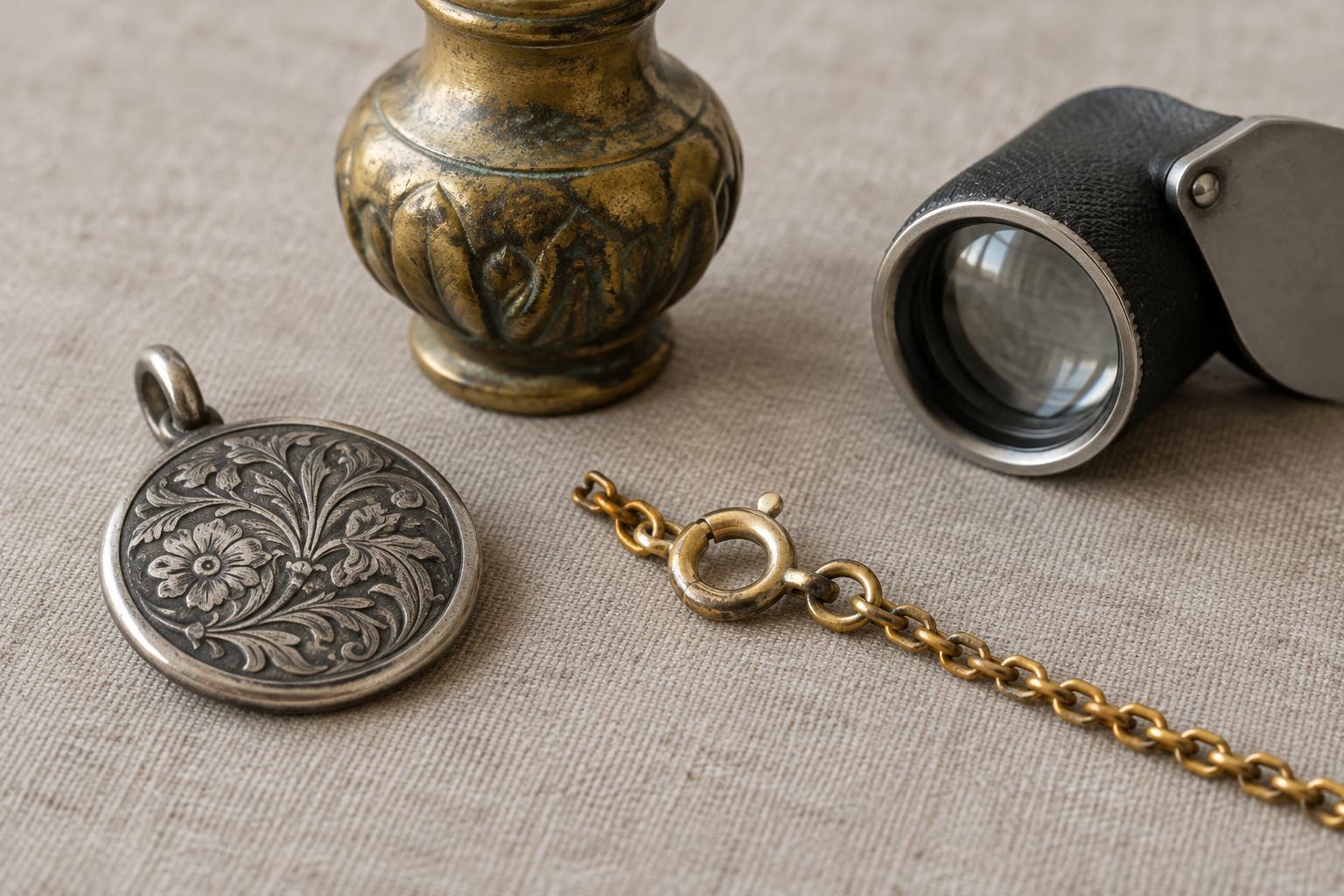
Jewellery and Decorative ArtsA darkened recess, a bright edge or a warm gold tone can tell you something about an object’s surface, but rarely the whole story. Learn how patina and plating differ, what wear patterns may reveal, and how to examine a piece without damaging it.
Read article · 4 min↗
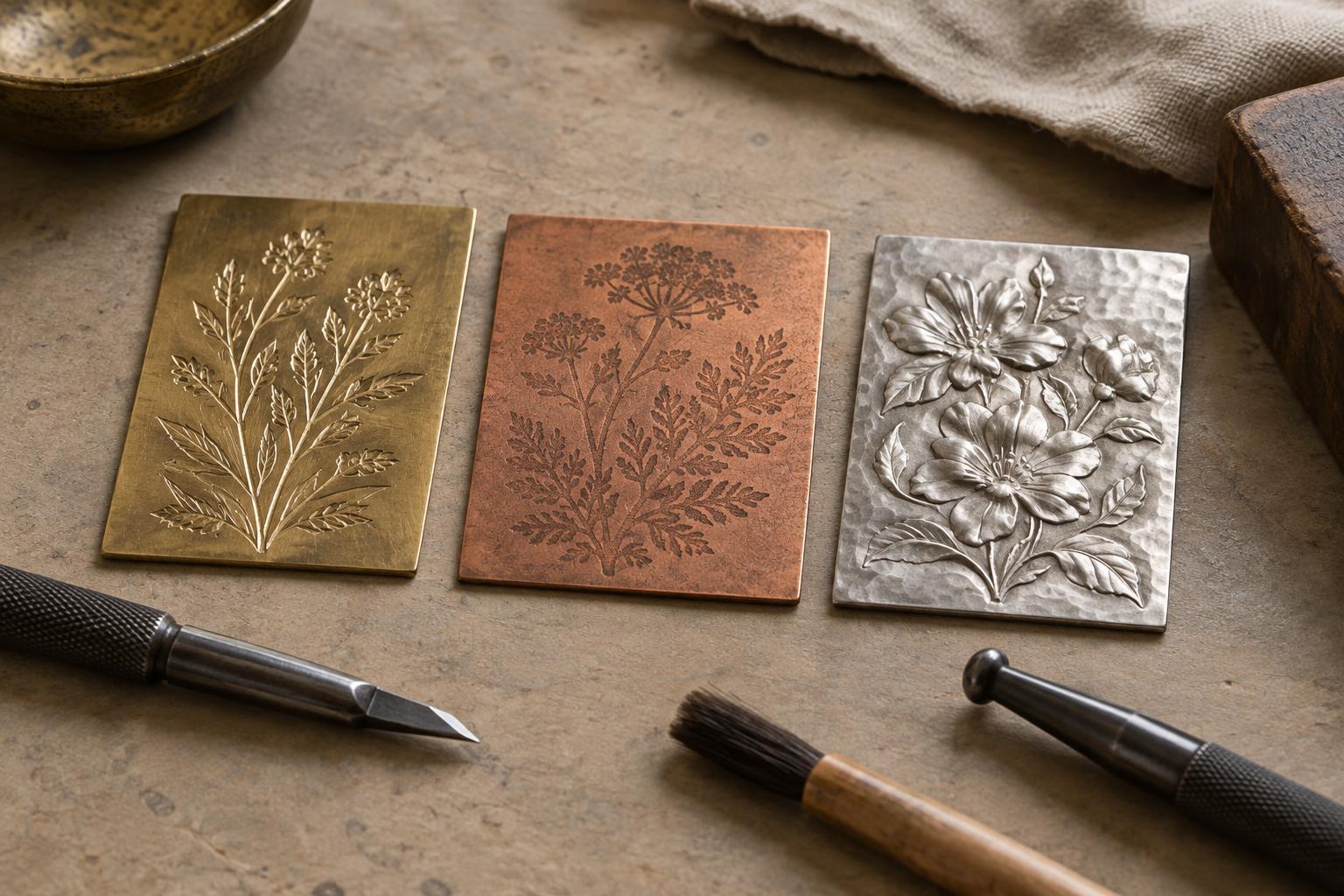
Jewellery and Decorative ArtsA cut line, a chemically bitten pattern and a raised relief can all decorate metal, but they are made in different ways. Learn what engraving, etching and chasing involve, how to look for their construction details, and how to care for a decorated surface.
Read article · 4 min↗
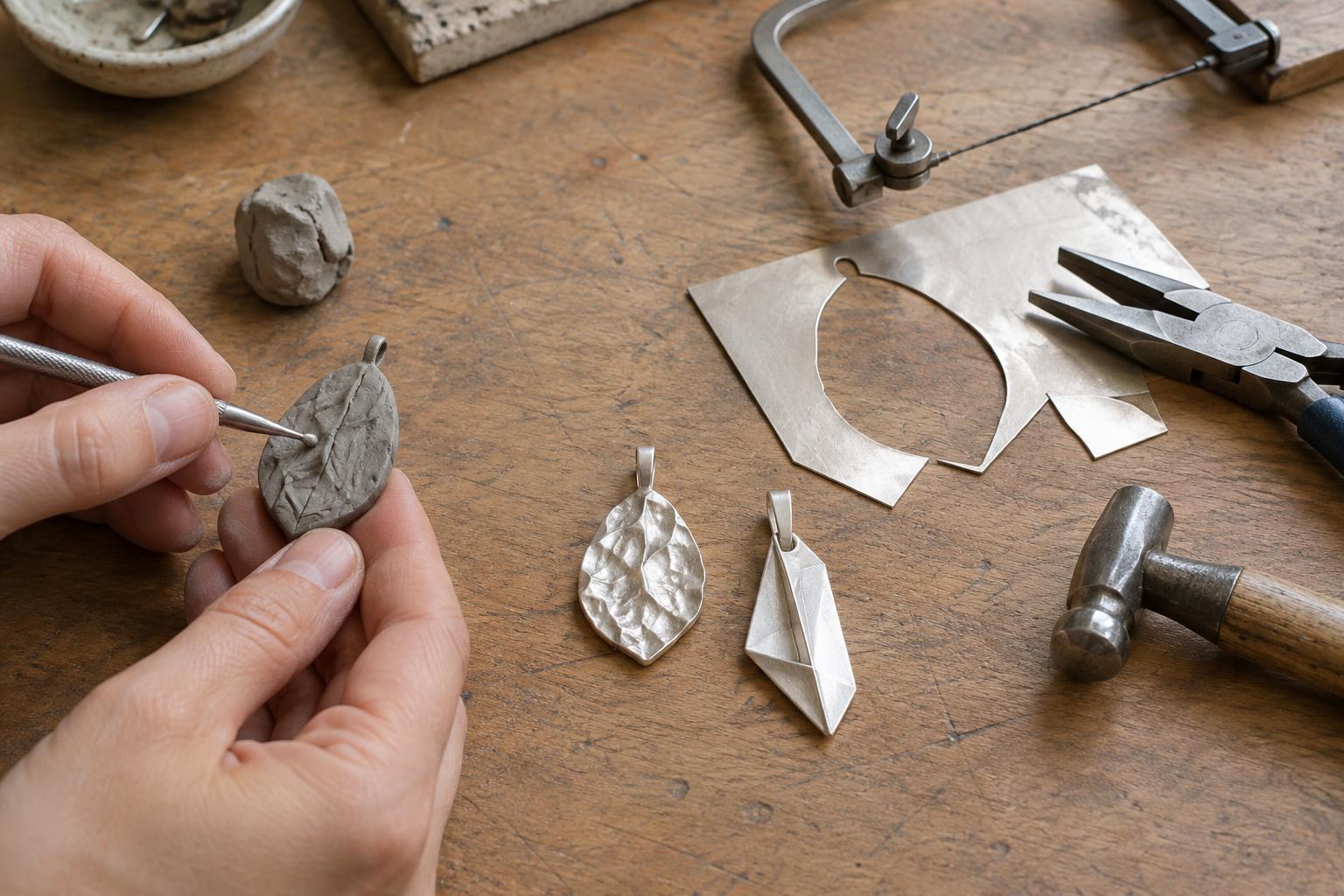
Jewellery and Decorative ArtsMetal clay and sheet metal can both become finished jewellery, but they ask the maker to work in different ways. Learn how each material affects shaping, firing, forming, joining and the details you can see in a finished piece.
Read article · 4 min↗
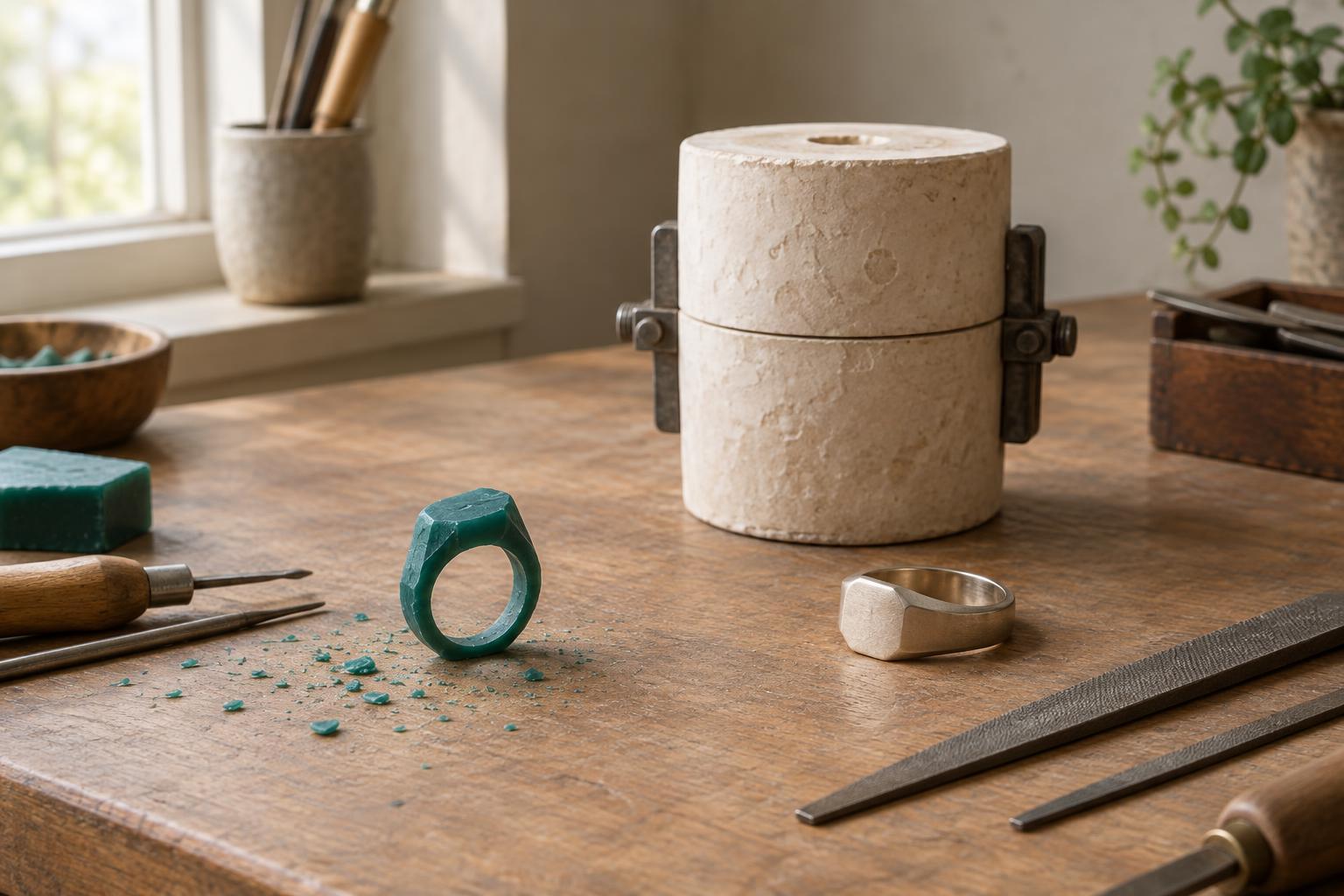
Jewellery and Decorative ArtsLost-wax casting turns a wax model into a metal form through mould-making, burnout, pouring and finishing. Learn what each stage contributes to a piece of jewellery, why small design choices matter and what details to look for in the finished object.
Read article · 4 min↗
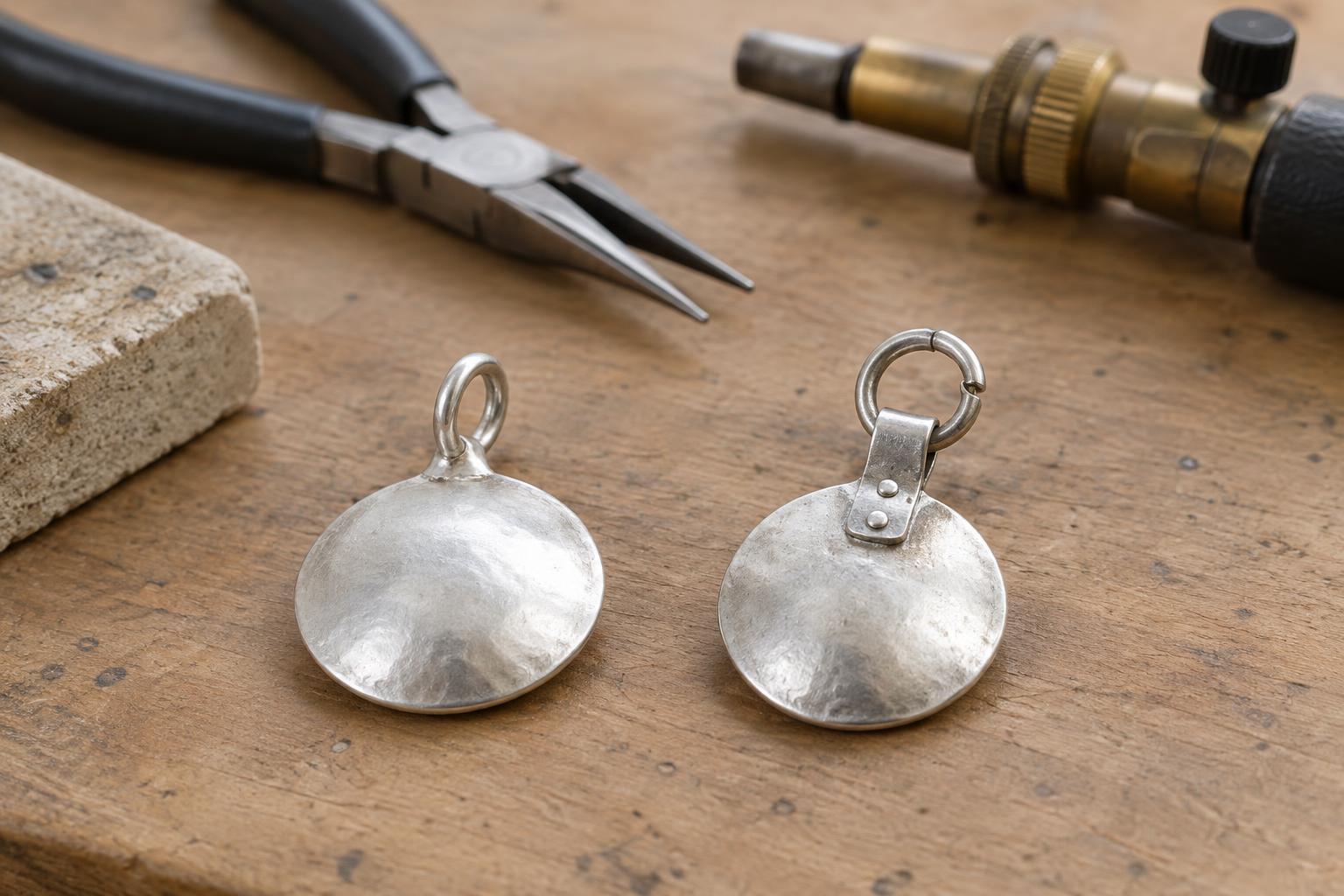
Jewellery and Decorative ArtsA metal jewellery joint may be joined with heat or held together mechanically. Learn how soldered seams differ from rivets, tabs and jump rings, what each method makes possible, and which construction details to look for.
Read article · 4 min↗
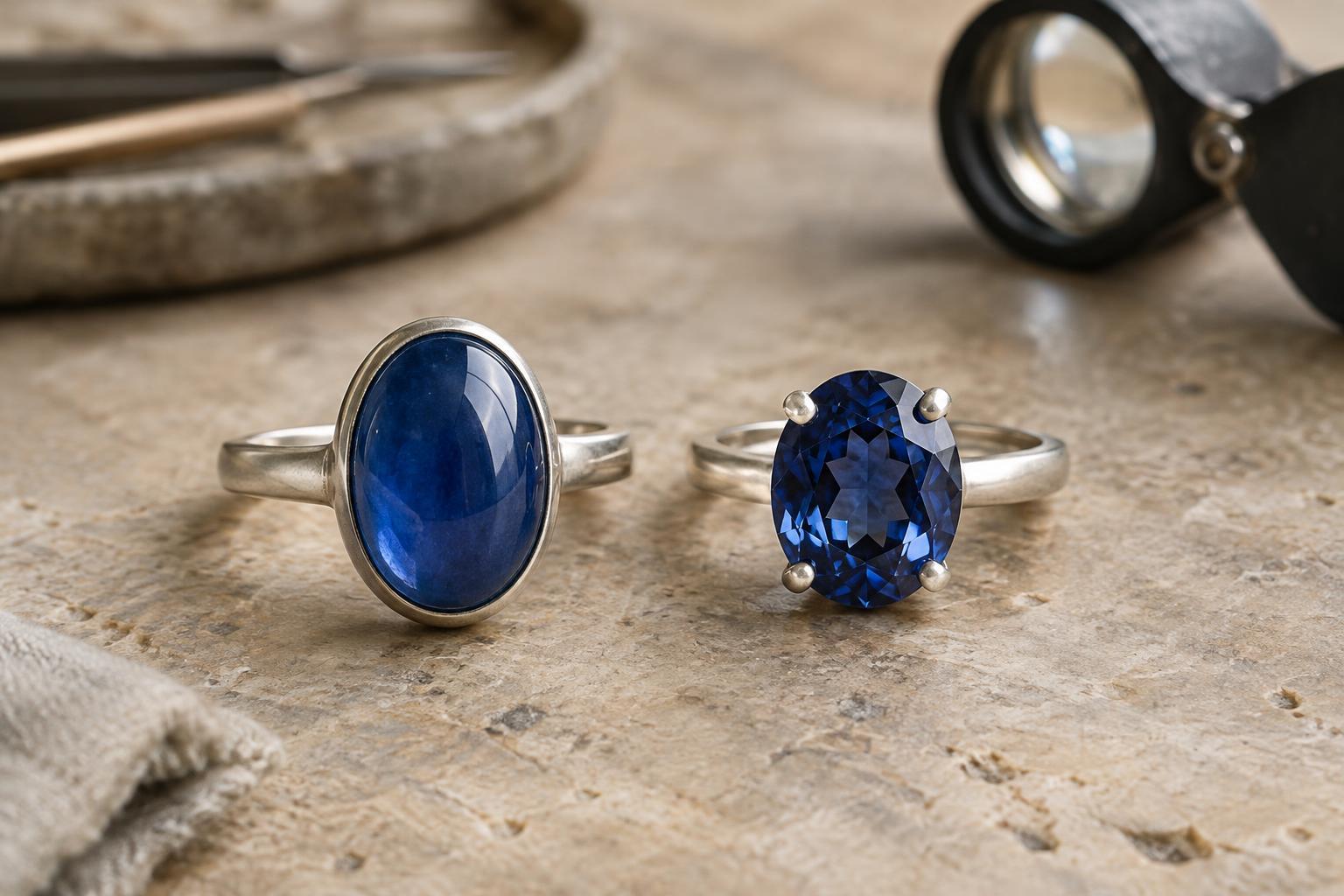
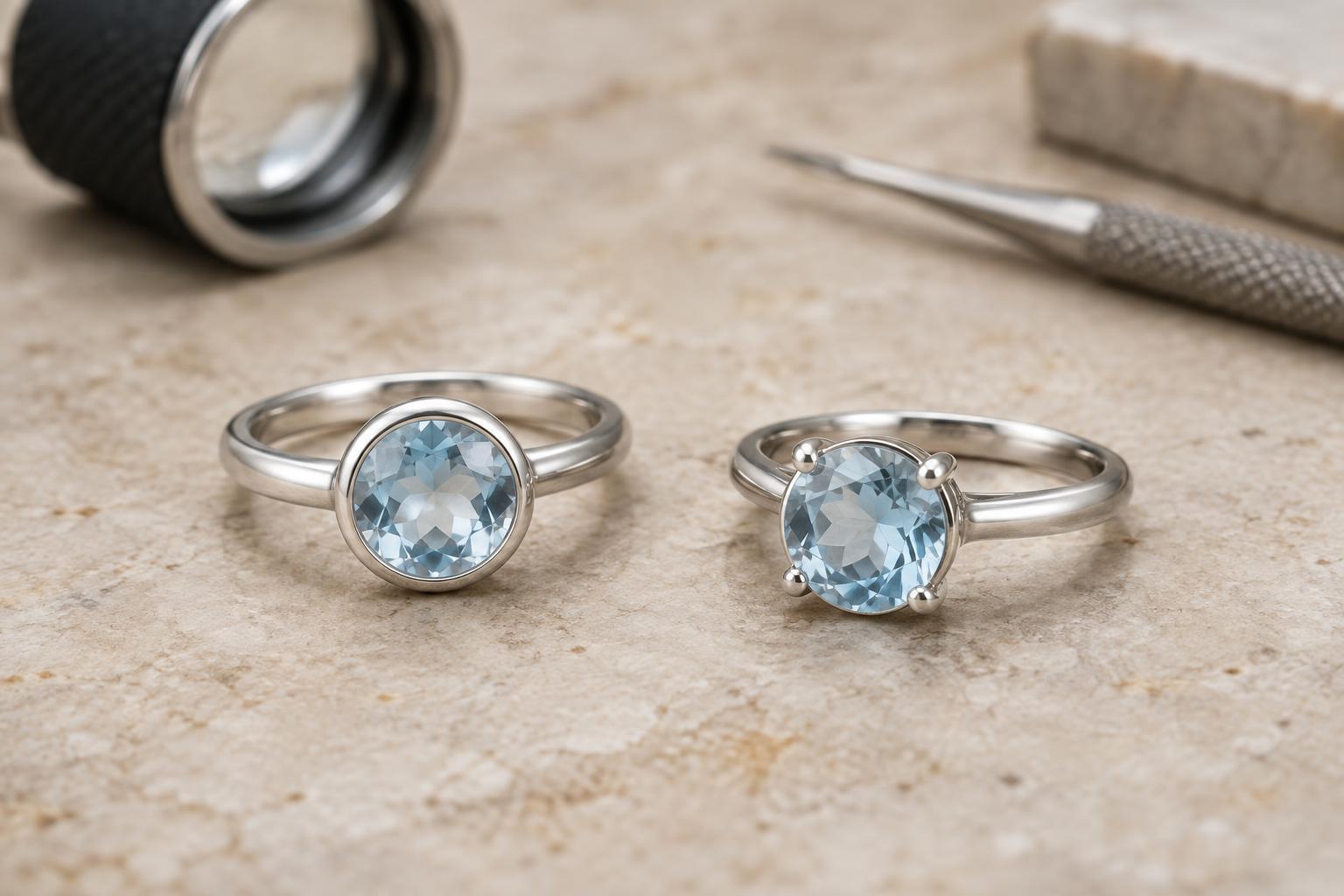
Jewellery and Decorative ArtsA bezel wraps a rim of metal around a stone’s edge; prongs use small metal tips to grip it at several points. Learn how these settings are made, what details to inspect, and how their construction affects wear and care.
Read article · 4 min↗
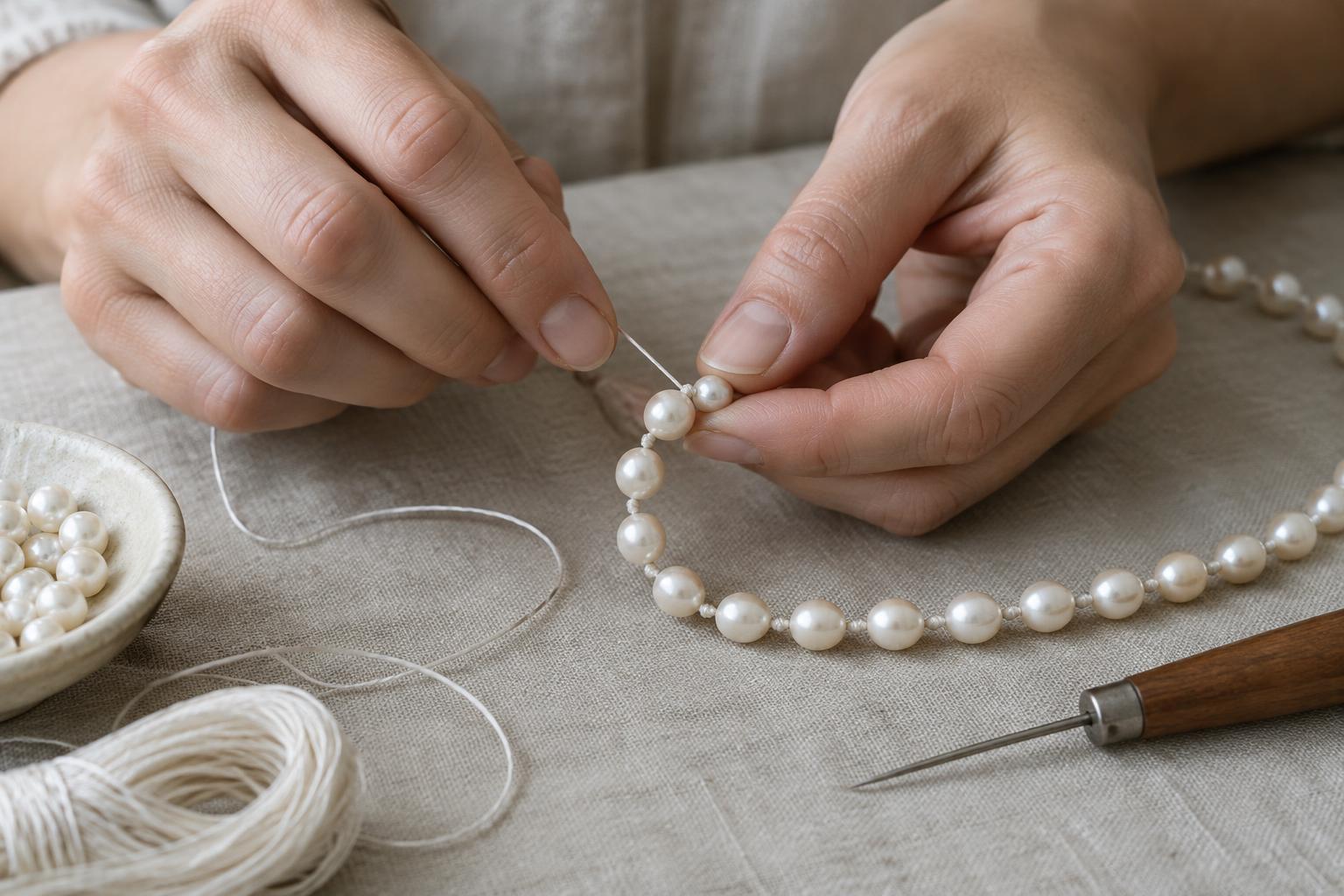
Jewellery and Decorative ArtsKnots between beads can soften a strand’s drape, reduce contact between delicate surfaces and help limit bead loss if the thread breaks. Learn when knotting makes sense, how to place each knot and what to check before wearing a finished strand.
Read article · 4 min↗
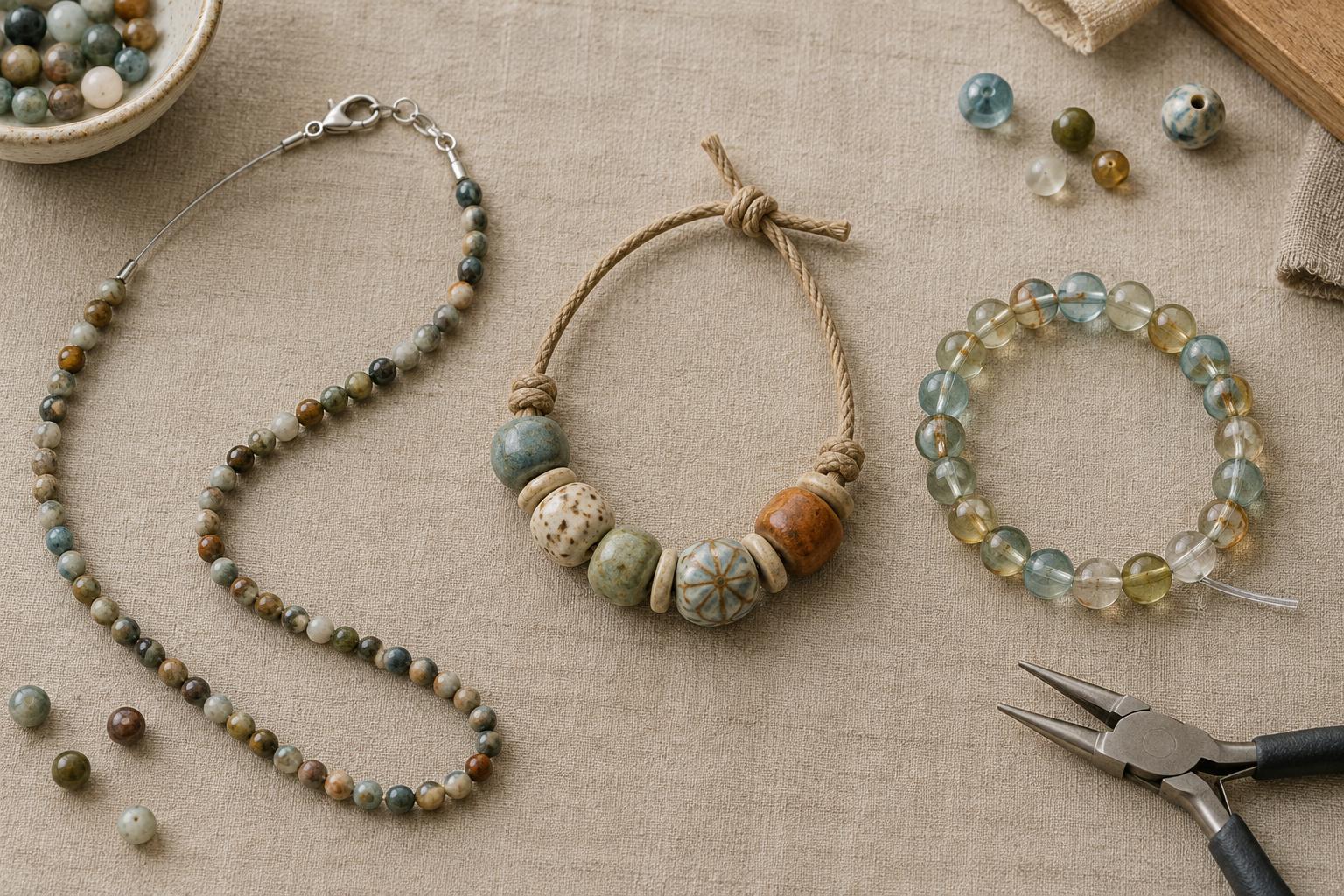
Jewellery and Decorative ArtsThe material inside a beaded piece affects how it hangs, fastens and wears. Learn when to choose coated beading wire, cord or elastic, and how bead holes, weight and finishing details shape the decision.
Read article · 4 min↗
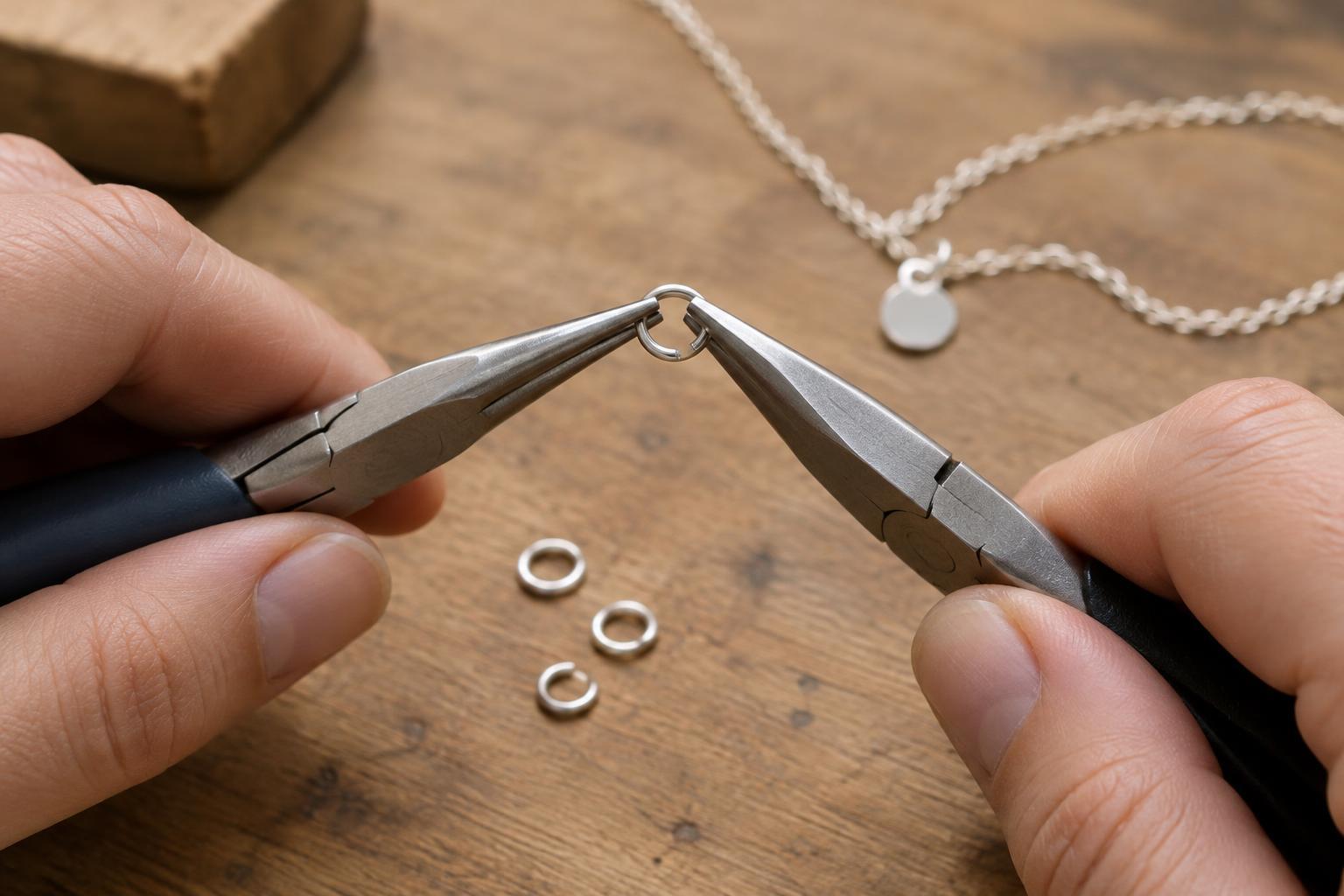
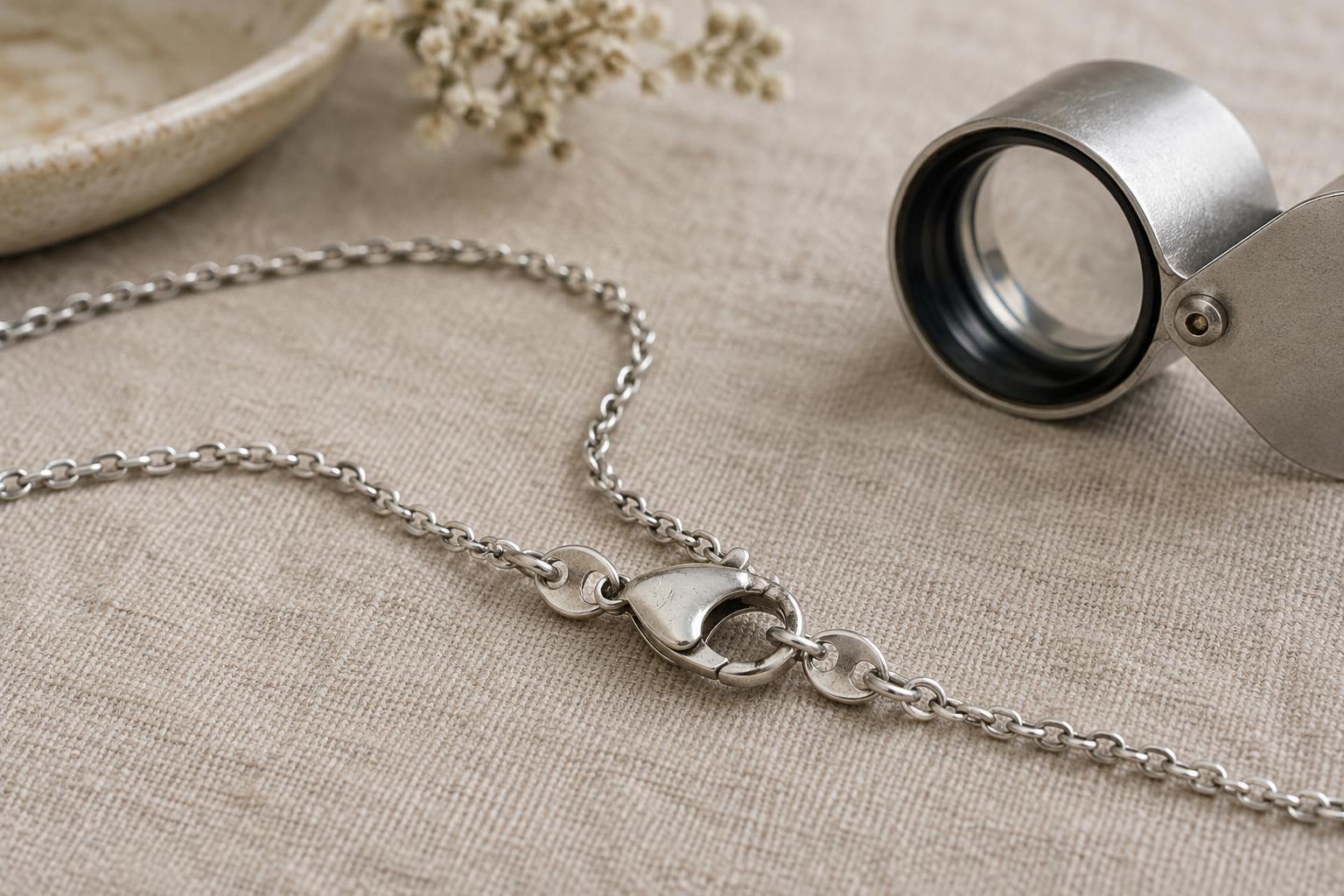
Jewellery and Decorative ArtsA jump ring may be small, but the way it is opened and closed affects how securely it holds a clasp, charm or decorative component. Learn the sideways-twist method, how to check the seam and when a ring should be replaced rather than reused.
Read article · 4 min↗
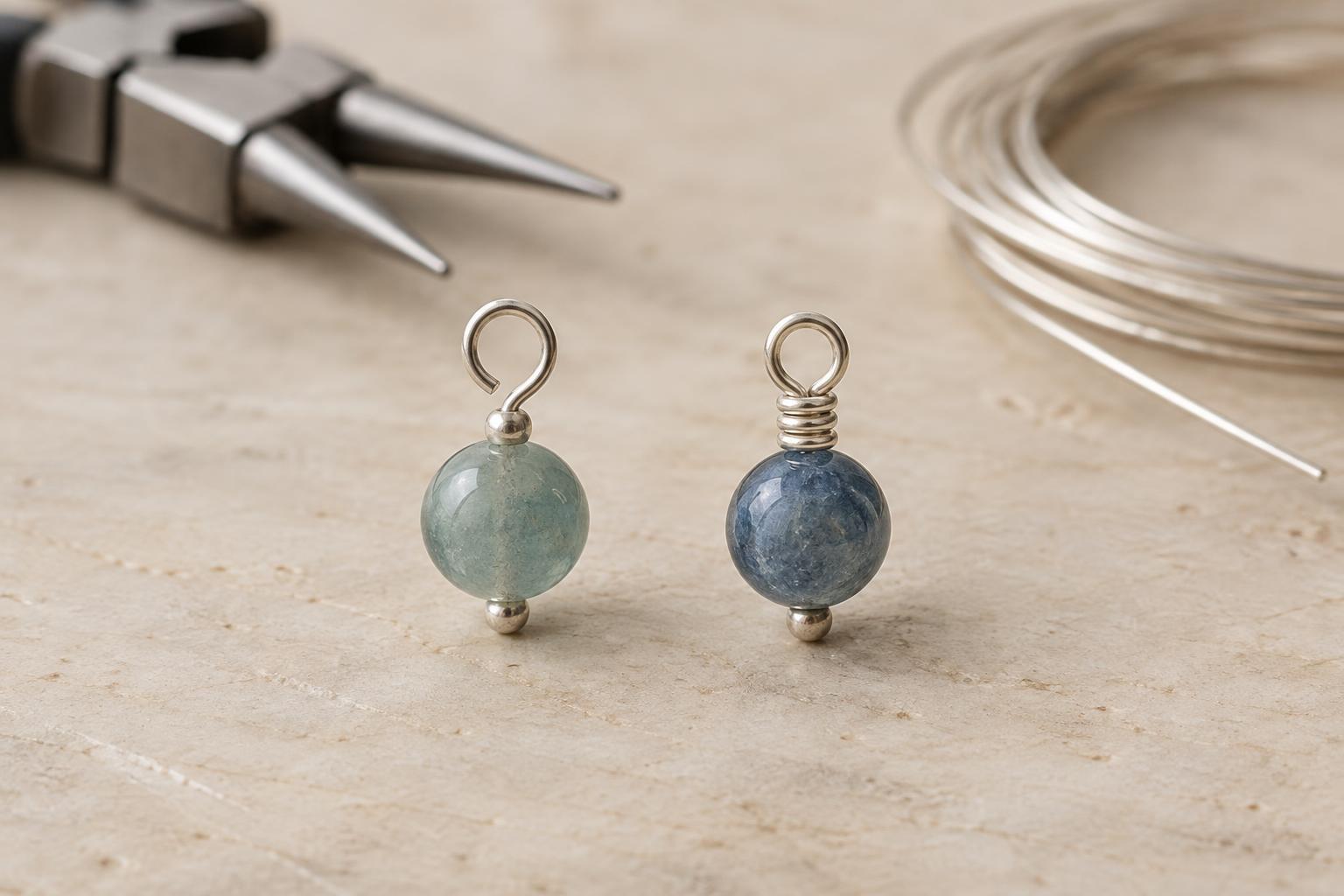
Jewellery and Decorative ArtsSimple loops and wrapped loops can look similar at a glance, but they connect jewellery components in different ways. Learn how each is made, where it works well, and what to check when examining a finished piece.
Read article · 4 min↗
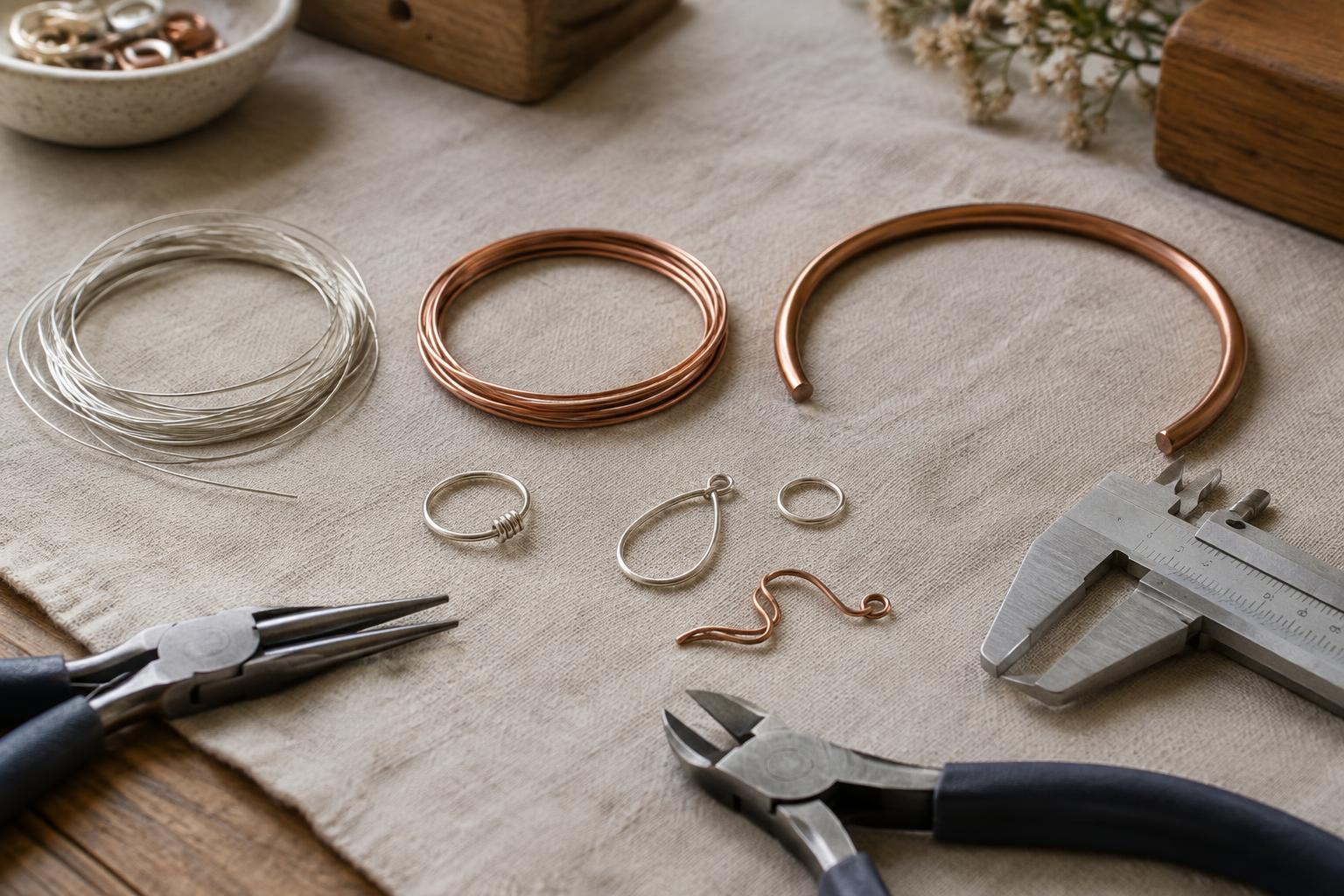
Jewellery and Decorative ArtsWire thickness and hardness affect how a jewellery piece bends, holds its shape and wears over time. Learn how to compare gauges and tempers, then choose wire for common decorative and structural tasks.
Read article · 4 min↗
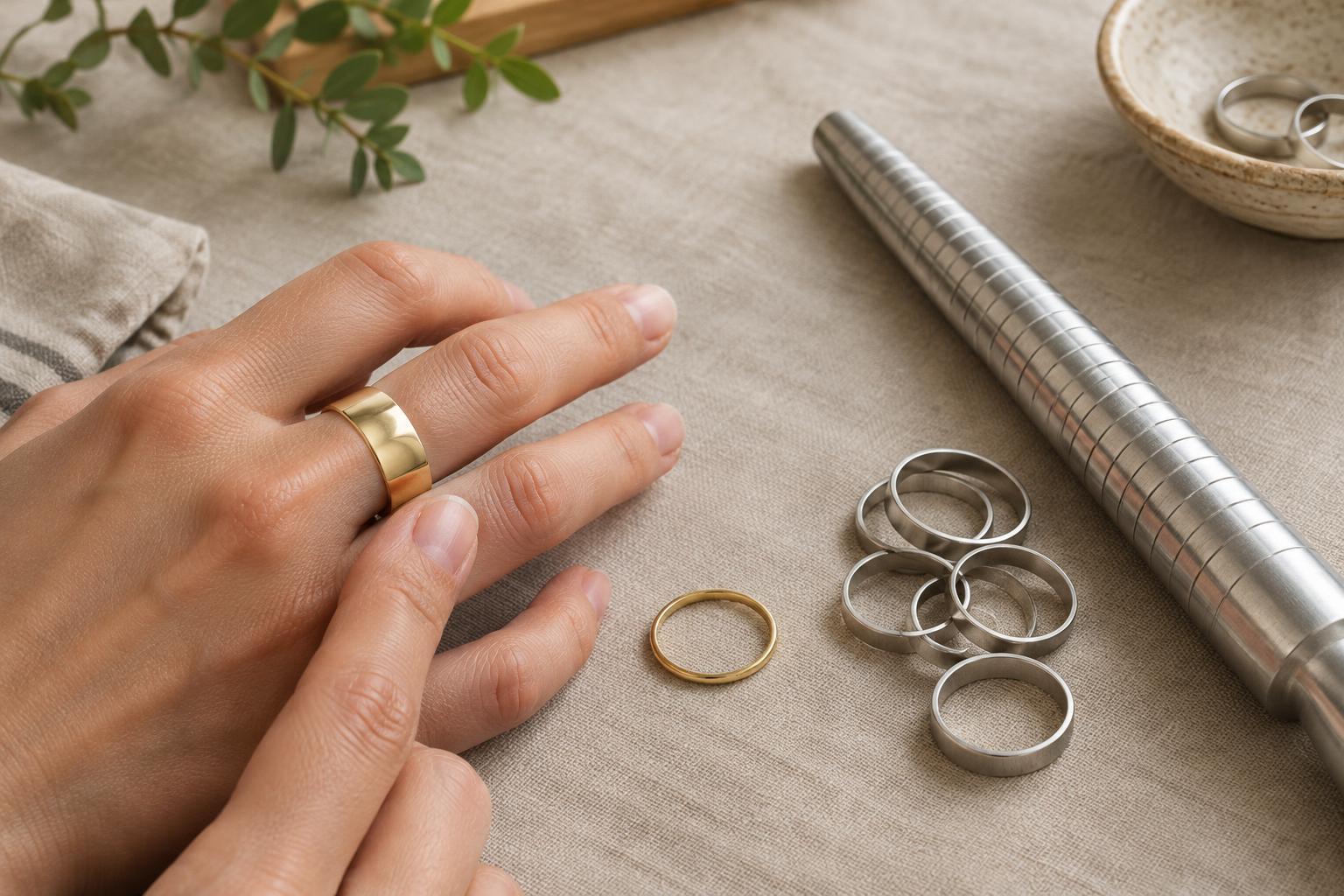
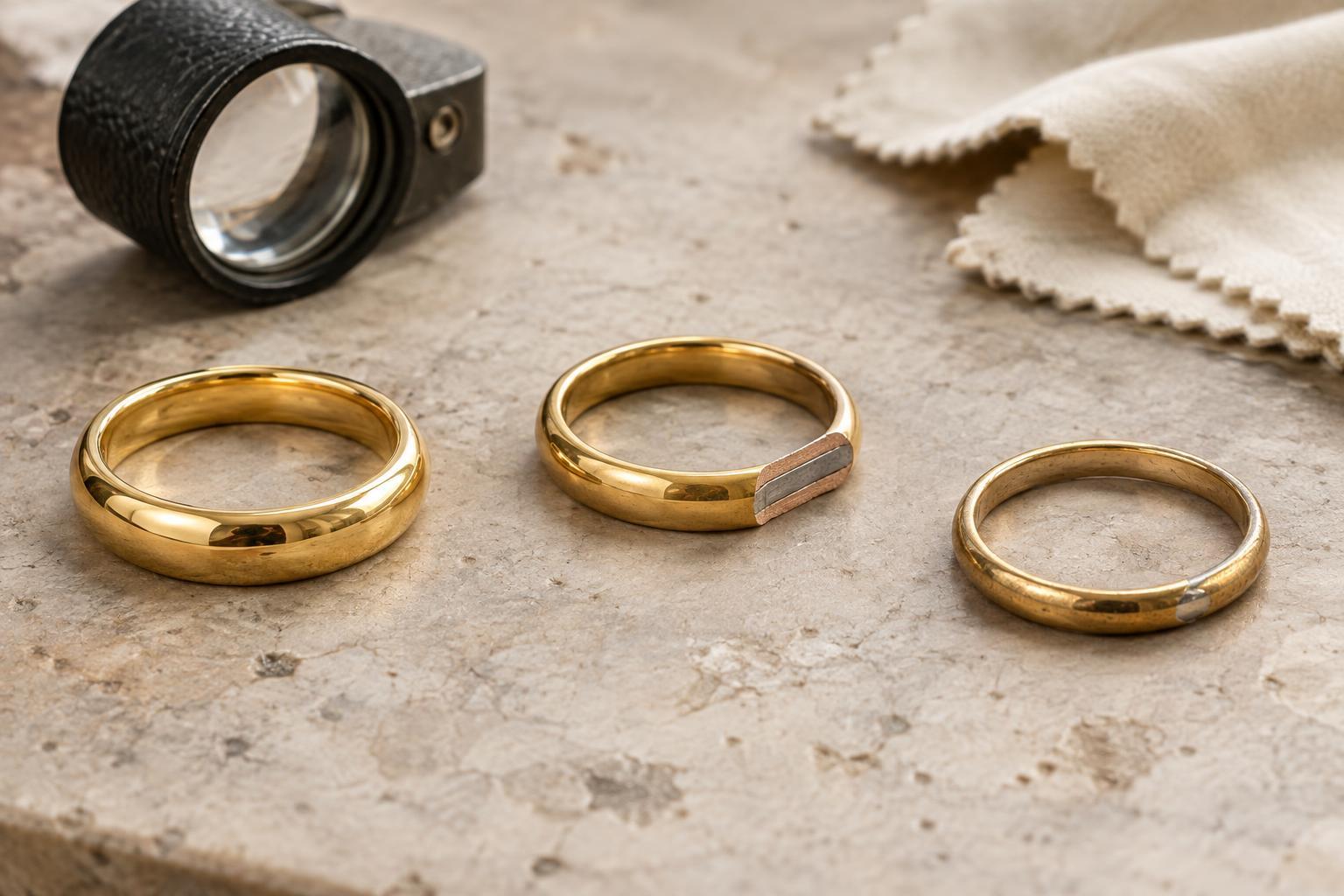
Jewellery and Decorative ArtsA ring should pass over the knuckle without a struggle and sit comfortably at the base of the finger. Learn how to measure a finger or an existing ring, why a wide band can feel tighter, and what to check before choosing a size.
Read article · 4 min↗
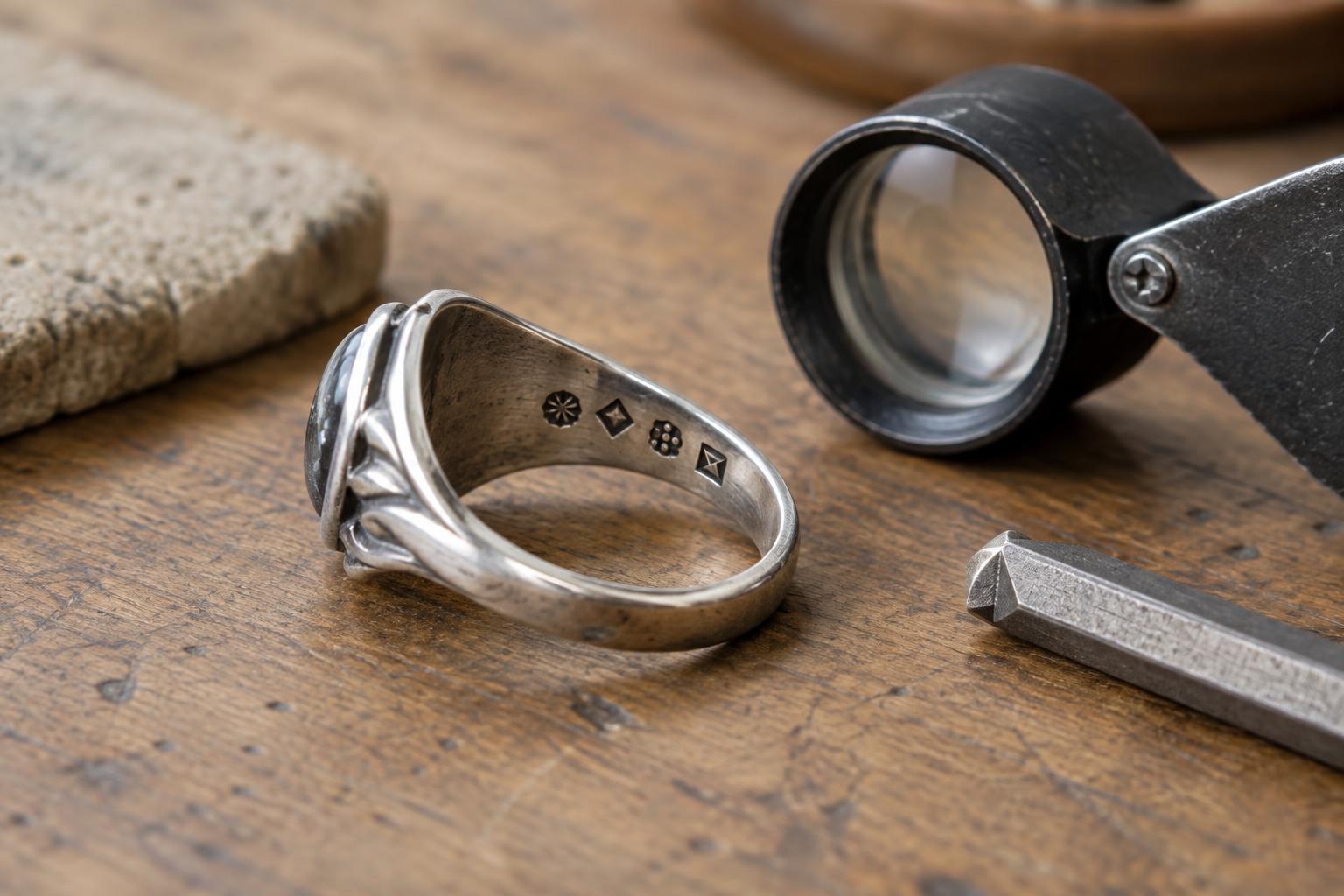
Jewellery and Decorative ArtsA small impression on jewellery can offer a useful clue, but it rarely tells the whole story. Learn how to distinguish marks relating to metal content, maker identity and decoration—and how to read them alongside the object’s construction.
Read article · 4 min↗