Start with the threads that cross
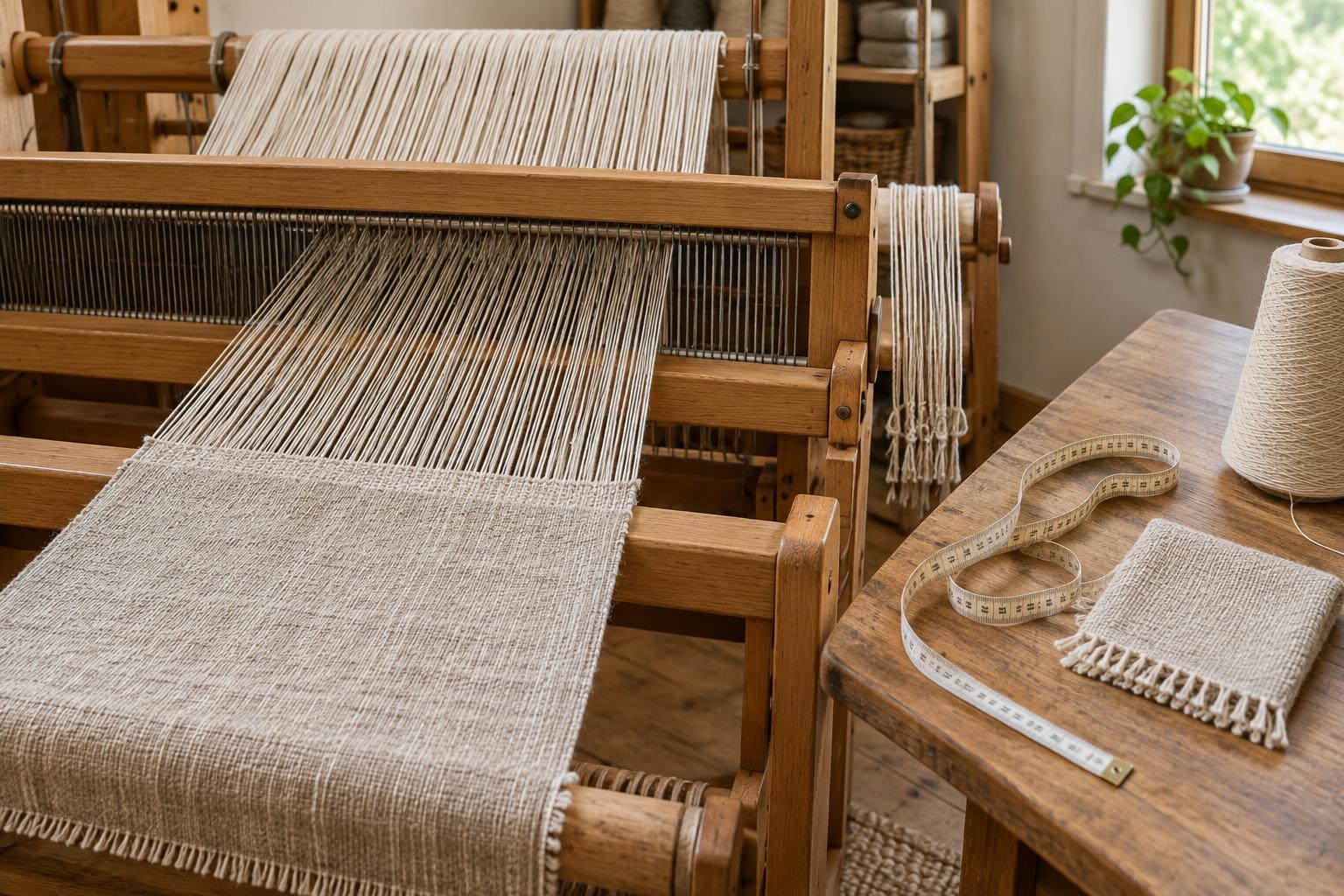
Woven cloth is made when two sets of threads cross one another. The warp runs lengthwise through the cloth, while the weft passes across its width. Where they interlace, the threads hold together as fabric. Remembering these two directions provides a useful starting point for looking at anything from a table runner to a jacket lining.
The terms describe a thread’s position in the weave, not its fibre. Cotton, linen, wool and other fibres can all be used for warp or weft. The two sets of threads may look alike, or they may differ in colour, thickness or texture. Those choices, along with the way the threads cross, help determine how a cloth looks and feels.
Warp: the lengthwise foundation
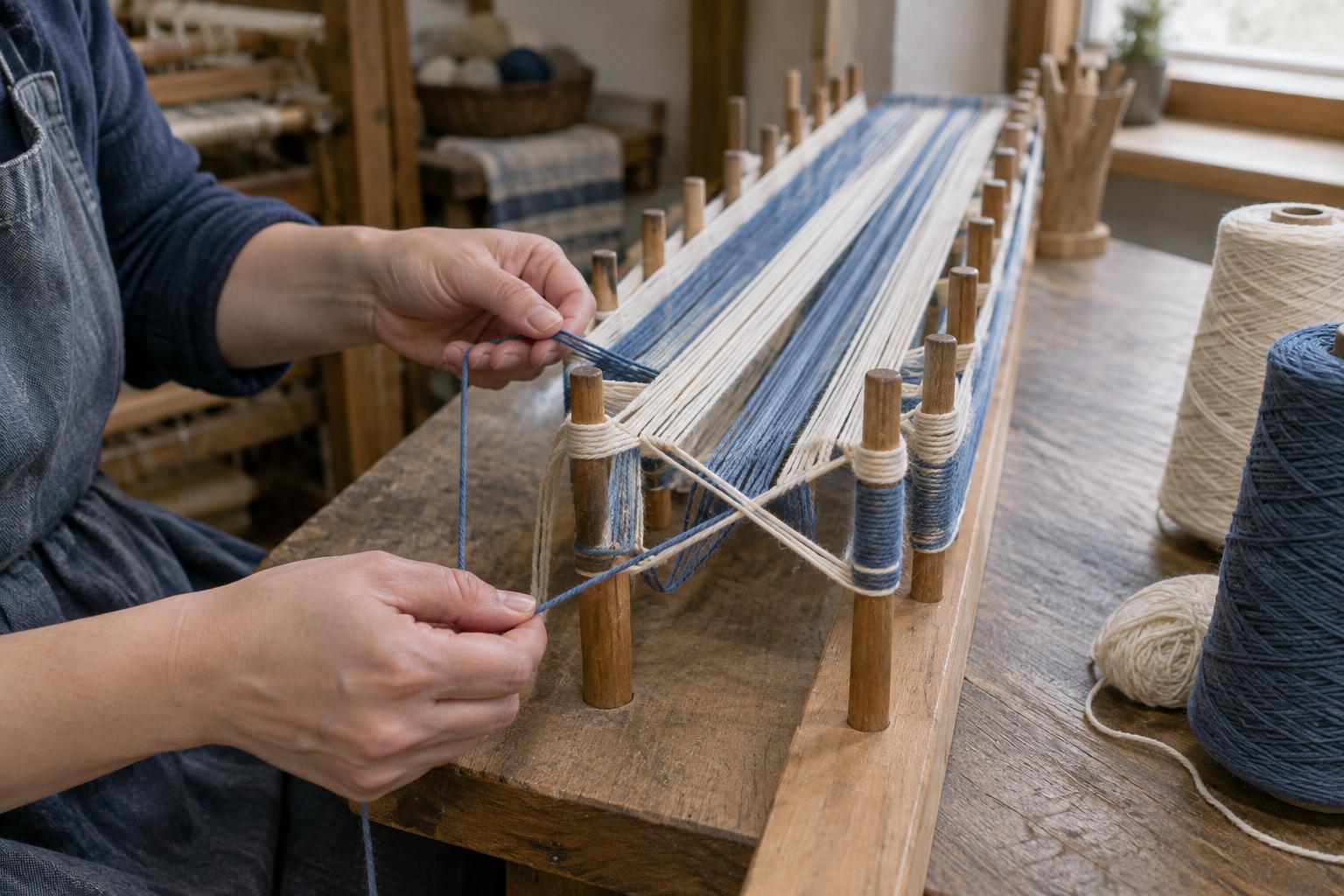
On a loom, warp threads are arranged side by side and held under tension. The weaver raises and lowers selected warp threads to create a space for the weft to pass through. Because the warp must withstand this repeated movement and tension, yarn choice and preparation matter. A delicate yarn can still be used in the warp, but it may need particular care in the weaving process.
In a piece of cloth with its original side edges intact, the warp runs parallel to those edges. This is often called the lengthwise grain. Knowing its direction can help when cutting and sewing: fabric may hang or resist stretching differently along the warp than it does across the weft. The difference varies with the yarns and weave, so it is worth handling the actual cloth rather than assuming every fabric will behave alike.
Weft: the thread that travels across
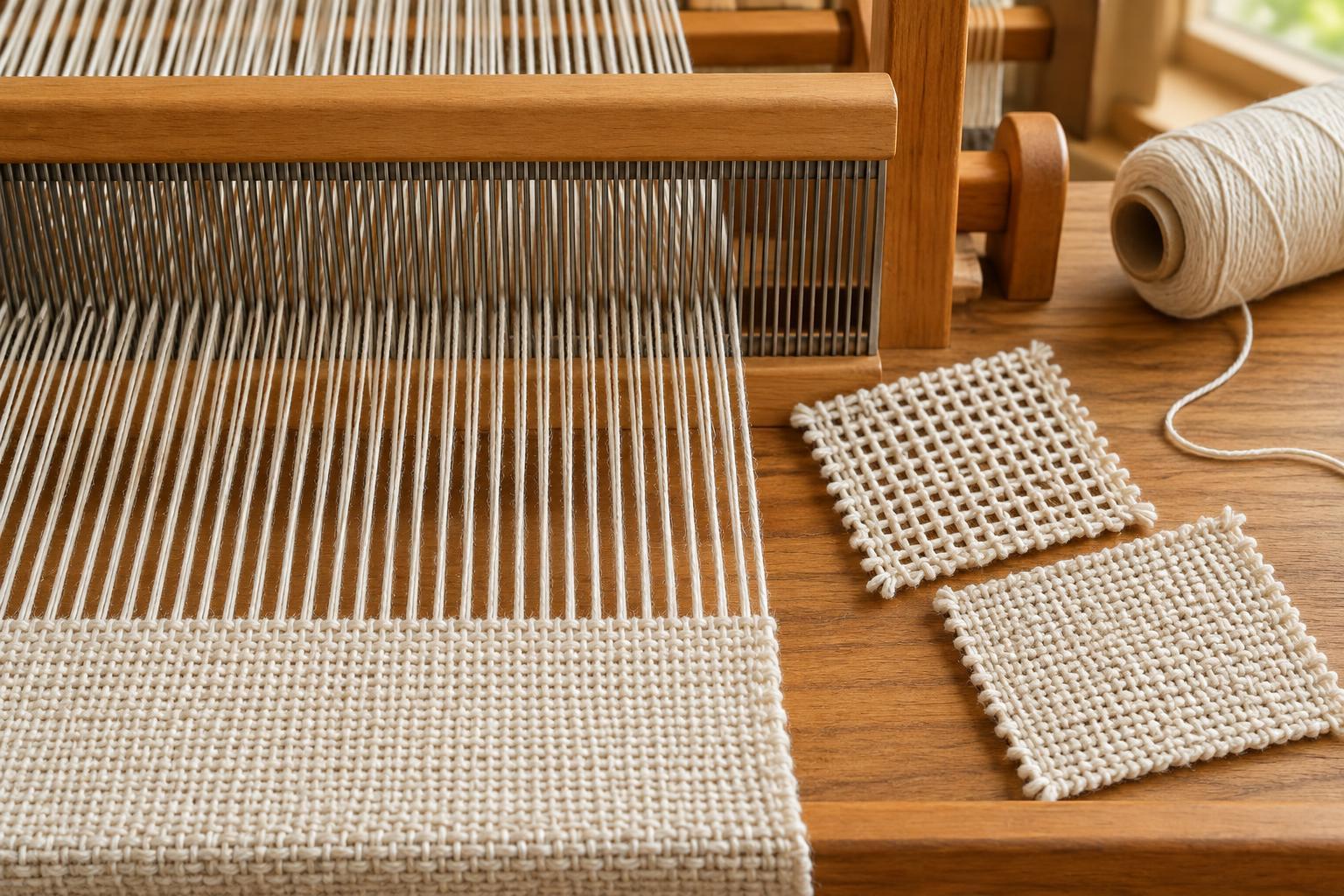
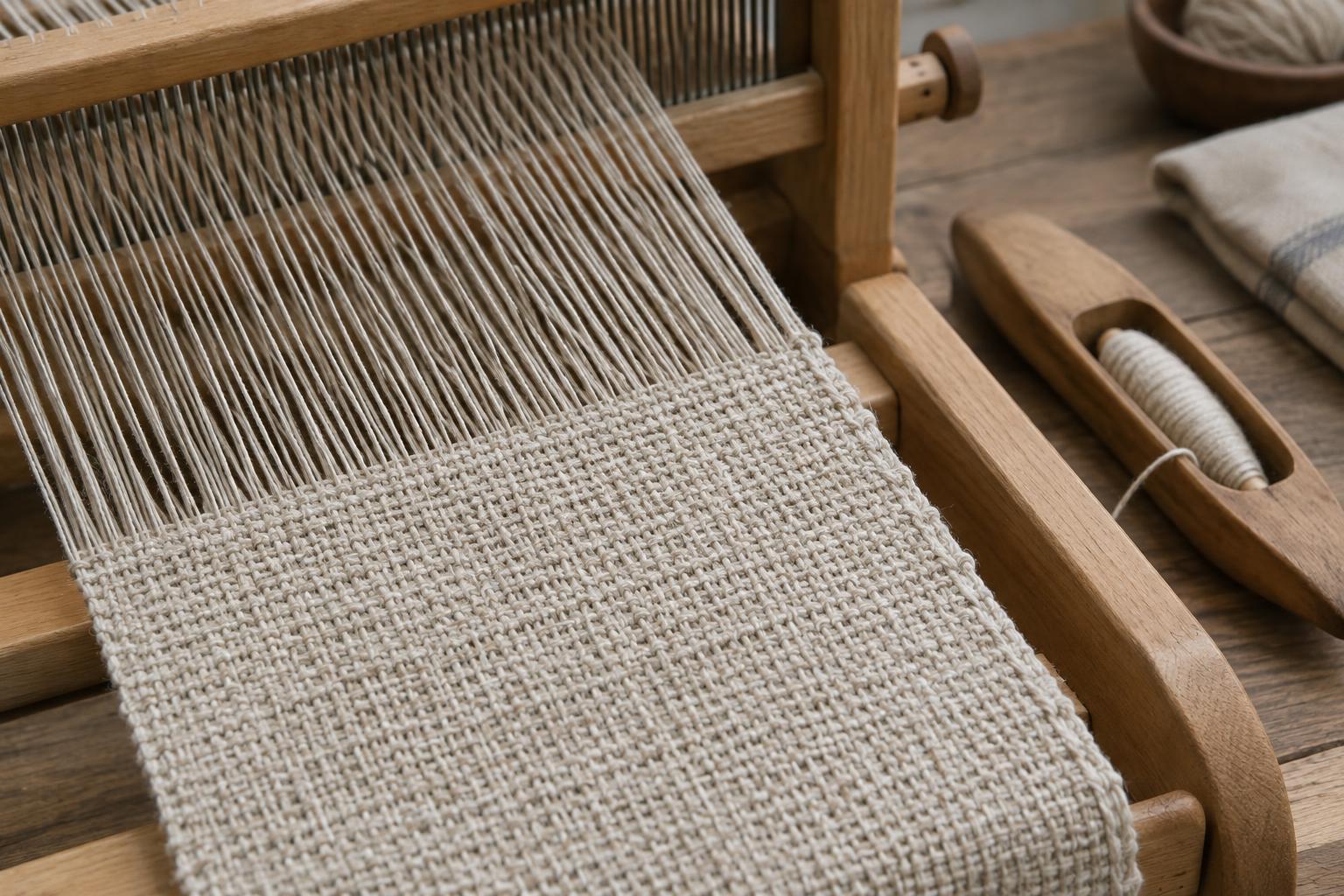
The weft passes over and under warp threads, travelling from one side of the cloth to the other. Each passage adds a row of weaving. In plain weave, the crossings alternate in a simple over-one, under-one pattern, with the next row reversing that order. Other arrangements create different surfaces: twills often show diagonal lines, while longer stretches of exposed thread, called floats, can give a weave a smoother appearance.
The weft runs across the fabric’s width, on what is often called the crosswise grain. It may be packed closely for a firm cloth or spaced to leave a more open structure. A decorative weft can also contribute prominent stripes or texture. When examining woven fabric, look at several points rather than a single thread: changes in colour or pattern can make one direction easier to spot than the other.
Selvedge: the edge made during weaving
A selvedge is a finished side edge formed as the weft turns at the edge of the warp and heads back across the cloth, or is otherwise secured as part of the weaving process. Selvedges run in the same direction as the warp. Unlike a freshly cut edge, a sound selvedge generally resists unravelling without needing a separate seam finish.
Selvedges are useful clues, but they are not always tidy or identical. One may be firmer than the body of the fabric; another may show a different colour or thread arrangement. Their appearance depends on the loom, yarns and edge construction. A narrow, tight selvedge can make fabric lie unevenly, so a maker may choose to trim it away before sewing. A hem, by contrast, is made by folding and securing an edge after the cloth has been woven.
Use the structure to read and care for cloth
To identify the three parts on a fabric sample, first look for two original, uncut side edges. If they are present, they are likely the selvedges; the warp runs alongside them, and the weft runs between them. If every edge has been cut or sewn into a finished object, direction can be harder to determine. Follow visible threads through the weave where possible, and avoid treating a stripe or printed line as proof of grain direction.
Thread direction also helps explain how cloth moves. A pull along the warp or weft acts differently from a pull on the diagonal, known as the bias, which often has more give. When cleaning or repairing a woven object, support areas with loose threads and avoid tugging a damaged edge. Check any available care information before washing, and test an uncertain cleaning method on an inconspicuous area. Understanding the structure will not answer every care question, but it gives you a better way to inspect the cloth before acting.