Two ways of connecting yarn
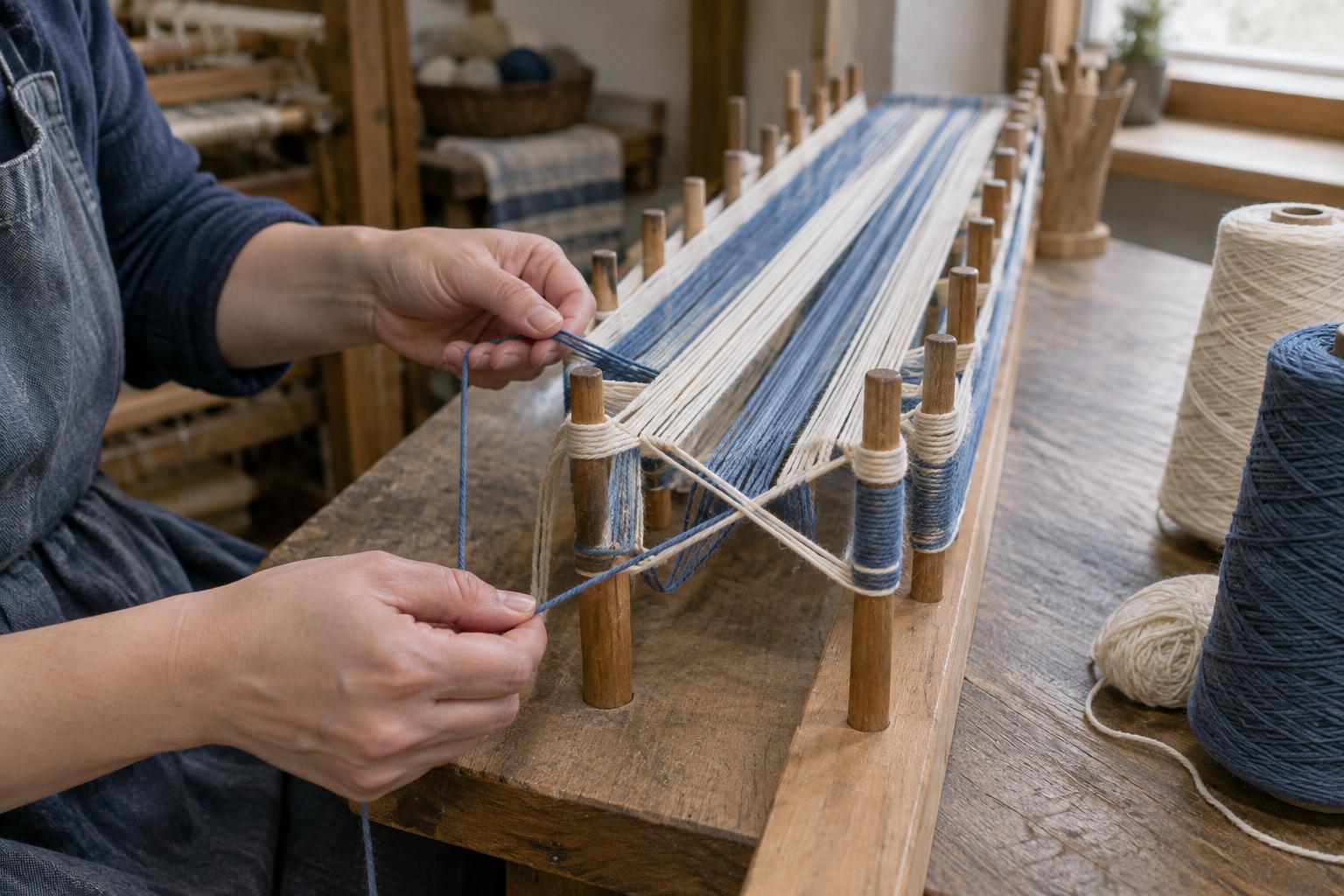
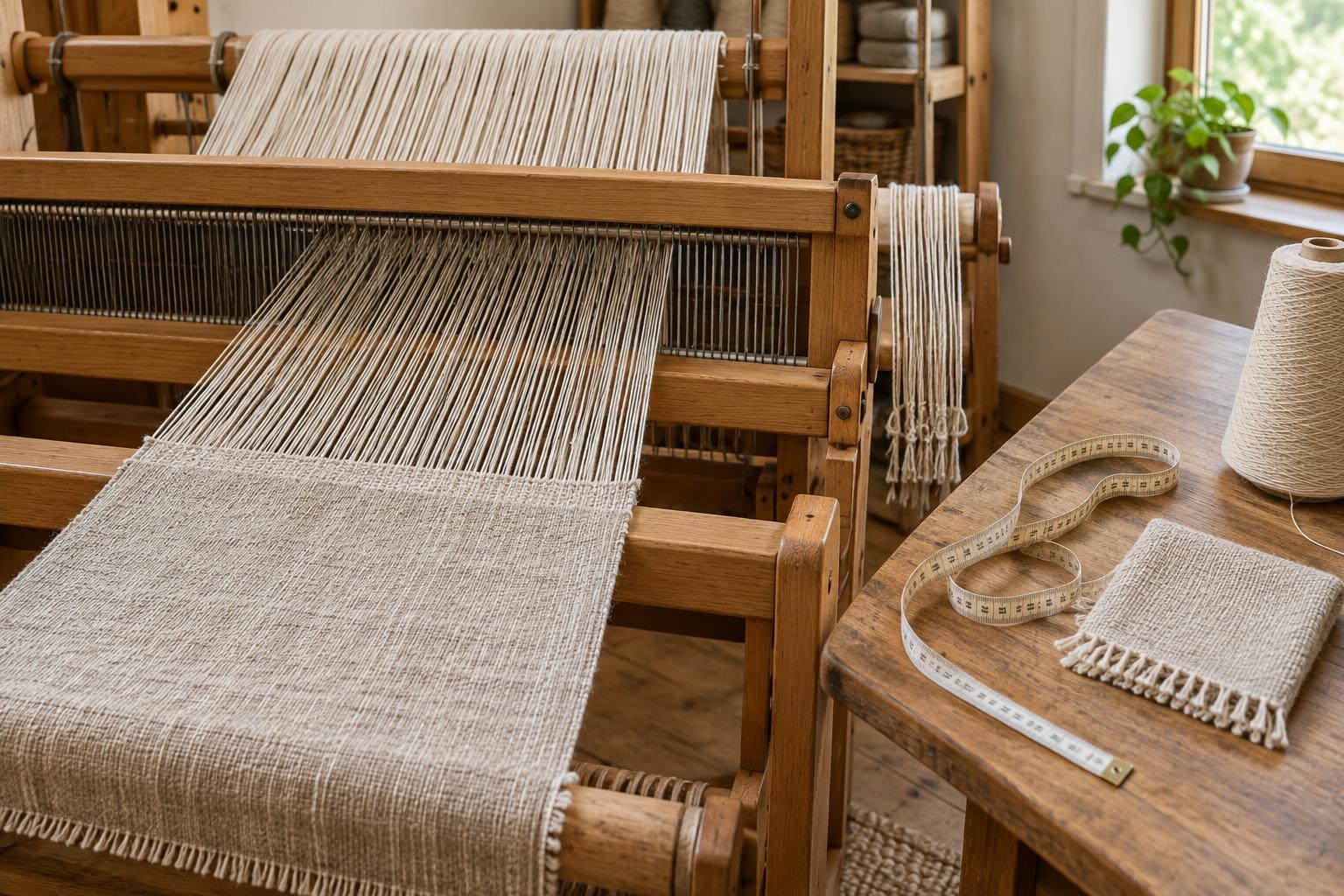
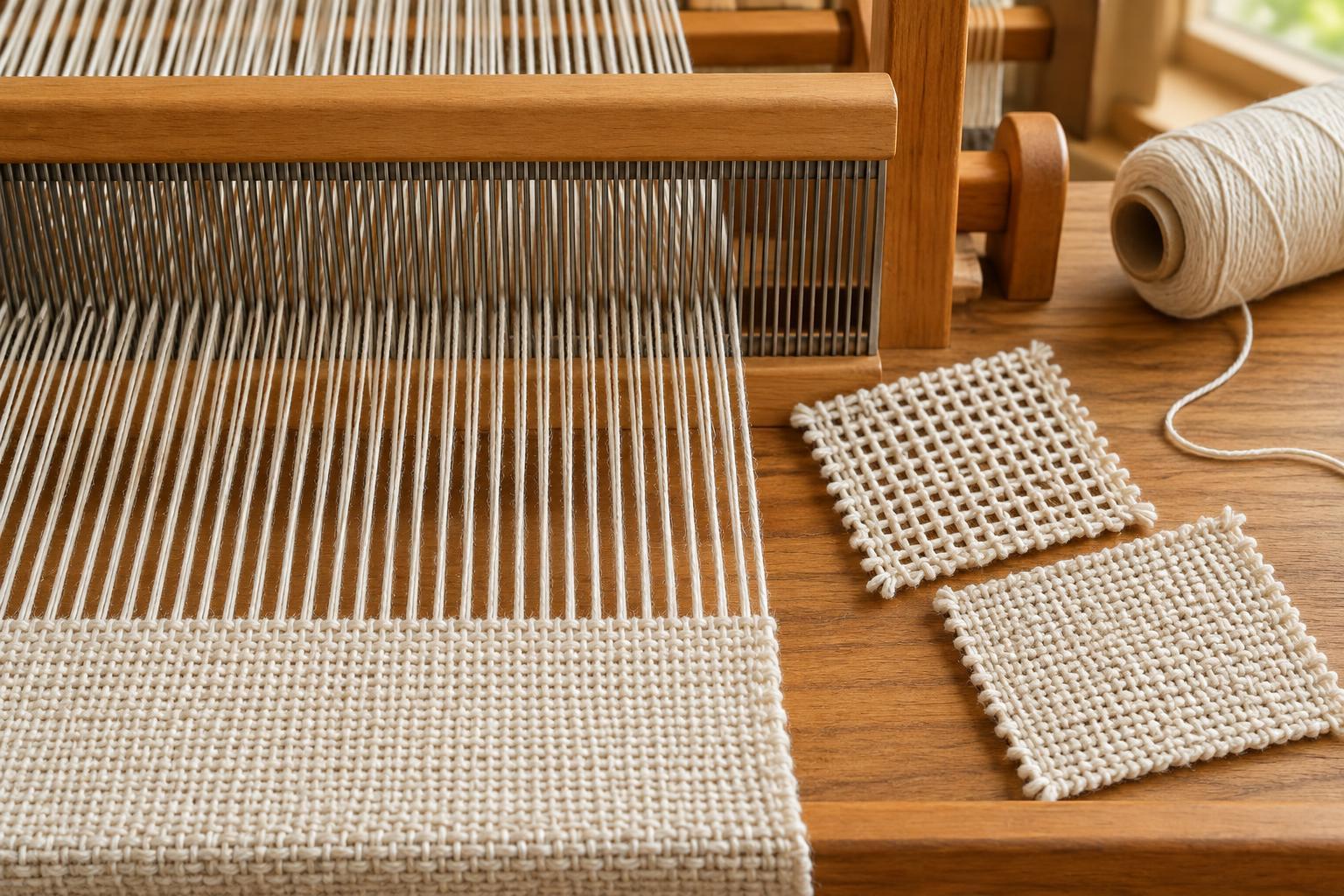
A woven fabric is made by passing one set of yarns over and under another. The lengthwise yarns are called the warp, and the crosswise yarns are the weft. Their crossings hold the fabric together. In a simple plain weave, each weft yarn passes alternately over and under warp yarns. Other weaves change that pattern, producing surfaces and movement that can look and feel quite different.
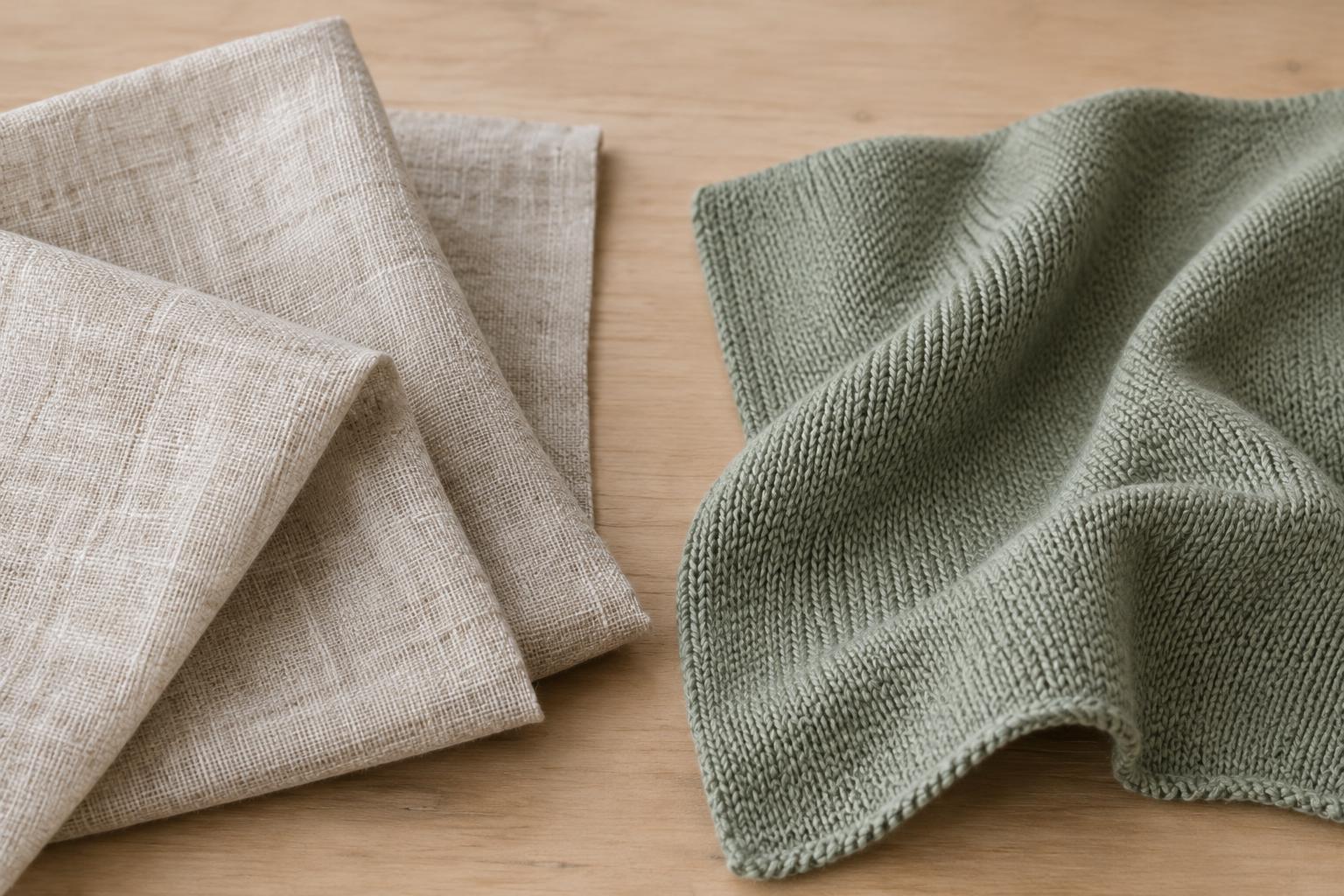
A knitted fabric is built from connected loops. In weft knitting, a yarn forms loops across a row, and each new row connects to the one before it. This is the structure found in many T-shirts and hand-knitted garments. Warp knitting also uses loops, but its yarns run primarily lengthwise. Neither woven nor knitted describes a particular fibre: cotton, wool and synthetic yarns can be used in either structure.
Why knitted fabric often stretches more
When you pull a typical knit, its loops can change shape and draw yarn from neighbouring parts of the structure. The fabric may extend even if the yarn itself has little stretch. When released, the loops tend to settle back, although how fully they recover depends on the yarn, knit construction, finishing and wear. A soft jersey may stretch readily across its width while behaving differently along its length.
In a conventional woven fabric, straight warp and weft yarns have less room to rearrange when pulled along either yarn direction. That usually makes the fabric more dimensionally stable. Pull it diagonally, however, and the angle between the yarns can shift. This diagonal direction, known as the bias, often has more give and can curve around the body. Elastic fibres or a loose weave can add further stretch, so structure is a guide rather than a guarantee.
How structure changes drape
Drape is the way fabric hangs, folds and moves under its own weight. A fabric that bends easily forms soft folds and follows curves; a stiffer one holds a shape farther from the surface beneath it. Many knits fall close to the body because their loops can flex in several directions. This is useful in garments meant to move with the wearer, but it can also make a garment show the shape of seams or layers underneath.
Wovens offer a wide range of drape. A firm canvas may stand away from the body, while a fine, fluid weave may fall in soft folds. Cutting a woven fabric on the bias can produce a more flowing effect than cutting it along the warp or weft. Fibre, yarn thickness, fabric density, surface finish and added coatings all matter too. A heavy knit can feel more structured than a light woven fabric.
How to recognise the structure
Look closely at an exposed edge or an area where the yarns are easy to see. In a woven fabric, you can often trace two sets of yarns crossing at roughly right angles. A cut edge may fray as individual warp or weft yarns work loose. In many knits, the surface shows small V-shaped loops or horizontal ridges, and a cut edge may curl rather than fray in the same way. Dense textures and finishes can hide these clues.
A gentle stretch check can help when examining a fabric sample: compare its movement lengthwise, crosswise and diagonally without pulling hard enough to distort it. This is not a definitive test. Stretch yarns can make a woven fabric highly flexible, while a stable knit may barely move. If the fabric belongs to a finished object, inspect an inconspicuous area and avoid tugging on seams or delicate details.
Choose and care for fabric with its movement in mind
For a project, think about where you want give and where you want stability. A knit can make a comfortable, close-fitting sleeve without needing the same amount of shaping as a firm woven fabric. A woven fabric may better support a crisp pocket or structured collar. The pattern, seam construction and intended fit still need to suit the particular fabric; replacing a woven with a knit, or the reverse, is rarely a simple swap.
Movement also matters after an object is made. Knits can stretch out of shape if stored under their own weight, so folding a heavy knitted garment may help preserve its form. Wovens may develop creases along folds, especially when pressed into place. Before washing or pressing either type, check its care label when available and consider its fibre and finish. Understanding the structure helps explain its behaviour, but the whole textile determines how it should be handled.